
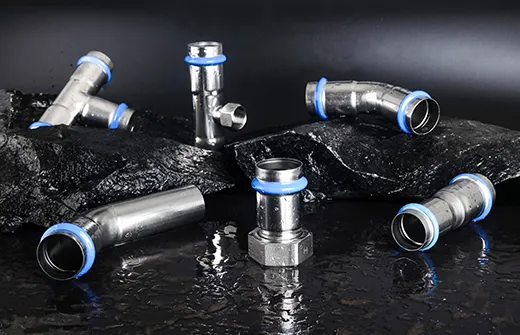
Key Maintenance Tips for Stainless Steel Tubes in Construction
Jul 01,2026
Key Maintenance Tips for Stainless Steel Tubes in Construction
Stainless steel tubes are integral to modern construction, offering remarkable strength, durability, and resistance to corrosion. However, even the most resilient materials require careful maintenance to ensure optimal performance and longevity. In this article, we delve into essential maintenance tips for stainless steel tubes used in construction, focusing on practical strategies that can prevent costly repairs and enhance durability.
Understanding Stainless Steel Tubes: A Brief Overview
Stainless steel tubes are favored in construction for their superior strength-to-weight ratio and aesthetic appeal. Composed primarily of iron, carbon, and chromium, stainless steel naturally resists rust and corrosion. This resistance makes it a popular choice for various applications, from structural supports to plumbing systems. Understanding the properties of stainless steel is crucial for effective maintenance practices.
The Importance of Maintenance for Stainless Steel Tubes
Regular maintenance is vital for several reasons, including:
1. **Preventing Corrosion**: Despite being corrosion-resistant, stainless steel can still corrode under certain conditions, such as exposure to chlorides or harsh chemicals.
2. **Ensuring Structural Integrity**: Over time, neglect can lead to structural weaknesses, which may compromise safety.
3. **Enhancing Aesthetics**: Stainless steel is often chosen for its polished appearance; regular cleaning maintains its shine.
4. **Extending Lifespan**: Proper maintenance can significantly increase the lifespan of stainless steel tubes, reducing replacement costs.
Top Maintenance Tips for Stainless Steel Tubes in Construction
1. Regular Cleaning: The First Line of Defense
Cleaning stainless steel tubes regularly is essential to maintain their appearance and performance. Here are some effective cleaning strategies:
Choosing the Right Cleaning Agents
It’s crucial to select appropriate cleaning agents that are non-abrasive and free from chlorine. Use mild detergents or specialized stainless steel cleaners that can effectively remove dirt and grime without damaging the surface.
Cleaning Techniques
- **Soft Cloth or Sponge**: Always use a soft cloth or sponge to clean the surface of stainless steel tubes. Avoid using steel wool or abrasive scrubbing pads, as they can scratch the surface.
- **Wipe in the Direction of the Grain**: Stainless steel has a grain, and wiping in the direction of this grain helps prevent scratches and enhances the shine.
2. Inspecting for Damage: Routine Checks
Periodic inspections are vital for identifying potential issues before they escalate. During inspections, look for:
- **Surface Scratches**: Check for scratches that could lead to corrosion.
- **Rust Spots**: While stainless steel is resistant to rust, it can still develop spots in extreme conditions.
- **Structural Integrity Issues**: Ensure there are no visible bends or deformations in the tubes.
3. Addressing Corrosion: Quick Response is Key
If corrosion is detected, it’s essential to act quickly. Here’s how to address it:
Remove Corrosion
Use a non-abrasive scrubber and a suitable cleaning agent to remove any spots of corrosion. For more severe cases, professional-grade cleaning solutions may be necessary.
Apply Passivation Treatments
After cleaning, consider applying a passivation treatment to enhance corrosion resistance. Passivation involves treating the stainless steel with acid solutions to remove surface contaminants and improve its resistance to corrosion.
4. Environmental Considerations: Protecting Your Tubes
The environment plays a significant role in the maintenance of stainless steel tubes. Here are important factors to consider:
Avoiding Harsh Chemicals
In construction sites, exposure to harsh chemicals can accelerate corrosion. Ensure that any chemicals used nearby are compatible with stainless steel.
Managing Humidity and Temperature
High humidity levels can increase the risk of corrosion. If possible, store stainless steel tubes in a controlled environment to minimize exposure to moisture.
5. Storage and Handling: Best Practices
Proper storage and handling of stainless steel tubes can prevent damage and maintain their integrity.
Storing Tubes Correctly
- **Vertical Storage**: Store stainless steel tubes vertically in a dry area to prevent bending and to minimize surface contact with the ground.
- **Protective Covers**: Use protective covers to shield the tubes from environmental factors, such as moisture and contaminants.
Handling with Care
When transporting or handling stainless steel tubes, avoid dragging them across rough surfaces. Use padded straps or slings to lift and move the tubes, ensuring minimal contact with abrasive materials.
6. Utilizing Coatings: Enhanced Protection
Applying protective coatings can significantly enhance the durability of stainless steel tubes. Consider:
Using Anti-Corrosion Coatings
Anti-corrosion coatings can provide an extra layer of protection against environmental factors. These coatings should be specifically designed for stainless steel applications.
Regular Reapplication
Ensure that protective coatings are reapplied as recommended to maintain their effectiveness.
7. Professional Maintenance Services: When to Call for Help
While many maintenance tasks can be performed in-house, there are times when professional help is necessary:
- **Severe Corrosion Issues**: If corrosion is extensive, professional cleaning and treatment may be required.
- **Structural Evaluations**: Hiring a structural engineer to assess the integrity of stainless steel tubes can provide peace of mind and ensure safety.
8. Training Staff: Empowering Your Team
Educating your construction team about proper maintenance techniques is crucial. Consider implementing training sessions that cover:
- **Cleaning Protocols**: Teach staff about the best cleaning practices and the importance of regular maintenance.
- **Inspection Training**: Provide guidance on how to conduct thorough inspections and identify potential issues early.
FAQs About Maintenance of Stainless Steel Tubes in Construction
1. How often should stainless steel tubes be cleaned?
Regular cleaning should be conducted every few months, with more frequent cleaning recommended if the tubes are exposed to harsh environments or contaminants.
2. Can I use bleach to clean stainless steel tubes?
No, bleach and chlorine-based cleaners can cause pitting and corrosion on stainless steel surfaces. It’s best to use mild detergents or specialized stainless steel cleaners.
3. What should I do if I notice rust on my stainless steel tubes?
If rust is detected, clean the affected area immediately using a non-abrasive scrubber and a suitable cleaning agent. If the rust is extensive, consider seeking professional help.
4. Are protective coatings necessary for stainless steel tubes?
While stainless steel is naturally resistant to corrosion, protective coatings can enhance durability and provide extra protection against environmental factors.
5. How can I ensure my stainless steel tubes last longer?
Regular cleaning, inspections, and addressing any issues promptly are key to ensuring the longevity of stainless steel tubes. Additionally, proper storage and handling practices can prevent damage.
Conclusion
Maintaining stainless steel tubes in construction is essential for ensuring their longevity and performance. By implementing regular cleaning, routine inspections, and protective measures, construction professionals can significantly enhance the durability of these critical components. Proper training for staff and awareness of environmental factors further contribute to the effective maintenance of stainless steel tubes. By following these key maintenance tips, you can ensure that your stainless steel tubes remain in optimal condition, minimizing repairs and maximizing their lifespan.
Latest News

Contact Information
Mobile/WeChat: +8613396691363
WhatsApp: +8613396691363
E-mail: warrior.wang@zjipcpiping.com
Address:Floor 47, Building A, International Trade Center, Ningbo Chamber of Commerce, No.558 of Taikangzhong Road, Yinzhou District, Ningbo, 315100 China
Follow Us on


SAF Coolest v1.3.1.1 设置面板 JPMSX-AVEW-UZZVE-ZSA
违禁词: 第一,最,一流,领先,独一无二,王者,龙头,领导者,极致,
无数据提示
Sorry, the current column is being updated, please stay tuned!
You can view other columns or return to the HOME