
The Role of Slip Couplers in Enhancing Pipe Systems: A Comprehensive Guide
Jun 25,2026
The Role of Slip Couplers in Enhancing Pipe Systems
Piping systems are fundamental to various applications, including construction, plumbing, and industrial processes. The effectiveness of these systems largely depends on the quality and functionality of the components used, particularly couplers. Among these, **slip couplers** have gained recognition for their ability to enhance pipe integrity and performance. This article delves deep into the role of slip couplers, their applications, advantages, installation processes, and their comparative effectiveness against other types of couplers.
Table of Contents
- Understanding Slip Couplers
- Benefits of Slip Couplers in Pipe Systems
- Applications of Slip Couplers in Construction
- Installation Techniques for Slip Couplers
- Comparing Slip Couplers with Other Couplers
- Maintenance and Care for Slip Couplers
- Common Issues and Solutions with Slip Couplers
- Conclusion
- FAQs
Understanding Slip Couplers
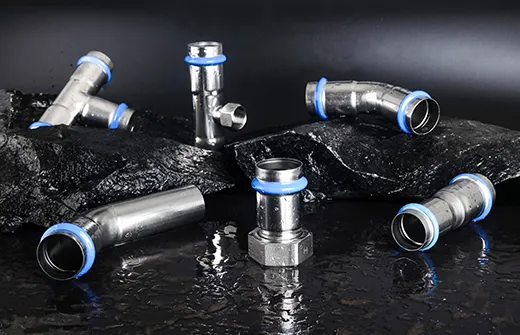
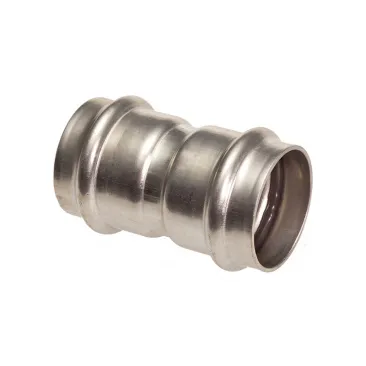
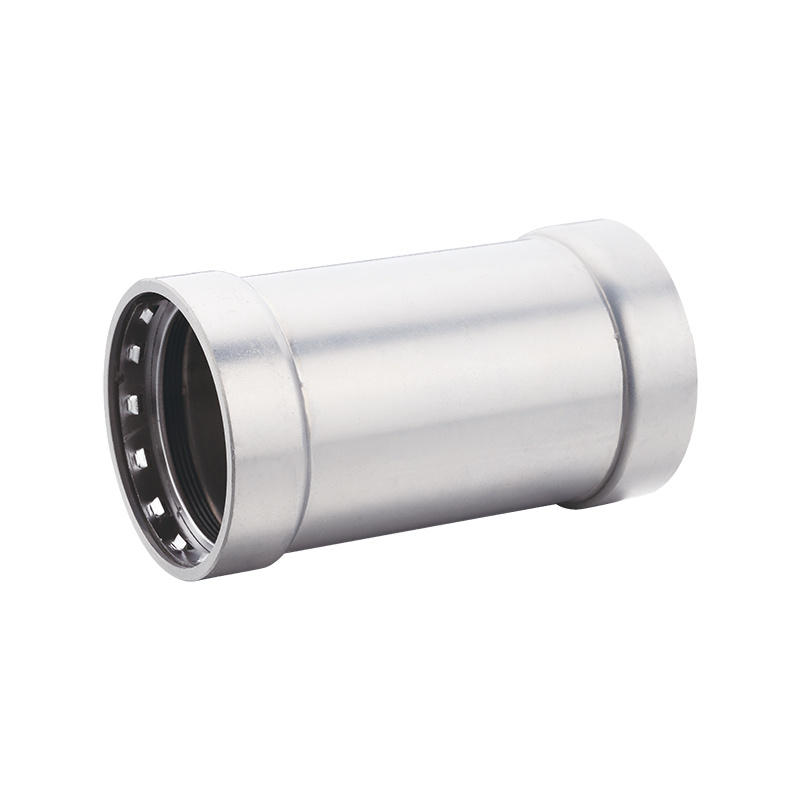
Slip couplers, also known as slip joints, are specialized fittings used to connect two lengths of pipe. Unlike traditional couplers that require the ends of the pipes to be joined together permanently, slip couplers allow for a certain degree of flexibility. This makes them particularly advantageous in systems where thermal expansion and contraction occur or where adjustments may be necessary for alignment.
Typically made from materials such as **stainless steel**, **PVC**, or **copper**, slip couplers come in various sizes and shapes to accommodate different pipe diameters. Their design often features a smooth interior surface that facilitates easy sliding of the pipes during installation.
Benefits of Slip Couplers in Pipe Systems
The use of slip couplers provides numerous advantages, making them an essential component in modern piping systems:
1. Ease of Installation
Slip couplers simplify the installation process. Since they allow for adjustments during pipe alignment, even less experienced professionals can achieve a reliable connection without extensive training or tools.
2. Accommodating Thermal Expansion
Temperature fluctuations can cause pipes to expand or contract. Slip couplers effectively manage this movement, reducing stress on the pipes and minimizing the risk of leaks or failures.
3. Improved Flexibility
The inherent flexibility of slip couplers allows for easy adjustments. This is particularly beneficial in applications where pipes need to be reconfigured or relocated without extensive modifications.
4. Cost-Effectiveness
By reducing labor costs associated with installation and maintenance, slip couplers can lead to significant savings. Their durability and reliability also mean fewer replacements over time, further enhancing cost-effectiveness.
Applications of Slip Couplers in Construction
Slip couplers find extensive use in various construction and plumbing applications. Their versatility makes them suitable for:
1. Water Supply Systems
In residential and commercial water supply systems, slip couplers ease the installation of pipes and help maintain a leak-free connection under varying pressure conditions.
2. Drainage Systems
For drain pipes, slip couplers allow for adjustments that accommodate changes in slope or direction without compromising the integrity of the system.
3. HVAC Systems
In heating, ventilation, and air conditioning (HVAC) systems, slip couplers contribute to the efficient flow of fluids while allowing for thermal expansion adjustments.
4. Industrial Applications
In industrial settings, slip couplers are commonly used in complex piping systems where adaptability is critical. They facilitate quick changes and repairs, minimizing downtime.
Installation Techniques for Slip Couplers
To ensure optimal performance, proper installation of slip couplers is vital. Here’s a step-by-step guide:
Step 1: Gather Tools and Materials
Before starting, gather the necessary tools, including a pipe cutter, measuring tape, deburring tool, and any additional fittings required for your specific installation.
Step 2: Measure and Cut Pipes
Using the measuring tape, determine the desired lengths of pipe. Carefully cut the pipes to the required length, ensuring clean and straight edges.
Step 3: Deburr the Edges
Deburring the edges eliminates sharp edges that could damage the slip coupler or cause leaks. Use a deburring tool to smooth the ends of the pipes.
Step 4: Slide on the Slip Coupler
Slide the slip coupler over the end of one pipe. Ensure it fits snugly without excessive force. Repeat the process with the second pipe.
Step 5: Adjust and Align
With both pipes inserted into the slip coupler, adjust their positions as necessary for alignment. This step is crucial to ensure that the coupling does not exert undue stress on the pipes.
Step 6: Secure the Connection
Secure the connection using screws or clamps, if required. Ensure that the slip coupler is locked in place to prevent any movement during operation.
Comparing Slip Couplers with Other Couplers
Understanding the differences between slip couplers and other coupler types is essential for selecting the right component for your piping system.
1. Standard Couplers
Standard couplers create a permanent bond between two pipe ends and require precise alignment during installation. Unlike slip couplers, they do not accommodate thermal expansion, making them less flexible in certain applications.
2. Compression Couplers
Compression couplers use a threaded mechanism to secure the pipes. Although they provide a tight seal, they may require specific tools for installation and are less forgiving regarding alignment errors.
3. Push-Fit Couplers
Push-fit couplers offer quick installation without the need for tools. However, they may not provide the same level of adaptability as slip couplers, especially in environments with significant temperature changes.
Maintenance and Care for Slip Couplers
To prolong the life of slip couplers and ensure optimal performance, regular maintenance is essential:
1. Regular Inspections
Periodically inspect slip couplers for any signs of wear or damage. Look for cracks, corrosion, or loose fittings that could compromise the integrity of the system.
2. Cleanliness
Keep slip couplers clean to prevent buildup of dirt and debris, which can lead to leaks or blockages. A simple cloth wipe can often suffice.
3. Re-tightening
After installation, it's advisable to periodically check and re-tighten any screws or clamps to ensure a secure fit as the system operates.
Common Issues and Solutions with Slip Couplers
Despite their advantages, slip couplers can face issues. Here are common problems and effective solutions:
1. Leakage
**Issue:** A common problem is leakage at the coupler joint.
**Solution:** Inspect the alignment and ensure that the coupler is properly secured. Replace the coupler if damage is evident.
2. Pipe Misalignment
**Issue:** Misalignment can occur over time due to movement or thermal expansion.
**Solution:** Regularly check the alignment and adjust as necessary. Using additional supports can help maintain proper positioning.
3. Corrosion
**Issue:** Depending on the material, couplers may corrode over time.
**Solution:** Opt for corrosion-resistant materials, such as stainless steel, and conduct routine inspections to catch issues early.
Conclusion
Slip couplers play a crucial role in enhancing the performance and reliability of pipe systems across various applications. Their flexibility, ease of installation, and ability to accommodate thermal expansion make them indispensable in modern construction and plumbing. By understanding their benefits, applications, and maintenance needs, professionals can ensure that their piping systems operate efficiently and effectively for years to come.
FAQs
1. What materials are slip couplers made from?
Slip couplers are commonly made from materials such as stainless steel, PVC, and copper to cater to different applications and environments.
2. Can slip couplers be used in high-pressure systems?
Yes, slip couplers can be used in high-pressure systems, provided they are made from appropriate materials and installed correctly to withstand the pressure.
3. How do slip couplers compare to traditional couplers?
Slip couplers offer flexibility and ease of installation, whereas traditional couplers create a permanent bond and may not accommodate thermal expansion as effectively.
4. Is it necessary to use tools for installing slip couplers?
While tools may not be required for all types of slip couplers, having basic tools can facilitate a smoother installation process.
5. How often should slip couplers be inspected?
It is advisable to inspect slip couplers regularly, at least once a year, to check for signs of wear, damage, or misalignment.
Latest News


Contact Information
Mobile/WeChat: +8613396691363
WhatsApp: +8613396691363
E-mail: warrior.wang@zjipcpiping.com
Address:Floor 47, Building A, International Trade Center, Ningbo Chamber of Commerce, No.558 of Taikangzhong Road, Yinzhou District, Ningbo, 315100 China
Follow Us on


SAF Coolest v1.3.1.1 设置面板 JPMSX-AVEW-UZZVE-ZSA
违禁词: 第一,最,一流,领先,独一无二,王者,龙头,领导者,极致,
无数据提示
Sorry, the current column is being updated, please stay tuned!
You can view other columns or return to the HOME