
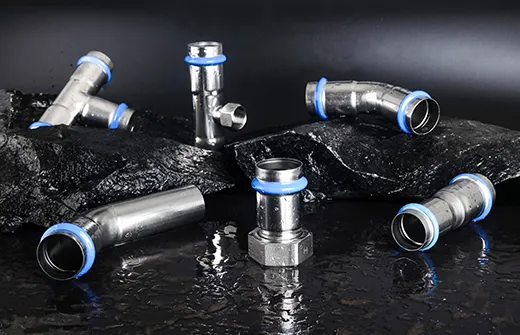
Understanding Stainless Steel Pipes: Essential Insights for the Construction Industry
Jun 28,2026
Stainless steel pipes are becoming increasingly vital in the building and construction industry, particularly in applications that demand durability, corrosion resistance, and aesthetic appeal. These pipes are available in various grades and finishes, making them versatile for numerous projects, from structural frameworks to decorative elements.
One of the primary advantages of using stainless steel pipes is their exceptional resistance to corrosion. Unlike conventional steel, which can rust and weaken over time, stainless steel maintains its integrity when exposed to moisture, chemicals, and temperature fluctuations. This makes it an ideal choice for both indoor and outdoor applications, including plumbing systems, handrails, and architectural features where longevity is essential.
In addition to corrosion resistance, stainless steel pipes offer significant aesthetic benefits. Their sleek appearance complements modern design trends, making them suitable for visible installations. When polished, these pipes can enhance the overall look of a building, adding a touch of sophistication to any environment. This is particularly important in applications such as railings or decorative frameworks, where aesthetics and function must go hand in hand.
Furthermore, stainless steel pipes are available in various sizes and specifications, allowing for flexibility in design and engineering. Professionals in the construction industry can select pipes based on specific project requirements, whether they need large diameter pipes for structural support or smaller ones for intricate designs. The availability of different stainless steel grades also provides options based on strength, ductility, and resistance to specific chemicals, ensuring that the selected material aligns with the project's goals.
Maintaining stainless steel pipes is relatively straightforward, which adds to their appeal in construction projects. Regular cleaning with mild detergents and water is usually sufficient to keep them looking new. It is essential to avoid harsh chemicals that can compromise the protective layer of the steel. Additionally, periodic inspections can help identify any signs of wear or damage, ensuring that the pipes remain functional and visually appealing over time.
In conclusion, stainless steel pipes play a crucial role in the construction and decoration of buildings, combining durability, aesthetic appeal, and ease of maintenance. By understanding the unique properties and advantages of these pipes, professionals in the industry can make better choices that enhance the quality and longevity of their projects. Whether used for structural elements or decorative finishes, stainless steel pipes are a reliable option that meets the demands of modern construction.
One of the primary advantages of using stainless steel pipes is their exceptional resistance to corrosion. Unlike conventional steel, which can rust and weaken over time, stainless steel maintains its integrity when exposed to moisture, chemicals, and temperature fluctuations. This makes it an ideal choice for both indoor and outdoor applications, including plumbing systems, handrails, and architectural features where longevity is essential.
In addition to corrosion resistance, stainless steel pipes offer significant aesthetic benefits. Their sleek appearance complements modern design trends, making them suitable for visible installations. When polished, these pipes can enhance the overall look of a building, adding a touch of sophistication to any environment. This is particularly important in applications such as railings or decorative frameworks, where aesthetics and function must go hand in hand.
Furthermore, stainless steel pipes are available in various sizes and specifications, allowing for flexibility in design and engineering. Professionals in the construction industry can select pipes based on specific project requirements, whether they need large diameter pipes for structural support or smaller ones for intricate designs. The availability of different stainless steel grades also provides options based on strength, ductility, and resistance to specific chemicals, ensuring that the selected material aligns with the project's goals.
Maintaining stainless steel pipes is relatively straightforward, which adds to their appeal in construction projects. Regular cleaning with mild detergents and water is usually sufficient to keep them looking new. It is essential to avoid harsh chemicals that can compromise the protective layer of the steel. Additionally, periodic inspections can help identify any signs of wear or damage, ensuring that the pipes remain functional and visually appealing over time.
In conclusion, stainless steel pipes play a crucial role in the construction and decoration of buildings, combining durability, aesthetic appeal, and ease of maintenance. By understanding the unique properties and advantages of these pipes, professionals in the industry can make better choices that enhance the quality and longevity of their projects. Whether used for structural elements or decorative finishes, stainless steel pipes are a reliable option that meets the demands of modern construction.
Latest News


Contact Information
Mobile/WeChat: +8613396691363
WhatsApp: +8613396691363
E-mail: warrior.wang@zjipcpiping.com
Address:Floor 47, Building A, International Trade Center, Ningbo Chamber of Commerce, No.558 of Taikangzhong Road, Yinzhou District, Ningbo, 315100 China
Follow Us on


SAF Coolest v1.3.1.1 设置面板 JPMSX-AVEW-UZZVE-ZSA
违禁词: 第一,最,一流,领先,独一无二,王者,龙头,领导者,极致,
无数据提示
Sorry, the current column is being updated, please stay tuned!
You can view other columns or return to the HOME