Elevate Your Plumbing Systems with 45° Obtuse Equal Elbows: A Comprehensive Guide
Dec 16,2025
Elevate Your Plumbing Systems with 45° Obtuse Equal Elbows
Table of Contents
- 1. Introduction to 45° Obtuse Equal Elbows
- 2. Importance of 45° Obtuse Equal Elbows in Plumbing Systems
- 3. Design and Functionality of 45° Obtuse Equal Elbows
- 4. Materials Used in 45° Obtuse Equal Elbows
- 5. Installation Techniques for 45° Obtuse Equal Elbows
- 6. Applications of 45° Obtuse Equal Elbows in Various Plumbing Systems
- 7. Maintenance Tips for Optimal Performance
- 8. Factors to Consider When Choosing 45° Obtuse Equal Elbows
- 9. Conclusion
- 10. Frequently Asked Questions
1. Introduction to 45° Obtuse Equal Elbows
In modern plumbing systems, the efficiency and functionality of connections are crucial. **45° obtuse equal elbows** serve as essential fittings that allow pipes to change direction smoothly. Unlike typical elbows, which often feature sharper angles, obtuse elbows provide a gentler turn, reducing friction and turbulence within the plumbing system. Understanding the significance of these fittings can help elevate the performance and longevity of your plumbing installations.
2. Importance of 45° Obtuse Equal Elbows in Plumbing Systems
The installation of 45° obtuse equal elbows in plumbing systems can lead to several advantages:
2.1 Enhanced Flow Efficiency
When fluid travels through a pipe, sharp bends can create unnecessary turbulence. **45° obtuse equal elbows** facilitate a smoother flow by minimizing disruptions, ultimately leading to improved efficiency.
2.2 Reduced Wear and Tear
In plumbing, wear and tear are inevitable, but using obtuse elbows can help mitigate this issue. By allowing for gradual changes in direction, these fittings reduce the stress on pipes, extending their lifespan.
2.3 Versatile Applications
Whether in residential, commercial, or industrial settings, 45° obtuse equal elbows are suitable for a variety of plumbing applications. Their adaptability allows for innovative plumbing designs that meet diverse needs.
3. Design and Functionality of 45° Obtuse Equal Elbows
Understanding the design of 45° obtuse equal elbows is essential for proper application. These fittings typically have a symmetrical shape that allows them to connect pipes of the same diameter seamlessly.
3.1 Structural Integrity
The structural integrity of 45° obtuse equal elbows ensures they can withstand high pressures and temperatures. This makes them ideal for both hot and cold water applications.
3.2 Flow Characteristics
The design of these elbows significantly influences fluid dynamics. By providing a more gradual turn, they contribute to laminar flow, reducing the risk of clogs and pressure drops in the system.
4. Materials Used in 45° Obtuse Equal Elbows
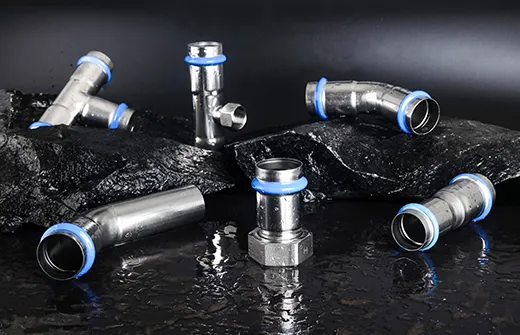
The choice of material for 45° obtuse equal elbows plays a critical role in their performance and durability. Common materials include:
4.1 Stainless Steel
**Stainless steel** elbows are incredibly durable, resistant to corrosion, and ideal for various applications, including sanitary and high-pressure systems.
4.2 PVC (Polyvinyl Chloride)
PVC elbows are lightweight and easy to install, making them a popular choice for residential plumbing systems. They are also resistant to chemical corrosion, although they may not be suitable for high-temperature applications.
4.3 Copper
Copper elbows are a robust option for hot and cold water systems. They provide excellent thermal conductivity but may be more expensive than other materials.
5. Installation Techniques for 45° Obtuse Equal Elbows
Proper installation is vital for the optimal performance of 45° obtuse equal elbows. Here are essential steps to follow:
5.1 Preparation
Before installing the elbows, ensure all pipes are clean and free of debris. This will facilitate a proper seal and prevent leaks.
5.2 Cutting Pipes
Use a pipe cutter to create clean, straight cuts on the pipes. Ensure the ends of the pipes are smooth to ensure a secure connection with the elbows.
5.3 Joining the Pipes
Depending on the material, use the appropriate joining method—soldering for copper, solvent welding for PVC, or threading for stainless steel. Ensure the connections are tight and leak-free.
5.4 Testing the Installation
Once installed, conduct a pressure test to ensure there are no leaks. It’s crucial to verify that the system operates efficiently before finalizing the installation.
6. Applications of 45° Obtuse Equal Elbows in Various Plumbing Systems
45° obtuse equal elbows find applications in numerous scenarios:
6.1 Residential Plumbing
In residential systems, these elbows are commonly used in drainage, waste, and vent systems, allowing for efficient movement of water and waste.
6.2 Commercial Installations
In commercial plumbing, 45° obtuse equal elbows help manage complex layouts, ensuring optimal flow rates and minimizing the risk of clogs.
6.3 Industrial Systems
Industrial applications often require robust plumbing solutions. The ability to handle high pressures and temperatures makes these elbows suitable for various manufacturing processes.
7. Maintenance Tips for Optimal Performance
Regular maintenance is key to ensuring that 45° obtuse equal elbows operate efficiently:
7.1 Routine Inspections
Conduct routine inspections to identify any signs of wear or damage. Early detection can prevent more significant issues down the line.
7.2 Cleaning
Keep the elbows and adjacent pipes clean to prevent buildup that could impede flow. Regular cleaning can prolong the life of the system.
7.3 Professional Servicing
Consider hiring professionals for periodic servicing, especially in complex systems. Their expertise can help maintain optimal performance and identify potential problems.
8. Factors to Consider When Choosing 45° Obtuse Equal Elbows
When selecting 45° obtuse equal elbows for your plumbing project, consider the following factors:
8.1 Size and Compatibility
Ensure that the elbows are compatible with the existing pipe sizes to maintain proper flow rates.
8.2 Material Suitability
Choose the appropriate material based on the application and environmental conditions. Consider factors such as temperature, pressure, and exposure to chemicals.
8.3 Cost and Budget
Evaluate the cost of different materials and styles of elbows, balancing quality and budget constraints.
8.4 Manufacturer Reputation
Select reputable manufacturers that provide quality fittings. Research customer reviews and product warranties to ensure reliability.
9. Conclusion
Incorporating **45° obtuse equal elbows** into your plumbing systems can dramatically enhance performance, efficiency, and longevity. By understanding their design, applications, and the importance of proper installation, you can ensure your systems operate smoothly. Whether you are a DIY enthusiast or a professional plumber, utilizing these fittings will elevate your projects and lead to successful results.
10. Frequently Asked Questions
Q1: What is the primary benefit of using 45° obtuse equal elbows?
A1: The primary benefit is improved flow efficiency and reduced turbulence, leading to enhanced plumbing performance.
Q2: Are 45° obtuse equal elbows suitable for all types of plumbing?
A2: Yes, they are versatile and can be used in residential, commercial, and industrial plumbing systems.
Q3: How do I know which material to choose for my elbows?
A3: Choose based on your specific application needs, considering factors like temperature, pressure, and exposure to chemicals.
Q4: What tools do I need for installing 45° obtuse equal elbows?
A4: Common tools include a pipe cutter, soldering kit (for copper), pipe wrench (for threaded connections), and solvent cement (for PVC).
Q5: How can I maintain my plumbing system with 45° obtuse equal elbows?
A5: Regular inspections, cleaning, and periodic professional servicing will help maintain optimal performance and prevent issues.
Latest News
Contact Information
Mobile/WeChat: +8613396691363
WhatsApp: +8613396691363
E-mail: warrior.wang@zjipcpiping.com
Address:Floor 47, Building A, International Trade Center, Ningbo Chamber of Commerce, No.558 of Taikangzhong Road, Yinzhou District, Ningbo, 315100 China
Follow Us on


SAF Coolest v1.3.1.1 设置面板 JPMSX-AVEW-UZZVE-ZSA
违禁词: 第一,最,一流,领先,独一无二,王者,龙头,领导者,极致,
无数据提示
Sorry, the current column is being updated, please stay tuned!
You can view other columns or return to the HOME