
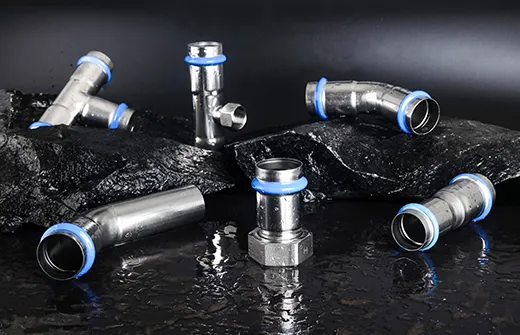
Maximizing Space with 45° Obtuse Street Elbow Designs: Efficient Solutions for Modern Architecture
Dec 04,2025
Maximizing Space with 45° Obtuse Street Elbow Designs
Introduction to 45° Obtuse Street Elbow Designs
In the realm of modern architecture and construction, efficient use of space is paramount. One innovative solution that has emerged is the **45° obtuse street elbow design**. These fittings not only enhance the aesthetic appeal of structures but also improve functionality, providing architects and builders with a versatile option for optimizing limited spaces. This article delves into the intricacies of these designs, their advantages, and their applications in various architectural contexts.
Understanding the 45° Obtuse Street Elbow Design
What is a 45° Obtuse Street Elbow?
A **45° obtuse street elbow** is a type of pipe fitting that allows for a change in direction of flow in plumbing and construction systems. Unlike standard elbows, which typically have a 90° or 45° angle, the obtuse design provides a gentler turn at a wider angle. This feature can significantly reduce friction loss, allowing for smoother transitions in pipelines.
The Role of 45° Obtuse Elbows in Architecture
In architectural applications, 45° obtuse street elbows serve multiple functions. They can be utilized in drainage systems, HVAC installations, and even in decorative installations, allowing for seamless integration into various building designs. Their unique angle helps in navigating complex layouts while maintaining structural integrity.
Benefits of Using 45° Obtuse Street Elbow Designs
Space Optimization
One of the most significant advantages of utilizing 45° obtuse street elbows is their ability to optimize space effectively. The gentle curve of the elbow fitting minimizes the required clearance, making it ideal for constricted areas. This feature is especially beneficial in urban settings, where space is at a premium.
Enhanced Fluid Dynamics
The design of the 45° obtuse elbow promotes better fluid dynamics within pipelines. The gradual turn reduces turbulence and pressure loss, leading to improved efficiency in plumbing and drainage systems. This characteristic is essential for maintaining performance in systems that transport liquids or gases.
Versatile Applications
These fittings can be employed across various sectors, including residential, commercial, and industrial projects. From plumbing to HVAC systems and beyond, the versatility of 45° obtuse street elbows allows for creative and effective design solutions.
Applications of 45° Obtuse Street Elbow Designs in Construction
Plumbing Systems
In plumbing systems, 45° obtuse elbows facilitate smoother transitions between pipes, reducing the risk of clogs and enhancing flow rates. Their design is particularly beneficial in situations where space constraints demand innovative plumbing solutions.
HVAC Systems
For heating, ventilation, and air conditioning (HVAC) systems, the use of obtuse elbows can improve air circulation. These fittings allow for efficient routing of ductwork, ensuring that air flows unobstructed through the system. This design choice can lead to better temperature regulation and energy efficiency.
Drainage Solutions
When it comes to drainage solutions, the 45° obtuse street elbow is a game-changer. Its ability to navigate tight spaces while maintaining flow clarity helps prevent backflow and reduces the chances of blockages in drainage systems.
Innovative Design Considerations
Integrating 45° Obtuse Elbows into Aesthetic Designs
Architects often seek ways to incorporate functional elements into their designs without sacrificing aesthetics. The 45° obtuse street elbow, with its sleek lines and gentle curves, can be integrated into decorative features, providing both form and function.
Example of Decorative Applications
Consider a scenario where these elbows are used in a modern staircase design. The elbows can seamlessly transition from the railing to the staircase structure, creating a visually appealing and functional element.
Material Choices for 45° Obtuse Street Elbows
When selecting materials for these elbow designs, considerations such as durability, corrosion resistance, and thermal properties are essential. Common materials include stainless steel, PVC, and copper, each offering unique advantages based on the application.
Installation Best Practices for 45° Obtuse Street Elbows
Preparing for Installation
Before installation, ensure that all pipes are cut to the appropriate lengths and that the work area is clear. Proper measurements are crucial for achieving a seamless fit, minimizing the risk of leaks or structural issues.
Techniques for Proper Fitting
During installation, use appropriate adhesives or welding techniques to secure the elbow fittings to the pipes. Ensure that the angle is maintained correctly to prevent any disruptions in flow or structural integrity.
Testing for Efficiency
Once installed, conduct tests to check for leaks and ensure that the fluid dynamics are functioning as intended. This step is vital for verifying that the installation meets the required performance standards.
Common FAQs About 45° Obtuse Street Elbow Designs
What is the main advantage of using a 45° obtuse elbow over a standard elbow?
The primary advantage is the reduced friction loss and smoother flow transition, which enhances the efficiency of plumbing and drainage systems.
Can 45° obtuse elbows be used in both residential and commercial applications?
Yes, these fittings are versatile and suitable for a wide range of applications, from residential plumbing to commercial HVAC systems.
What materials are most commonly used for 45° obtuse street elbows?
Common materials include stainless steel, PVC, and copper, each chosen based on the specific application and environmental conditions.
How do I ensure a proper installation of 45° obtuse elbows?
Proper measurements and alignment are essential. Use suitable adhesives or welding methods and conduct efficiency tests post-installation.
Are there any design considerations when using 45° obtuse elbows in aesthetics?
Yes, these elbows can be integrated into design elements, enhancing the visual appeal while maintaining functionality.
Conclusion
Incorporating **45° obtuse street elbow designs** into architectural and construction projects opens up new avenues for maximizing space and improving efficiency. Their unique design offers significant advantages in fluid dynamics and space optimization, making them an invaluable component in various applications. By understanding their benefits and applications, architects and builders can leverage these innovative fittings to create more functional and aesthetically pleasing structures. As we continue to evolve in our building practices, the adoption of such versatile designs will play a crucial role in shaping the future of modern architecture.
Latest News


Contact Information
Mobile/WeChat: +8613396691363
WhatsApp: +8613396691363
E-mail: warrior.wang@zjipcpiping.com
Address:Floor 47, Building A, International Trade Center, Ningbo Chamber of Commerce, No.558 of Taikangzhong Road, Yinzhou District, Ningbo, 315100 China
Follow Us on


SAF Coolest v1.3.1.1 设置面板 JPMSX-AVEW-UZZVE-ZSA
违禁词: 第一,最,一流,领先,独一无二,王者,龙头,领导者,极致,
无数据提示
Sorry, the current column is being updated, please stay tuned!
You can view other columns or return to the HOME