
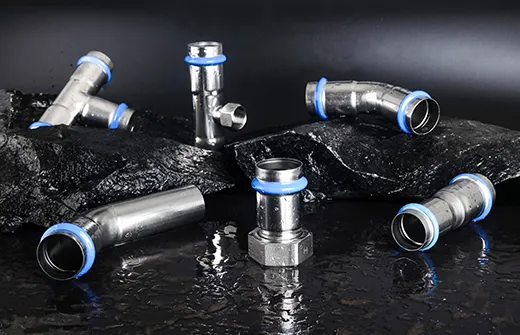
Innovative Uses of 45° Obtuse Equal Elbows in Architectural Design
Dec 10,2025
Innovative Uses of 45° Obtuse Equal Elbows in Architectural Design
Table of Contents
- 1. Introduction to 45° Obtuse Equal Elbows
- 2. Understanding the Geometry of 45° Obtuse Equal Elbows
- 3. Architectural Significance of 45° Obtuse Equal Elbows
- 4. Applications of 45° Obtuse Equal Elbows in Architecture
- 5. Design and Aesthetic Benefits
- 6. Material Considerations for 45° Obtuse Equal Elbows
- 7. Case Studies: Innovative Architectures Using 45° Obtuse Equal Elbows
- 8. Sustainability Aspects of 45° Obtuse Equal Elbows
- 9. Conclusion
- 10. FAQs
1. Introduction to 45° Obtuse Equal Elbows
In the realm of architectural design, every component plays a crucial role in the overall functionality and aesthetics of a structure. Among these components, **45° obtuse equal elbows** have emerged as a remarkable addition to modern architecture. These fittings not only allow for smooth transitions in piping and ventilation systems but also serve as focal points in design. Their unique angles and versatility make them a preferred choice for innovative architects.
This article delves into the various innovative uses of 45° obtuse equal elbows in architectural design, showcasing their structural significance, aesthetic appeal, and contributions to sustainable building practices.
2. Understanding the Geometry of 45° Obtuse Equal Elbows
A **45° obtuse equal elbow** is a plumbing fitting that forms a 45-degree angle, allowing two pipes or ducts to connect at an obtuse angle. This unique geometry facilitates smooth directional changes in fluid flow, which is essential in both plumbing and HVAC systems.
The design of these elbows ensures that they can handle high pressure while maintaining the integrity of the system. Their shape minimizes turbulence and reduces the risk of blockages, making them an efficient choice for various applications.
3. Architectural Significance of 45° Obtuse Equal Elbows
The architectural significance of 45° obtuse equal elbows extends beyond functionality. They provide structural support and contribute to the overall design narrative of a building. Here are several key points:
- **Enhanced Structural Integrity**: The unique design provides additional support at critical junctions, allowing for greater load distribution.
- **Flexibility in Design**: Architects can utilize these elbows to create dynamic and fluid spaces, introducing curves and angles that enhance visual interest.
- **Functional Efficiency**: Ensuring optimal fluid flow reduce the need for additional fittings, simplifying installation and maintenance.
4. Applications of 45° Obtuse Equal Elbows in Architecture
The applications of **45° obtuse equal elbows** in architectural design are vast and varied. Here are some noteworthy examples:
4.1 Plumbing Systems
In plumbing systems, elbows are essential for directing water flow through intricate pipe layouts. Their design minimizes pressure loss and maintains efficiency.
4.2 HVAC Installations
In HVAC systems, these elbows help redirect airflow, ensuring consistent temperature control and comfort within buildings.
4.3 Aesthetic Features
Architects are increasingly incorporating these elbows as aesthetic features in exposed piping designs. This trend highlights industrial aesthetics while maintaining functionality.
4.4 Decorative Elements
When crafted from materials like stainless steel or brass, 45° obtuse equal elbows can serve as striking decorative elements, enhancing the visual appeal of both interior and exterior spaces.
5. Design and Aesthetic Benefits
The integration of **45° obtuse equal elbows** into architectural designs offers numerous aesthetic benefits:
5.1 Visual Flow
These fittings can create a sense of visual flow within a space, encouraging movement and guiding the eye through the design.
5.2 Unique Features
Incorporating such components can transform ordinary buildings into unique works of art, where functionality merges with creativity.
5.3 Industrial Elegance
The use of metallic elbows in exposed ductwork or plumbing systems brings an industrial elegance to modern designs, appealing to contemporary tastes.
6. Material Considerations for 45° Obtuse Equal Elbows
When selecting materials for **45° obtuse equal elbows**, several factors must be considered:
6.1 Durability
Materials such as stainless steel and copper are chosen for their durability and resistance to corrosion, ensuring longevity in both plumbing and architectural applications.
6.2 Aesthetic Versatility
The choice of material can significantly impact the overall aesthetic. For instance, polished brass elbows can lend a vintage feel, while matte black steel offers a more industrial look.
6.3 Compatibility with Other Systems
Materials must also be compatible with existing systems, as mismatched materials can lead to leaks or structural weaknesses.
7. Case Studies: Innovative Architectures Using 45° Obtuse Equal Elbows
Examining real-world applications provides insights into how **45° obtuse equal elbows** can be innovatively utilized in architecture.
7.1 The High Line, New York City
The High Line features exposed steel elements where **45° obtuse equal elbows** are used to connect various utilities while contributing to the park's industrial aesthetic.
7.2 30 Hudson Yards, New York City
In this architectural marvel, the integration of these elbows in the HVAC system allows for efficient airflow management, demonstrating their functionality and design impact.
7.3 The Mies van der Rohe Archives
This collection showcases how 45° obtuse equal elbows can enhance both the structural integrity and visual appeal of modernist architecture.
8. Sustainability Aspects of 45° Obtuse Equal Elbows
Sustainability in architecture is paramount, and **45° obtuse equal elbows** contribute in several ways:
8.1 Reduced Material Waste
Utilizing these elbows can minimize the number of required fittings, thereby reducing material waste during construction.
8.2 Energy Efficiency
In HVAC systems, the optimized airflow provided by these elbows can lead to energy savings, making buildings more environmentally friendly.
8.3 Recyclable Materials
Many materials used for these fittings are recyclable, supporting sustainable practices in architecture.
9. Conclusion
In conclusion, **45° obtuse equal elbows** play a multifaceted role in architectural design. Their unique geometry not only enhances the functionality of plumbing and HVAC systems but also contributes to the aesthetic appeal and sustainability of modern buildings. As architects continue to push the boundaries of design, the innovative use of these components will undoubtedly play a critical role in shaping the future of architecture.
10. FAQs
10.1 What are 45° obtuse equal elbows used for?
45° obtuse equal elbows are used to connect pipes at a 45-degree angle, primarily in plumbing and HVAC systems, allowing for efficient fluid and airflow management.
10.2 How do these elbows contribute to architectural design?
They enhance structural integrity, provide aesthetic appeal, and allow for unique design features in modern architecture.
10.3 What materials are commonly used for 45° obtuse equal elbows?
Common materials include stainless steel, copper, and brass, chosen for their durability, aesthetic versatility, and compatibility with plumbing systems.
10.4 Can 45° obtuse equal elbows impact energy efficiency?
Yes, their ability to optimize airflow in HVAC systems can lead to improved energy efficiency and reduced operational costs.
10.5 Are 45° obtuse equal elbows sustainable?
These elbows can support sustainability by reducing material waste during construction and utilizing recyclable materials, contributing to environmentally friendly building practices.
Latest News

Contact Information
Mobile/WeChat: +8613396691363
WhatsApp: +8613396691363
E-mail: warrior.wang@zjipcpiping.com
Address:Floor 47, Building A, International Trade Center, Ningbo Chamber of Commerce, No.558 of Taikangzhong Road, Yinzhou District, Ningbo, 315100 China
Follow Us on


SAF Coolest v1.3.1.1 设置面板 JPMSX-AVEW-UZZVE-ZSA
违禁词: 第一,最,一流,领先,独一无二,王者,龙头,领导者,极致,
无数据提示
Sorry, the current column is being updated, please stay tuned!
You can view other columns or return to the HOME