
How to Choose the Right Slip Coupler for Your Construction Needs
Mar 21,2026
How to Choose the Right Slip Coupler for Your Construction Needs
Table of Contents
- Understanding Slip Couplers: An Overview
- The Importance of Slip Couplers in Construction
- Types of Slip Couplers: Which One is Right for You?
- Key Factors to Consider When Choosing Slip Couplers
- Material Selection for Slip Couplers
- Installation Tips for Slip Couplers
- Common Mistakes to Avoid When Using Slip Couplers
- Frequently Asked Questions
- Conclusion
Understanding Slip Couplers: An Overview
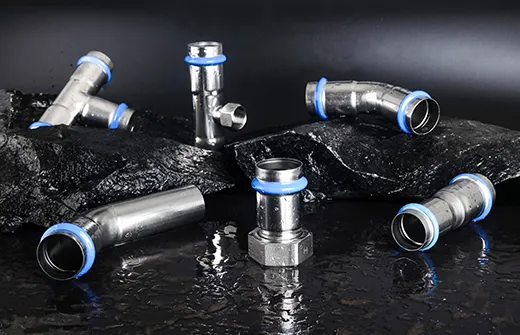
Slip couplers are essential components in various construction projects, particularly in piping systems. They enable the connection of two pipes while allowing for a certain degree of movement. This flexibility is crucial in applications where temperature fluctuations or ground movement could otherwise stress the joints. Slip couplers are designed to accommodate these changes, ensuring the integrity and longevity of the piping system.
When selecting slip couplers, it is vital to understand their construction, function, and potential applications. Slip couplers can be utilized in a range of materials, including PVC, steel, and stainless steel, each offering distinct advantages based on the intended use.
The Importance of Slip Couplers in Construction
In the realm of construction, especially when dealing with **stainless steel building pipes**, slip couplers play a pivotal role in maintaining the stability and functionality of the structures. Here are several key reasons why slip couplers are indispensable:
1. **Flexibility**: They allow for movement caused by thermal expansion or contraction, reducing the risk of fractures or leaks.
2. **Ease of Installation**: Slip couplers simplify the connection process, enabling quicker assembly and reducing labor costs.
3. **Durability**: Made from high-quality materials, slip couplers can withstand harsh environmental conditions, enhancing the lifespan of the system.
4. **Improved Flow**: Properly installed slip couplers minimize turbulence and ensure smooth fluid flow, which is critical in plumbing and industrial applications.
Types of Slip Couplers: Which One is Right for You?
Choosing the right type of slip coupler depends largely on the specific requirements of your project. Below, we examine some of the most common types:
1. PVC Slip Couplers
PVC slip couplers are widely used in residential plumbing systems. They are light, cost-effective, and resistant to corrosion. Ideal for low-pressure applications, these couplers are easy to install with solvent cement.
2. Stainless Steel Slip Couplers
Stainless steel slip couplers offer high strength and resistance to corrosion, making them suitable for industrial applications. They can handle high pressure and are often used in systems involving water, gas, and chemicals.
3. Copper Slip Couplers
Copper slip couplers are commonly used in heating systems due to their excellent thermal conductivity. They resist corrosion and are typically used in applications requiring high-temperature tolerance.
4. Ductile Iron Slip Couplers
These couplers are designed for heavy-duty applications, often found in municipal water systems. Their robust construction makes them suitable for high-pressure environments.
Key Factors to Consider When Choosing Slip Couplers
Selecting the right slip coupler is crucial for ensuring a successful construction project. Here are key factors to consider:
1. Pipe Size and Compatibility
Ensure that the slip coupler matches the diameter and type of pipe being connected. An ill-fitting coupler can lead to leaks and system failure.
2. Material Properties
Choose a material that is compatible with the substances being transported through the pipes. For example, corrosive chemicals require non-corrosive materials like stainless steel.
3. Operating Environment
Consider the environmental conditions, such as temperature fluctuations, exposure to chemicals, and pressure levels. This will guide your choice of material and coupler type.
4. Regulatory Standards
Ensure that the slip coupler complies with local building codes and regulations. Non-compliance can lead to legal issues and project delays.
5. Budget Constraints
Evaluate the cost of the slip coupler while considering its long-term value. Sometimes, investing in a higher-quality coupler pays off in durability and maintenance savings.
Material Selection for Slip Couplers
The material you choose for your slip coupler significantly impacts its performance. Here’s a closer look at the most common materials:
1. PVC
PVC slip couplers are ideal for low-pressure applications and non-corrosive fluids. They are lightweight and easy to install, making them a popular choice for residential plumbing.
2. Stainless Steel
For applications requiring durability and resistance to corrosive elements, stainless steel is the material of choice. It is perfect for industrial settings and ensures the longevity of the piping system.
3. Copper
Copper slip couplers are often used in heating systems due to their excellent heat transfer properties. However, they can be more expensive than other options.
4. Ductile Iron
These couplers are robust and can handle high-pressure environments, making them suitable for municipal water supply systems. Their strength ensures they can withstand significant stress.
Installation Tips for Slip Couplers
Proper installation of slip couplers is essential for optimal performance. Here are some tips to ensure a successful installation:
1. Clean the Pipe Ends
Before installing, make sure the pipe ends are clean and free from debris. This prevents leaks and ensures a secure fit.
2. Apply Lubrication (If Necessary)
For some types of slip couplers, a lubricant may be necessary to ease installation. Follow manufacturer recommendations regarding lubricants.
3. Ensure Proper Alignment
Align the pipes correctly before sliding the coupler into place. Misalignment can lead to stress and premature failure.
4. Secure Connections
Use appropriate methods to secure the coupler in place, whether it’s through welding, adhesive, or mechanical fastening, depending on the material.
5. Test for Leaks
After installation, conduct a thorough leak test to ensure the connections are secure. This step is crucial to prevent future issues.
Common Mistakes to Avoid When Using Slip Couplers
Avoiding common pitfalls can save time and money in the long run. Here are mistakes to watch out for:
1. Not Considering Pipe Movement
Failing to account for thermal expansion and contraction can lead to failures. Always choose couplers that allow for some movement.
2. Using Incompatible Materials
Mixing materials can lead to corrosion or weak connections. Always ensure compatibility.
3. Skipping Leak Tests
Neglecting to test for leaks post-installation can result in costly repairs later on.
4. Ignoring Manufacturer Guidelines
Always follow the installation instructions provided by the manufacturer to ensure the coupler performs as intended.
5. Underestimating Pipe Size
Ensure that the coupler fits the pipe size accurately. An incorrect fit can compromise the entire system.
Frequently Asked Questions
1. What is a slip coupler, and how does it work?
A slip coupler is a plumbing fitting that connects two pipes while allowing for movement due to thermal expansion or ground shifts. It works by sliding over the ends of the pipes, creating a secure connection.
2. How do I determine the right size slip coupler for my pipes?
To find the correct size, measure the outer diameters of the pipes you wish to connect and select a coupler that matches these measurements.
3. Can I use slip couplers for outdoor plumbing systems?
Yes, slip couplers can be used in outdoor systems, but ensure you choose materials that can withstand outdoor conditions, like stainless steel or PVC.
4. Are slip couplers reusable?
Typically, slip couplers are designed for single-use connections. However, depending on the installation method, some may be reused if removed carefully.
5. What maintenance is required for slip couplers?
Regularly check for signs of wear, corrosion, or leaks. If any issues are found, inspect and replace the coupler as necessary to maintain system integrity.
Conclusion
Choosing the right slip coupler is a critical decision that can significantly affect the success of your construction projects. By understanding the various types, considering essential factors such as material and installation, and avoiding common mistakes, you can select a slip coupler that meets your specific needs. With proper installation and maintenance, your slip couplers will enhance the durability and reliability of your piping systems, ensuring they stand the test of time.
Latest News
Contact Information
Mobile/WeChat: +8613396691363
WhatsApp: +8613396691363
E-mail: warrior.wang@zjipcpiping.com
Address:Floor 47, Building A, International Trade Center, Ningbo Chamber of Commerce, No.558 of Taikangzhong Road, Yinzhou District, Ningbo, 315100 China
Follow Us on


SAF Coolest v1.3.1.1 设置面板 JPMSX-AVEW-UZZVE-ZSA
违禁词: 第一,最,一流,领先,独一无二,王者,龙头,领导者,极致,
无数据提示
Sorry, the current column is being updated, please stay tuned!
You can view other columns or return to the HOME