Why Slip Couplings are Essential for Modern Construction Projects
Mar 15,2026
Why Slip Couplings are Essential for Modern Construction Projects
In today’s fast-evolving construction industry, the need for reliable and efficient plumbing and piping solutions has never been more critical. Among the essential components that contribute to the durability and efficiency of plumbing systems are slip couplings. This article will explore the significance of slip couplings in modern construction projects, detailing their design, advantages, applications, and best practices for use in a variety of building scenarios.
Table of Contents
- Introduction to Slip Couplings
- What are Slip Couplings?
- Benefits of Using Slip Couplings in Construction
- Applications of Slip Couplings in Construction
- Best Practices for Using Slip Couplings
- Common Issues and Solutions
- Frequently Asked Questions
- Conclusion
Introduction to Slip Couplings
Slip couplings are vital connectors in various piping systems used in construction. They enable the seamless connection of different pipe segments while allowing for adjustments in alignment. Their unique design makes them indispensable in ensuring that plumbing systems are both efficient and durable, thereby directly influencing the overall integrity of modern buildings.
What are Slip Couplings?
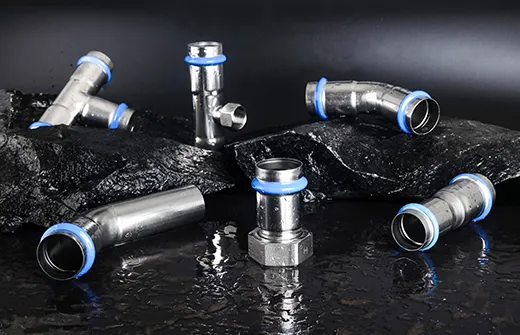
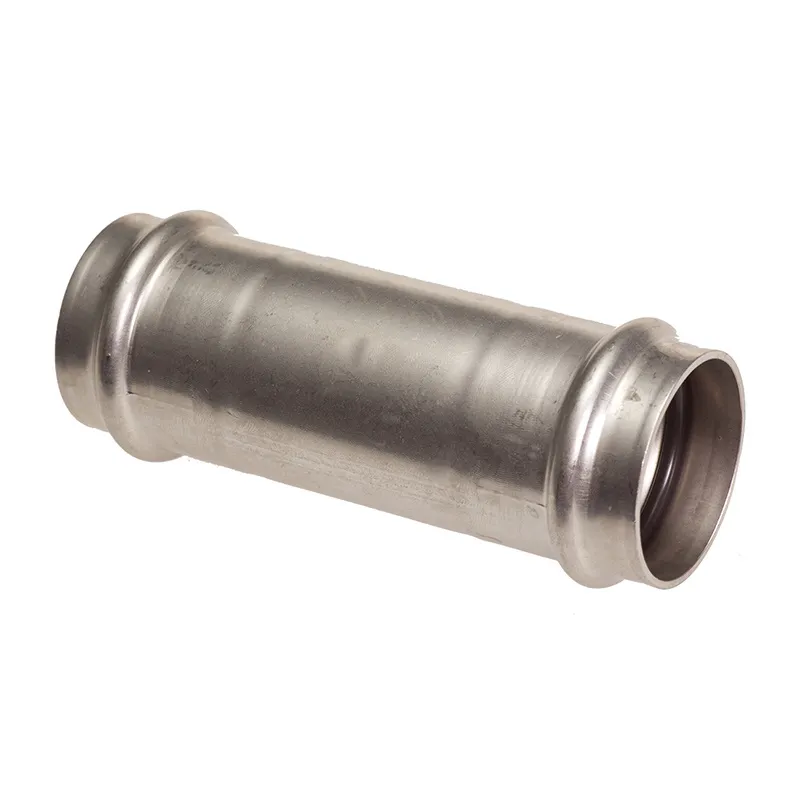
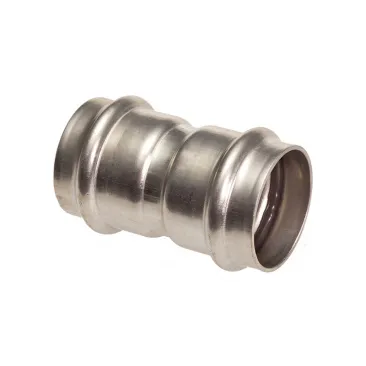
A slip coupling is a type of coupling designed to connect two sections of pipe. Unlike traditional couplings, which require precise alignment and fitting, slip couplings allow for slight variations in alignment, making them easier to install. They typically consist of a cylindrical body made from materials such as stainless steel or PVC, designed to withstand high pressure and resist corrosion.
Benefits of Using Slip Couplings in Construction
Slip couplings offer numerous advantages that make them essential for modern construction projects. Let’s take an in-depth look at some of these benefits.
Enhanced Installation Efficiency
One of the primary benefits of slip couplings is their ease of installation. They allow construction teams to connect pipes quickly without the need for extensive adjustments or fittings. This efficiency can significantly reduce labor costs and project timelines, enabling faster completion of construction projects.
Flexibility and Adjustability
Slip couplings provide a high degree of flexibility, allowing for adjustments during the installation process. This adaptability is particularly useful in tight spaces or complex plumbing layouts, where precise fittings can be challenging. The ability to easily align pipes means that construction teams can work more efficiently without sacrificing quality.
Improved Sealing Capabilities
When properly installed, slip couplings create a robust seal that minimizes the risk of leaks. Their design ensures that the connection between pipes is secure, maintaining the integrity of the plumbing system over time. This feature is crucial for preventing water damage and ensuring the longevity of construction projects.
Applications of Slip Couplings in Construction
Slip couplings have a wide range of applications in construction, making them versatile components in various systems. Here are some of the most common uses:
1. Plumbing Systems
Slip couplings are extensively used in residential and commercial plumbing systems. They facilitate the connection of pipes for water supply, drainage, and wastewater management, ensuring efficient flow and preventing leaks.
2. HVAC Systems
In heating, ventilation, and air conditioning (HVAC) systems, slip couplings help connect ductwork and piping, allowing for flexible layouts and ease of maintenance. Their adaptability is essential for ensuring optimal airflow and efficiency.
3. Fire Protection Systems
Slip couplings are also crucial in fire protection systems, where they connect various pipes in sprinkler systems. Their reliability and ease of installation make them ideal for ensuring effective fire suppression capabilities.
Best Practices for Using Slip Couplings
To maximize the benefits of slip couplings, it’s essential to follow best practices during installation. Here are some recommendations:
1. Proper Sizing and Material Selection
Ensure that the slip couplings selected are the right size and material for the specific application. Using the correct components will enhance performance and durability.
2. Thorough Inspection
Before installation, inspect the pipes and slip couplings for any damage or defects. Ensuring that all components are in good condition will minimize the risk of leaks and failures.
3. Follow Manufacturer Guidelines
Always adhere to manufacturer guidelines during installation. Proper procedures will ensure a strong seal and reliable performance.
Common Issues and Solutions
While slip couplings are generally reliable, some common issues can arise during their use. Here are a few potential problems and their solutions:
1. Leakage
If a slip coupling is leaking, it may not have been installed correctly. Check the alignment and ensure that the coupling is securely in place. Re-tightening the connection may help resolve the issue.
2. Corrosion
Corrosion can weaken slip couplings over time, especially in harsh environments. Selecting corrosion-resistant materials like stainless steel can mitigate this risk, ensuring long-lasting performance.
3. Misalignment
In cases of misalignment, consider using adjustable slip couplings that allow for easy adjustments during installation. This flexibility can prevent future issues related to piping alignment.
Frequently Asked Questions
1. What are the advantages of slip couplings compared to traditional couplings?
Slip couplings offer greater flexibility, easier installation, and improved sealing capabilities compared to traditional couplings.
2. Can slip couplings be used in high-pressure applications?
Yes, many slip couplings are designed for high-pressure applications, especially those made from durable materials like stainless steel.
3. How do I know if I need a slip coupling for my project?
If your project requires flexibility in installation or adjustments in piping alignment, slip couplings are a suitable choice.
4. What materials are commonly used for slip couplings?
Slip couplings are typically made from materials such as PVC, stainless steel, and other corrosion-resistant alloys.
5. Are there any specific maintenance requirements for slip couplings?
Regular inspections for signs of wear or corrosion can help maintain the integrity of slip couplings. Ensure proper alignment and secure fittings to prevent leaks.
Conclusion
In conclusion, slip couplings are indispensable components in modern construction projects, offering significant benefits in terms of efficiency, flexibility, and reliability. Their ability to facilitate quick installations and provide robust sealing solutions makes them essential for plumbing, HVAC, and fire protection systems. By adhering to best practices and addressing common issues, construction professionals can harness the full potential of slip couplings, contributing to the overall success of their projects. Investing in quality slip couplings is a strategic decision that enhances the durability and efficiency of building systems, ultimately leading to safer and more resilient structures.
Latest News
Contact Information
Mobile/WeChat: +8613396691363
WhatsApp: +8613396691363
E-mail: warrior.wang@zjipcpiping.com
Address:Floor 47, Building A, International Trade Center, Ningbo Chamber of Commerce, No.558 of Taikangzhong Road, Yinzhou District, Ningbo, 315100 China
Follow Us on


SAF Coolest v1.3.1.1 设置面板 JPMSX-AVEW-UZZVE-ZSA
无数据提示
Sorry, the current column is being updated, please stay tuned!
You can view other columns or return to the HOME