Understanding Slip Couplings: Essential Insights for Construction Professionals
Jun 22,2026
---
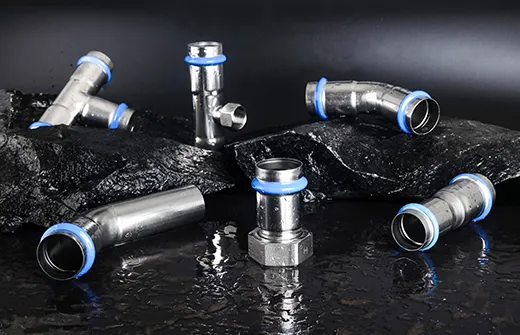
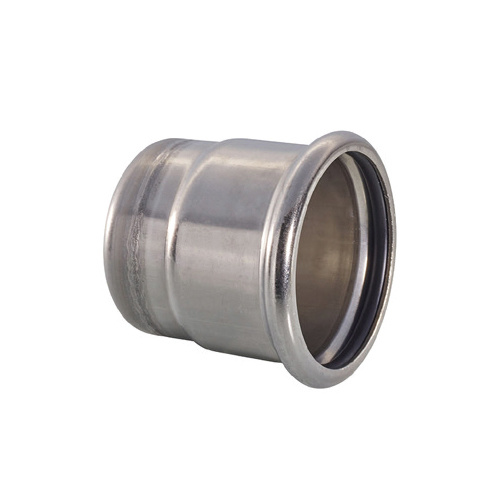
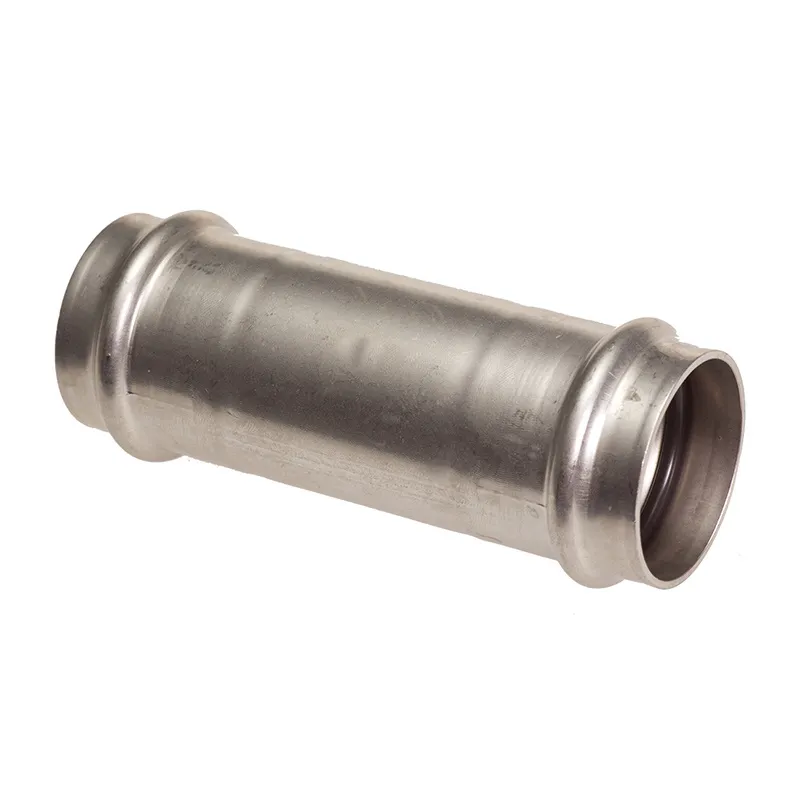
Slip couplings are versatile and essential components in various piping systems, particularly within the construction and decorating materials industry. These couplings provide a reliable method for connecting two sections of pipe, allowing for adjustments in length and alignment. Understanding the functionality and applications of slip couplings can significantly improve the efficiency of your projects.
At their core, slip couplings are designed to slide over the ends of two pipes, providing a secure joint while allowing for movement. This flexibility is particularly advantageous in scenarios where pipes may expand or contract due to temperature changes or when adjustments in alignment are needed. In contrast to traditional coupling methods, slip couplings offer ease of installation and can be utilized in tight spaces where conventional fittings might be difficult to work with.
One of the primary applications of slip couplings is in the installation of stainless steel pipes, which are commonly used in construction due to their durability and resistance to corrosion. When working with stainless steel piping systems, slip couplings enable professionals to create seamless connections without compromising the integrity of the system. This is particularly important in environments where hygiene and durability are paramount, such as in food processing facilities or chemical plants.
Moreover, slip couplings can also play a vital role in repair and maintenance tasks. If a section of piping becomes damaged or corroded, a slip coupling allows for the replacement of that segment without having to dismantle the entire piping system. This not only saves time but also reduces the risk of damaging other connected components during the repair process.
In terms of installation, it is crucial to ensure that the pipes being joined with a slip coupling are clean and free from debris. Proper alignment of the pipes before sliding the coupling into place is essential for achieving a secure connection. Additionally, when using slip couplings, it is advisable to use compatible materials to prevent galvanic corrosion that can occur when dissimilar metals are joined.
For professionals in the construction and decorating materials industry, understanding the nuances of slip couplings can enhance project outcomes significantly. Their ability to provide flexible, reliable connections while facilitating repairs makes them a valuable addition to any piping system. As you plan your next project, consider incorporating slip couplings to streamline installation processes and improve the overall performance of your piping infrastructure.
In conclusion, slip couplings are more than just a simple fitting; they are a critical component that can lead to increased efficiency and longevity in construction applications. By leveraging their unique properties, industry professionals can ensure the successful implementation of piping systems that meet both functional and aesthetic requirements.
Slip couplings are versatile and essential components in various piping systems, particularly within the construction and decorating materials industry. These couplings provide a reliable method for connecting two sections of pipe, allowing for adjustments in length and alignment. Understanding the functionality and applications of slip couplings can significantly improve the efficiency of your projects.
At their core, slip couplings are designed to slide over the ends of two pipes, providing a secure joint while allowing for movement. This flexibility is particularly advantageous in scenarios where pipes may expand or contract due to temperature changes or when adjustments in alignment are needed. In contrast to traditional coupling methods, slip couplings offer ease of installation and can be utilized in tight spaces where conventional fittings might be difficult to work with.
One of the primary applications of slip couplings is in the installation of stainless steel pipes, which are commonly used in construction due to their durability and resistance to corrosion. When working with stainless steel piping systems, slip couplings enable professionals to create seamless connections without compromising the integrity of the system. This is particularly important in environments where hygiene and durability are paramount, such as in food processing facilities or chemical plants.
Moreover, slip couplings can also play a vital role in repair and maintenance tasks. If a section of piping becomes damaged or corroded, a slip coupling allows for the replacement of that segment without having to dismantle the entire piping system. This not only saves time but also reduces the risk of damaging other connected components during the repair process.
In terms of installation, it is crucial to ensure that the pipes being joined with a slip coupling are clean and free from debris. Proper alignment of the pipes before sliding the coupling into place is essential for achieving a secure connection. Additionally, when using slip couplings, it is advisable to use compatible materials to prevent galvanic corrosion that can occur when dissimilar metals are joined.
For professionals in the construction and decorating materials industry, understanding the nuances of slip couplings can enhance project outcomes significantly. Their ability to provide flexible, reliable connections while facilitating repairs makes them a valuable addition to any piping system. As you plan your next project, consider incorporating slip couplings to streamline installation processes and improve the overall performance of your piping infrastructure.
In conclusion, slip couplings are more than just a simple fitting; they are a critical component that can lead to increased efficiency and longevity in construction applications. By leveraging their unique properties, industry professionals can ensure the successful implementation of piping systems that meet both functional and aesthetic requirements.
Latest News


Contact Information
Mobile/WeChat: +8613396691363
WhatsApp: +8613396691363
E-mail: warrior.wang@zjipcpiping.com
Address:Floor 47, Building A, International Trade Center, Ningbo Chamber of Commerce, No.558 of Taikangzhong Road, Yinzhou District, Ningbo, 315100 China
Follow Us on


SAF Coolest v1.3.1.1 设置面板 JPMSX-AVEW-UZZVE-ZSA
违禁词: 第一,最,一流,领先,独一无二,王者,龙头,领导者,极致,
无数据提示
Sorry, the current column is being updated, please stay tuned!
You can view other columns or return to the HOME