The Future of Construction: Embracing Press Fittings for a Sustainable Tomorrow
Jun 19,2026
The Future of Construction: Embracing Press Fittings
Table of Contents
- Introduction to Press Fittings in Construction
- What Are Press Fittings?
- Advantages of Using Press Fittings
- Applications of Press Fittings in Construction
- Installation Process for Press Fittings
- Sustainability and Environmental Impact
- Future Trends in Press Fittings Technology
- Conclusion
- Frequently Asked Questions
Introduction to Press Fittings in Construction
The construction industry is undergoing a significant transformation, driven by the need for efficiency, sustainability, and advanced technology. Press fittings have emerged as an innovative solution that meets these demands. By providing a seamless and reliable method for connecting pipes, press fittings are redefining traditional practices in construction, particularly in the realm of plumbing and piping systems.
What Are Press Fittings?
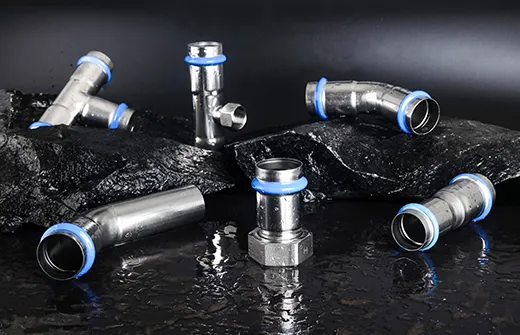
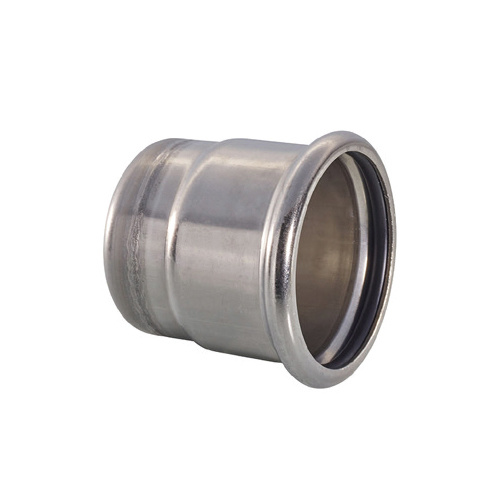
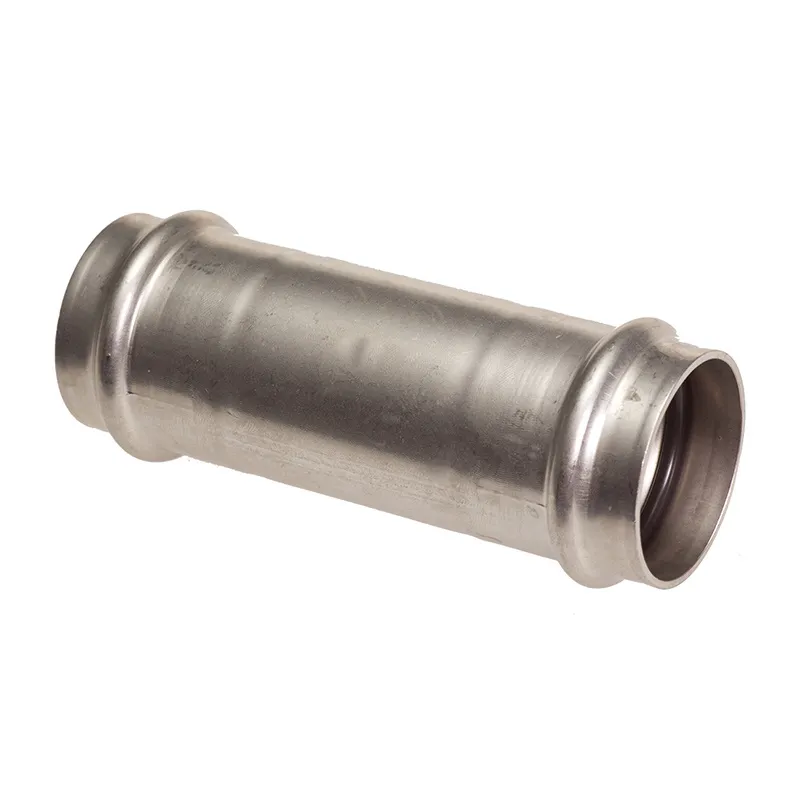
Press fittings are mechanical connectors used to join pipes together. Typically made from materials such as stainless steel or copper, they feature a unique design that enables quick and secure connections without the need for welding, soldering, or the use of heat. This technology utilizes a specialized pressing tool to create a strong, leak-proof seal between the pipe and the fitting.
The Components of Press Fittings
Press fittings consist of several key components:
- Fitting Body: The main component that connects to the pipe.
- Sealing Element: Often a rubber O-ring that ensures a tight seal.
- Pressing Surface: Designed to accommodate the pressing tool for secure attachment.
Advantages of Using Press Fittings
The adoption of press fittings comes with a multitude of advantages that cater to both construction professionals and end-users.
1. Speed and Efficiency
One of the most significant benefits of using press fittings is the speed of installation. The pressing process is considerably faster than traditional methods, allowing for reduced labor costs and shorter project timelines. By eliminating the need for welding or soldering, projects can progress more rapidly.
2. Leak Prevention
Press fittings form a leak-proof seal that mitigates the risk of water or gas leaks. This is especially crucial in plumbing systems, where even a minor leak can lead to significant damage. The reliability of press fittings enhances overall safety and reduces maintenance costs.
3. Versatility
Press fittings are suitable for various applications, including water supply, gas distribution, heating systems, and more. Their compatibility with different pipe materials makes them a versatile choice for construction projects of all sizes.
4. Reduced Need for Skilled Labor
Because press fittings require minimal training to install properly, they decrease reliance on highly skilled labor. This is particularly beneficial in areas experiencing labor shortages, allowing projects to proceed without delays.
Applications of Press Fittings in Construction
Press fittings are utilized in a range of construction projects due to their adaptability and efficiency. Here are some primary applications:
1. Residential Plumbing
In residential construction, press fittings are commonly used for water supply and heating systems. Their ease of installation and reliability make them a popular choice among plumbers. They ensure that homes have safe, efficient plumbing systems without the risks associated with traditional methods.
2. Commercial and Industrial Projects
Press fittings are also prevalent in commercial and industrial applications, where they facilitate the efficient transport of fluids and gases. Their ability to withstand high pressure and temperature makes them ideal for factories and large commercial buildings.
3. HVAC Systems
In heating, ventilation, and air conditioning (HVAC) systems, press fittings are used to connect pipes for refrigerants and water. Their reliability ensures optimal performance and energy efficiency in climate control systems.
4. Fire Protection Systems
Press fittings play a critical role in fire protection systems, connecting pipes that supply water to fire sprinklers. The leak-proof nature of press fittings is vital in ensuring that these systems function correctly during emergencies.
Installation Process for Press Fittings
The installation of press fittings is straightforward and can be broken down into several key steps:
1. Preparation
Before installation, ensure that all necessary tools and materials are on hand. The primary tool required is a pressing tool, specifically designed for the type of fittings being used. Ensure that pipes and fittings are clean and free of debris.
2. Cutting the Pipe
Cut the pipe to the desired length using appropriate cutting tools. It’s essential to ensure that the cut is straight and clean to prevent any issues during installation.
3. Inserting the Fitting
Insert the press fitting into the end of the pipe, ensuring that it is pushed in fully and that the pipe reaches the stop inside the fitting.
4. Pressing the Fitting
Using the pressing tool, apply pressure to the fitting according to the manufacturer's specifications. This action creates a secure, permanent connection.
5. Inspection
After installation, it’s crucial to inspect all connections for security and to verify that there are no leaks. Conducting a pressure test can help ensure that the system operates as intended.
Sustainability and Environmental Impact
As the construction industry increasingly focuses on sustainability, press fittings offer several environmental benefits:
1. Reduced Waste
The efficiency of press fittings minimizes material waste during installation. The precision of the fit reduces the need for additional materials or repairs, contributing to lower waste generation on construction sites.
2. Energy Efficiency
Press fittings enhance the energy efficiency of plumbing and HVAC systems. By ensuring leak-proof connections, they help maintain optimal system performance, which in turn reduces energy consumption and lowers emissions.
3. Longevity and Durability
Press fittings are designed to last, often outperforming traditional fittings in terms of durability. Their long lifespan contributes to sustainability by reducing the need for replacements and repairs over time.
Future Trends in Press Fittings Technology
The future of press fittings in construction is promising, with several emerging trends that could shape the industry:
1. Advanced Materials
Innovations in materials science are paving the way for stronger, lighter, and more corrosion-resistant press fittings. This will enhance the performance and longevity of piping systems in diverse environments.
2. Smart Technology Integration
As the construction industry embraces smart technology, integrating sensors into press fittings could enable real-time monitoring of piping systems. This would help in predictive maintenance and reduce the risk of leaks or failures.
3. Customization and Modular Solutions
Future designs may focus on customizable and modular press fitting systems that cater to specific project needs. This flexibility will allow construction professionals to optimize their designs for performance and efficiency.
4. Increased Adoption in Global Markets
As awareness of the benefits of press fittings grows, we can expect to see increased adoption in global markets. Education and training will be essential to empower workers in emerging regions to utilize this technology effectively.
Conclusion
The construction industry is at a crossroads, facing challenges that demand innovative solutions. Embracing press fittings presents an opportunity to improve efficiency, enhance safety, and promote sustainability in construction projects. As we look to the future, the continued evolution of press fittings technology promises to play a vital role in shaping the industry, ensuring that it meets the demands of a rapidly changing world. By adopting press fittings, construction professionals can lead the way toward a more efficient and sustainable future.
Frequently Asked Questions
1. What are the main benefits of using press fittings over traditional welding methods?
Press fittings offer faster installation, reduced labor costs, and eliminate the need for heat, making them safer and more efficient than welding.
2. Can press fittings be used with different types of pipes?
Yes, press fittings are compatible with various pipe materials, including copper, stainless steel, and PEX, making them versatile for multiple applications.
3. How do you ensure a proper installation of press fittings?
Proper installation can be ensured by using the correct pressing tool, following manufacturer guidelines, and conducting thorough inspections after installation.
4. Are press fittings environmentally friendly?
Yes, press fittings contribute to sustainability by reducing waste and improving energy efficiency in plumbing and HVAC systems.
5. What is the lifespan of press fittings?
Press fittings are designed for durability and can last for decades, often outlasting traditional fittings when properly installed and maintained.
Latest News


Contact Information
Mobile/WeChat: +8613396691363
WhatsApp: +8613396691363
E-mail: warrior.wang@zjipcpiping.com
Address:Floor 47, Building A, International Trade Center, Ningbo Chamber of Commerce, No.558 of Taikangzhong Road, Yinzhou District, Ningbo, 315100 China
Follow Us on


SAF Coolest v1.3.1.1 设置面板 JPMSX-AVEW-UZZVE-ZSA
无数据提示
Sorry, the current column is being updated, please stay tuned!
You can view other columns or return to the HOME