
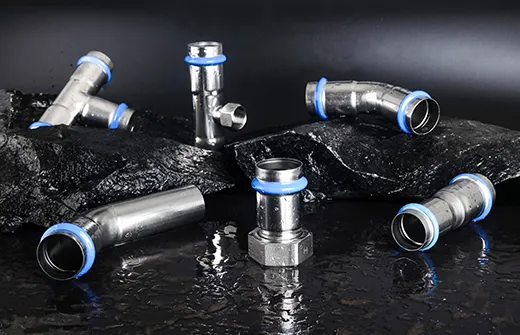
How Stainless Steel Pipes Enhance Structural Integrity: A Comprehensive Guide
Jun 13,2026
How Stainless Steel Pipes Enhance Structural Integrity
Table of Contents
- 1. Introduction to Stainless Steel Pipes
- 2. Benefits of Using Stainless Steel Pipes in Construction
- 3. Durability of Stainless Steel Pipes
- 4. Corrosion Resistance: A Critical Advantage
- 5. Applications of Stainless Steel Pipes in Architecture
- 6. Key Specifications of Stainless Steel Pipes
- 7. The Future of Stainless Steel Pipes in Construction
- 8. Frequently Asked Questions
- 9. Conclusion
1. Introduction to Stainless Steel Pipes
In the realm of construction and architecture, the choice of materials significantly impacts the overall quality and durability of structures. **Stainless steel pipes** have emerged as a prominent option due to their unique properties and versatility. As we delve deeper into this topic, we will explore how these pipes contribute to the structural integrity of buildings and other constructions.
Stainless steel, an alloy primarily made of iron, carbon, and chromium, is renowned for its strength and resistance to rust and corrosion. This combination makes it an ideal choice for various applications, particularly in harsh environments where durability is paramount. Understanding the benefits of stainless steel pipes allows architects, engineers, and builders to make informed decisions about their material choices.
2. Benefits of Using Stainless Steel Pipes in Construction
Stainless steel pipes offer numerous advantages, particularly in construction. Here are some key benefits that highlight their importance:
2.1 Strength and Load-Bearing Capacity
**Stainless steel pipes** possess exceptional strength, enabling them to withstand substantial loads and stresses. This property is critical in high-rise buildings, bridges, and infrastructure projects where safety is paramount. Their load-bearing capacity contributes to the overall stability of the structure.
2.2 Longevity and Low Maintenance
One of the most notable benefits of stainless steel pipes is their longevity. Unlike other materials that may degrade over time, stainless steel resists wear and tear, resulting in a longer lifespan. Their durability translates to lower maintenance costs, as they do not require frequent repairs or replacements.
2.3 Aesthetic Appeal
In addition to functional advantages, stainless steel pipes are visually appealing. Their sleek, modern appearance enhances the aesthetic value of architectural designs. Whether used in exposed applications or hidden within walls, these pipes add a touch of sophistication.
2.4 Eco-Friendly Option
Stainless steel is a recyclable material, making it an eco-friendly choice for construction. By utilizing stainless steel pipes, builders can contribute to sustainability efforts while maintaining structural integrity.
3. Durability of Stainless Steel Pipes
Durability is a critical factor in the construction industry, and **stainless steel pipes** excel in this regard. Their resistance to corrosion and rust ensures that they can withstand various environmental conditions, including extreme temperatures and humidity.
3.1 Impact Resistance
In addition to corrosion resistance, stainless steel pipes are also impact-resistant. This characteristic makes them suitable for applications in high-traffic areas or locations prone to physical damage.
3.2 Fatigue Resistance
**Fatigue resistance** is vital in structures that experience cyclic loading, such as bridges and pipelines. Stainless steel's ability to endure repeated stress without failure enhances the overall safety and reliability of constructions.
4. Corrosion Resistance: A Critical Advantage
Corrosion can significantly compromise the structural integrity of construction materials. However, stainless steel pipes are specifically designed to combat this issue.
4.1 The Role of Chromium
The presence of chromium in stainless steel is what grants it its corrosion-resistant properties. Chromium forms a protective oxide layer on the surface of the steel, preventing rust and deterioration even in harsh environments.
4.2 Applications in Harsh Environments
Due to their corrosion resistance, stainless steel pipes are ideal for applications in marine environments, chemical processing plants, and wastewater treatment facilities. Their ability to withstand aggressive environments ensures that structures remain safe and intact.
5. Applications of Stainless Steel Pipes in Architecture
The versatility of **stainless steel pipes** allows them to be used in a variety of applications within the architectural and construction sectors.
5.1 Structural Frameworks
Stainless steel pipes are commonly used in structural frameworks for buildings and bridges. Their strength and durability make them an ideal choice for supporting critical loads.
5.2 Plumbing and Piping Systems
In plumbing and piping systems, stainless steel pipes are preferred for their resistance to corrosion and hygiene standards. They are used for transporting water, gas, and other fluids.
5.3 Decorative Elements
Beyond functional applications, stainless steel pipes are also utilized in decorative elements like railings, balustrades, and architectural features. Their aesthetic appeal enhances the overall design of a structure.
6. Key Specifications of Stainless Steel Pipes
Understanding the specifications of stainless steel pipes is crucial for selecting the right type for specific applications.
6.1 Grades of Stainless Steel
Different grades of stainless steel offer varying levels of strength, corrosion resistance, and temperature tolerance. Common grades include 304 and 316, with 316 being more resistant to corrosion, particularly in marine environments.
6.2 Pipe Sizes and Thicknesses
Stainless steel pipes come in various sizes and thicknesses, allowing for customization based on project requirements. Proper sizing is essential for ensuring structural integrity and fluid flow efficiency.
6.3 Joining Techniques
Various techniques, such as welding and threading, can be employed to join stainless steel pipes. Understanding these techniques is essential for achieving secure and reliable connections.
7. The Future of Stainless Steel Pipes in Construction
As the construction industry continues to evolve, the demand for innovative and sustainable materials is increasing. Stainless steel pipes are poised to play a critical role in this transformation.
7.1 Advancements in Manufacturing
With advancements in manufacturing techniques, the production of stainless steel pipes is becoming more efficient and cost-effective. This trend is likely to enhance their adoption in various applications.
7.2 Integration with Smart Technology
The future may also see the integration of **smart technology** with stainless steel pipes, allowing for enhanced monitoring and maintenance. This innovation could further improve the structural integrity of buildings and infrastructure.
8. Frequently Asked Questions
8.1 What are the primary benefits of using stainless steel pipes in construction?
The primary benefits include durability, corrosion resistance, aesthetic appeal, and low maintenance requirements.
8.2 How do stainless steel pipes compare to other materials?
Stainless steel pipes outperform many materials in terms of strength, longevity, and resistance to environmental factors.
8.3 What are the common applications of stainless steel pipes?
Common applications include structural frameworks, plumbing systems, and decorative architectural elements.
8.4 How do I choose the right grade of stainless steel pipe for my project?
Choosing the right grade depends on the specific application, environmental conditions, and required strength. Consulting with a materials expert can provide valuable guidance.
8.5 Are stainless steel pipes environmentally friendly?
Yes, stainless steel pipes are recyclable and contribute to sustainable building practices, making them an eco-friendly choice.
9. Conclusion
**Stainless steel pipes** play an invaluable role in enhancing the structural integrity of buildings and other constructions. Their unique properties, including strength, durability, and corrosion resistance, make them an ideal choice for various applications. As the construction industry continues to evolve, the demand for these versatile pipes is likely to increase. By understanding the benefits, specifications, and applications of stainless steel pipes, architects and builders can make informed decisions that bolster the safety and longevity of their structures.
Latest News


Contact Information
Mobile/WeChat: +8613396691363
WhatsApp: +8613396691363
E-mail: warrior.wang@zjipcpiping.com
Address:Floor 47, Building A, International Trade Center, Ningbo Chamber of Commerce, No.558 of Taikangzhong Road, Yinzhou District, Ningbo, 315100 China
Follow Us on


SAF Coolest v1.3.1.1 设置面板 JPMSX-AVEW-UZZVE-ZSA
违禁词: 第一,最,一流,领先,独一无二,王者,龙头,领导者,极致,
无数据提示
Sorry, the current column is being updated, please stay tuned!
You can view other columns or return to the HOME