
The Critical Importance of Slip Couplings in Boosting Pipe Durability
Jun 07,2026
The Role of Slip Couplings in Enhancing Pipe Durability
Understanding Slip Couplings: A Fundamental Component
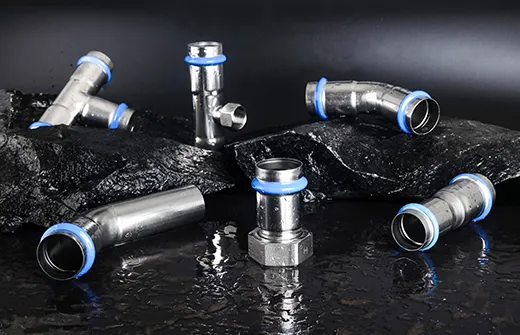
Slip couplings are a vital component in the world of plumbing and construction. They serve as connectors between two pipes, providing flexibility and durability in various applications. Unlike traditional couplings, which require precise alignment and a fixed fit, slip couplings offer a more forgiving solution. This flexibility is essential when installing or repairing pipelines, allowing for slight misalignments without compromising the integrity of the connection.
Key Benefits of Using Slip Couplings in Pipe Systems
1. Enhanced Flexibility for Pipe Installation
One of the primary advantages of slip couplings is their ability to accommodate small variations in pipe alignment. This flexibility significantly simplifies the installation process, particularly in complex piping systems. Installers can easily adjust the positioning of pipes without the need for extensive rework or additional fittings.
2. Improved Durability and Longevity
Slip couplings contribute to the long-term durability of pipe systems. Their design allows for a more robust connection that can withstand vibrations, thermal expansion, and other stressors that can lead to pipe failure. The coupling’s material, often high-quality stainless steel or durable plastic, further enhances its resistance to corrosion and wear.
3. Cost-Effectiveness in Repairs and Maintenance
When it comes to repairs, slip couplings provide a cost-effective solution. Their ease of installation means that repairs can be completed quickly, reducing labor costs and downtime. Additionally, because slip couplings can compensate for misalignments, they often eliminate the need for more expensive and time-consuming solutions.
4. Versatility Across Various Applications
Slip couplings are not limited to a single use case. They are ideal for a wide range of applications, from residential plumbing to industrial piping systems. Their ability to connect different pipe materials, such as PVC, copper, and stainless steel, makes them versatile in various environments.
The Construction of Slip Couplings: Materials and Design
1. Material Selection for Enhanced Performance
The performance of slip couplings largely depends on the materials used in their construction. High-quality materials such as stainless steel are preferred due to their strength and resistance to environmental factors. Additionally, certain slip couplings are designed with integrated seals that prevent leaking, further enhancing their durability.
2. Design Features That Facilitate Functionality
The design of slip couplings often includes features such as ridges or grooves that enhance grip and prevent slippage once installed. Some designs also incorporate features that allow for easier disengagement, making them particularly useful in systems that require frequent maintenance.
Applications of Slip Couplings in Different Industries
1. Residential Plumbing Systems
In residential settings, slip couplings are commonly used for connecting pipes in water supply and drainage systems. Their ability to accommodate slight deviations in alignment makes them particularly valuable during installation or renovation projects.
2. Commercial Construction Projects
Commercial projects often involve complex piping networks that require reliable and flexible connections. Slip couplings are ideal for these applications, providing the durability needed to withstand higher pressures and varying temperatures found in commercial systems.
3. Industrial Piping Solutions
In industrial settings, slip couplings can be vital for connecting pipes in manufacturing facilities, refineries, and chemical plants. The ability to resist corrosion and handle high-stress conditions makes them a preferred choice for many industrial applications.
Installation and Maintenance of Slip Couplings
1. Correct Installation Techniques
Proper installation of slip couplings is crucial for ensuring their effectiveness. Begin by cutting the pipes to the desired length and ensuring they are clean and free of debris. Slide the coupling onto one pipe, align the second pipe, and then slide the coupling into place, ensuring a snug fit. Proper alignment will maximize the coupling's ability to maintain a leak-free connection.
2. Routine Maintenance Practices
While slip couplings are designed to be durable, regular maintenance is essential to ensure long-term functionality. Inspect connections periodically for signs of wear, corrosion, or leaks. Any issues should be addressed promptly to avoid more significant problems down the line.
Common Concerns and Misconceptions about Slip Couplings
1. Are Slip Couplings Reliable?
One common misconception is that slip couplings are less reliable than traditional couplings. In reality, when installed correctly, they provide a dependable connection that can withstand various stresses. Their design often enhances reliability compared to rigid couplings, especially in dynamic environments.
2. Do Slip Couplings Require Special Tools for Installation?
Another concern is whether specialized tools are needed for installation. Most slip couplings can be installed using standard plumbing tools, making them accessible for both professionals and DIY enthusiasts alike. This ease of use further contributes to their popularity.
FAQs About Slip Couplings and Pipe Durability
1. What are slip couplings used for?
Slip couplings are used to connect two pipes, allowing for flexibility and alignment adjustments in various plumbing and construction applications.
2. How do slip couplings enhance pipe durability?
They provide a robust connection that can withstand vibrations and thermal expansion, reducing the likelihood of failure and leaks.
3. Can slip couplings be used with different pipe materials?
Yes, slip couplings can connect various materials, including PVC, copper, and stainless steel, making them versatile for many applications.
4. How do I install a slip coupling correctly?
To install, clean the pipe ends, slide the coupling onto one pipe, align the second pipe, and then slide the coupling until it fits snugly securing a leak-proof connection.
5. Do slip couplings require maintenance?
While designed for durability, regular inspections for wear or leaks are recommended to ensure long-term performance.
Conclusion: The Indispensable Role of Slip Couplings in Pipe Systems
Slip couplings play an essential role in enhancing the durability and flexibility of pipe systems across various applications. From residential plumbing to industrial piping solutions, their unique design offers numerous benefits, including ease of installation, improved durability, and cost-effectiveness in maintenance. As we continue to advance in construction and plumbing technologies, the importance of reliable components like slip couplings cannot be overstated. Understanding their application and maintenance will undoubtedly contribute to more resilient and efficient piping systems, ensuring longevity and reliability for years to come.
Latest News


Contact Information
Mobile/WeChat: +8613396691363
WhatsApp: +8613396691363
E-mail: warrior.wang@zjipcpiping.com
Address:Floor 47, Building A, International Trade Center, Ningbo Chamber of Commerce, No.558 of Taikangzhong Road, Yinzhou District, Ningbo, 315100 China
Follow Us on


SAF Coolest v1.3.1.1 设置面板 JPMSX-AVEW-UZZVE-ZSA
违禁词: 第一,最,一流,领先,独一无二,王者,龙头,领导者,极致,
无数据提示
Sorry, the current column is being updated, please stay tuned!
You can view other columns or return to the HOME