
Understanding the Essential Role of Stainless Steel Pipes in Construction
May 29,2026
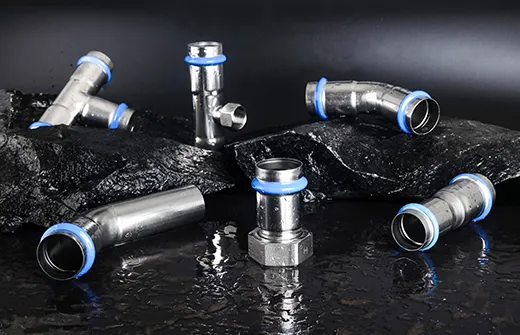
Stainless steel pipes are increasingly recognized as an essential component in the construction and decorative materials sector, particularly for building applications. Their unique properties set them apart from other materials, making them a versatile option for architects, engineers, and contractors alike. Here, we delve into several key aspects of stainless steel pipes that contribute to their popularity in the construction industry.
One of the most significant advantages of stainless steel pipes is their exceptional durability. Unlike traditional steel, which can rust and corrode over time, stainless steel is engineered to withstand the harshest environmental conditions. This characteristic is especially valuable in construction, where pipes are often exposed to moisture, chemicals, and extreme temperatures. The longevity of stainless steel pipes means they require less frequent replacement, making them a cost-effective choice in the long run.
Another critical benefit is the corrosion resistance of stainless steel pipes. This property not only protects the integrity of the pipes but also enhances the overall safety of the building. In environments where pipes may be exposed to water or corrosive substances, stainless steel pipes provide reliable protection against leaks and failures, ensuring that the structure remains sound and safe for occupants.
Aesthetic appeal is also a notable feature of stainless steel pipes. Their sleek, polished finish adds a modern touch to various architectural designs. Whether used in visible plumbing, handrails, or structural supports, stainless steel pipes can enhance the overall visual appeal of a building. This aesthetic versatility allows designers to incorporate stainless steel into a range of styles, from contemporary to industrial, seamlessly blending functionality with beauty.
In addition to these benefits, stainless steel pipes are also highly sustainable. They are recyclable and can be repurposed without losing their inherent properties, contributing to environmentally friendly building practices. This aspect is becoming increasingly important as the construction industry moves towards more sustainable materials and practices.
Installation is another factor where stainless steel pipes outshine many alternatives. They can be easily welded or joined together, providing seamless integration into existing structures or new builds. Additionally, the lighter weight of stainless steel compared to other metal pipes simplifies handling and reduces labor costs.
In summary, stainless steel pipes play a crucial role in the construction and decorative materials sector. Their durability, corrosion resistance, aesthetic appeal, and sustainability make them an ideal choice for a wide range of applications. As the construction industry continues to evolve, the demand for stainless steel pipes is likely to grow, further solidifying their importance in modern building practices. Whether you are looking to enhance the structural integrity of a project or improve its aesthetic value, stainless steel pipes offer a reliable and attractive solution.
One of the most significant advantages of stainless steel pipes is their exceptional durability. Unlike traditional steel, which can rust and corrode over time, stainless steel is engineered to withstand the harshest environmental conditions. This characteristic is especially valuable in construction, where pipes are often exposed to moisture, chemicals, and extreme temperatures. The longevity of stainless steel pipes means they require less frequent replacement, making them a cost-effective choice in the long run.
Another critical benefit is the corrosion resistance of stainless steel pipes. This property not only protects the integrity of the pipes but also enhances the overall safety of the building. In environments where pipes may be exposed to water or corrosive substances, stainless steel pipes provide reliable protection against leaks and failures, ensuring that the structure remains sound and safe for occupants.
Aesthetic appeal is also a notable feature of stainless steel pipes. Their sleek, polished finish adds a modern touch to various architectural designs. Whether used in visible plumbing, handrails, or structural supports, stainless steel pipes can enhance the overall visual appeal of a building. This aesthetic versatility allows designers to incorporate stainless steel into a range of styles, from contemporary to industrial, seamlessly blending functionality with beauty.
In addition to these benefits, stainless steel pipes are also highly sustainable. They are recyclable and can be repurposed without losing their inherent properties, contributing to environmentally friendly building practices. This aspect is becoming increasingly important as the construction industry moves towards more sustainable materials and practices.
Installation is another factor where stainless steel pipes outshine many alternatives. They can be easily welded or joined together, providing seamless integration into existing structures or new builds. Additionally, the lighter weight of stainless steel compared to other metal pipes simplifies handling and reduces labor costs.
In summary, stainless steel pipes play a crucial role in the construction and decorative materials sector. Their durability, corrosion resistance, aesthetic appeal, and sustainability make them an ideal choice for a wide range of applications. As the construction industry continues to evolve, the demand for stainless steel pipes is likely to grow, further solidifying their importance in modern building practices. Whether you are looking to enhance the structural integrity of a project or improve its aesthetic value, stainless steel pipes offer a reliable and attractive solution.
Latest News


Contact Information
Mobile/WeChat: +8613396691363
WhatsApp: +8613396691363
E-mail: warrior.wang@zjipcpiping.com
Address:Floor 47, Building A, International Trade Center, Ningbo Chamber of Commerce, No.558 of Taikangzhong Road, Yinzhou District, Ningbo, 315100 China
Follow Us on


SAF Coolest v1.3.1.1 设置面板 JPMSX-AVEW-UZZVE-ZSA
违禁词: 第一,最,一流,领先,独一无二,王者,龙头,领导者,极致,
无数据提示
Sorry, the current column is being updated, please stay tuned!
You can view other columns or return to the HOME