
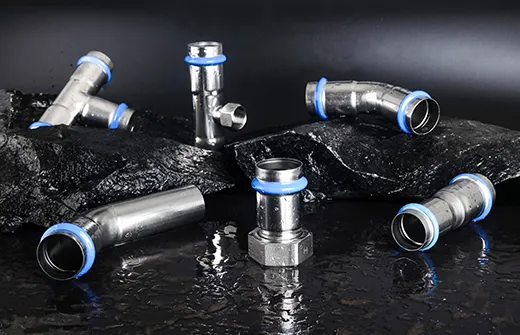
Exploring the Versatility of Slip Couplers in Building Projects
May 26,2026
Exploring the Versatility of Slip Couplers in Building Projects
Table of Contents
- 1. Introduction to Slip Couplers
- 2. What Are Slip Couplers?
- 3. Benefits of Using Slip Couplers in Construction
- 4. Applications of Slip Couplers in Building Projects
- 5. Installation Techniques for Slip Couplers
- 6. Maintenance and Care for Slip Couplers
- 7. Common Issues with Slip Couplers and Solutions
- 8. Future Trends in Slip Coupler Technology
- 9. Frequently Asked Questions
- 10. Conclusion
1. Introduction to Slip Couplers
In the world of construction, efficiency and reliability are paramount. One component that has significantly contributed to these goals is the **slip coupler**. This handy device not only simplifies the process of connecting pipes but also enhances the structural integrity of building projects. As we explore the versatility of slip couplers, we'll uncover their numerous benefits, applications, and the best practices for installation and maintenance.
2. What Are Slip Couplers?
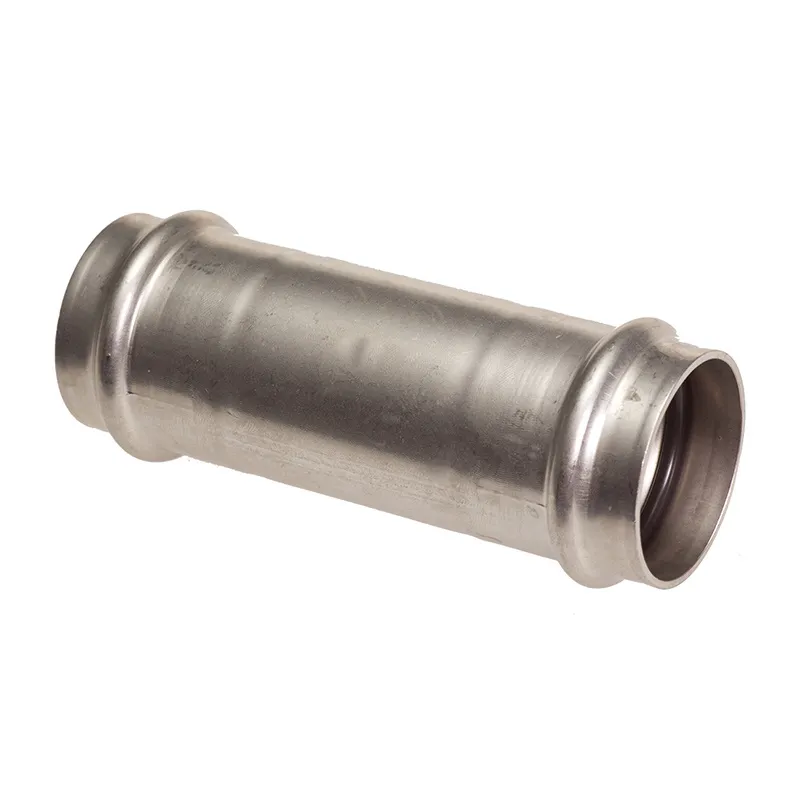
Slip couplers are specialized fittings designed to connect two lengths of pipe without the need for additional welding or threading. These devices allow for easy alignment and adjustments, making them particularly useful in **construction and plumbing applications**. Typically made from durable materials like stainless steel or PVC, slip couplers are engineered to withstand various environmental conditions while maintaining a secure connection.
How Slip Couplers Work
The design of a slip coupler includes a cylindrical shape that fits snugly over the ends of two pipes. By sliding the coupler over the pipe ends, builders can create a strong, reliable connection that is resistant to leaks and structural failure. This functionality is essential in ensuring that plumbing and HVAC systems operate efficiently.
3. Benefits of Using Slip Couplers in Construction
The use of slip couplers in construction brings several advantages that contribute to the overall success of building projects.
Time Efficiency
Using slip couplers can significantly reduce installation time. Since they do not require welding or extensive tools, laborers can complete connections quickly, saving both time and money.
Cost-Effectiveness
The simplicity of slip couplers also leads to lower installation costs. With less need for specialized labor or equipment, projects can stay within budget while maintaining high standards of quality.
Versatility
Slip couplers can be used in various applications, from residential plumbing to large-scale industrial projects. Their adaptability makes them a preferred choice for contractors who require reliable solutions across diverse settings.
Reduced Risk of Damage
As slip couplers create less stress on pipe joints, they can help reduce the risk of damage during installation and throughout the lifespan of the piping system.
4. Applications of Slip Couplers in Building Projects
Slip couplers have a wide array of applications across different industries, highlighting their versatility and reliability.
Plumbing Systems
In plumbing applications, slip couplers are commonly used to connect sections of pipes, allowing for easy adjustments and repairs. Their ability to create leak-free connections is essential in maintaining high water quality and pressure.
HVAC Systems
In HVAC installations, slip couplers facilitate the connection of ductwork and piping, ensuring efficient airflow and temperature control. Their ease of installation helps in maintaining a streamlined construction process.
Industrial Applications
For industrial projects, slip couplers are ideal for connecting large diameter pipes and facilitating quick modifications to existing systems. Their robustness ensures they can handle the demands of heavy-duty applications.
5. Installation Techniques for Slip Couplers
Proper installation of slip couplers is crucial for ensuring their effectiveness and longevity. Below are key steps to follow during the installation process.
Preparation
Before installation, ensure that the pipe ends are clean and free of debris. Inspect the pipes for any damage and make necessary repairs.
Measuring and Cutting
Measure the lengths of pipe accurately and cut them to the desired size. Be sure to use a pipe cutter for a clean, straight cut, which aids in a secure fit.
Sliding on the Coupler
Slide the slip coupler onto one pipe end, ensuring it fits snugly. Then, align the other pipe end with the coupler and slide it in.
Securing the Connection
Once both pipe ends are inside the slip coupler, ensure they are properly aligned. Depending on the application, additional securing methods may be employed, such as using clamps or adhesive.
6. Maintenance and Care for Slip Couplers
To ensure the longevity and performance of slip couplers, regular maintenance and care are essential.
Regular Inspections
Conduct routine inspections of slip couplers to identify any signs of wear or damage. Check for leaks and ensure that connections remain secure.
Cleaning
Keep slip couplers clean by removing any buildup of debris or corrosion. Use appropriate cleaning materials based on the coupler's material.
Replacement
If a slip coupler shows significant wear or damage, replace it immediately to prevent system failure and maintain overall performance.
7. Common Issues with Slip Couplers and Solutions
While slip couplers are generally reliable, certain issues can arise during their use. Here are common problems and potential solutions.
Leakage
One of the most common issues with slip couplers is leakage. This can occur due to improper installation or damage to the coupler. To resolve this, check the fit and alignment of the coupler, and replace it if necessary.
Corrosion
Corrosion can affect slip couplers, particularly those made from metal. Regular inspections and maintenance can help mitigate this issue. Applying protective coatings can also enhance durability.
Pipe Misalignment
Misalignment can lead to stress on the piping system. Ensure accurate measurements and cuts during installation to prevent this issue, and regularly check for alignment during use.
8. Future Trends in Slip Coupler Technology
As technology advances, the future of slip couplers looks promising. Emerging trends include:
Innovative Materials
The development of new materials that withstand extreme conditions while maintaining flexibility is on the horizon. These innovations will enhance the durability and efficiency of slip couplers.
Smart Coupling Systems
The integration of smart technology into slip couplers could lead to real-time monitoring of pressure and flow, enabling proactive maintenance and reducing the risk of failures.
Environmental Considerations
As sustainability becomes a priority, manufacturers are focusing on producing eco-friendly slip couplers. This shift will contribute to greener construction practices while maintaining performance standards.
9. Frequently Asked Questions
What materials are slip couplers made from?
Slip couplers can be made from various materials, including stainless steel, PVC, and other durable plastics, depending on the application requirements.
Can slip couplers be used for high-pressure applications?
Yes, slip couplers designed for high-pressure applications are available, often made from robust materials to ensure safety and reliability.
How can I tell if my slip couplers need replacing?
Signs that a slip coupler may need replacing include visible wear, frequent leaks, or issues with alignment.
Are slip couplers suitable for outdoor use?
Many slip couplers are designed for outdoor use and can withstand various environmental conditions. Always check the manufacturer's specifications.
Can I install slip couplers myself?
Yes, slip couplers are relatively easy to install, making them suitable for DIY projects. However, it’s essential to follow proper installation techniques to ensure a secure connection.
10. Conclusion
Slip couplers have proven to be an invaluable component in modern construction projects. Their ability to facilitate quick, reliable connections without compromising structural integrity makes them an essential tool for builders and contractors alike. With numerous benefits, versatile applications, and ongoing advancements in technology, slip couplers will undoubtedly continue to play a significant role in the world of construction. By understanding their functionality, installation techniques, and maintenance needs, professionals can effectively leverage slip couplers to enhance the efficiency and durability of their building projects.
Latest News


Contact Information
Mobile/WeChat: +8613396691363
WhatsApp: +8613396691363
E-mail: warrior.wang@zjipcpiping.com
Address:Floor 47, Building A, International Trade Center, Ningbo Chamber of Commerce, No.558 of Taikangzhong Road, Yinzhou District, Ningbo, 315100 China
Follow Us on


SAF Coolest v1.3.1.1 设置面板 JPMSX-AVEW-UZZVE-ZSA
违禁词: 第一,最,一流,领先,独一无二,王者,龙头,领导者,极致,
无数据提示
Sorry, the current column is being updated, please stay tuned!
You can view other columns or return to the HOME