Exploring the Efficiency of Press Fittings in Building Projects: A Comprehensive Guide
May 20,2026
Exploring the Efficiency of Press Fittings in Building Projects
Table of Contents
- 1. Introduction to Press Fittings
- 2. Advantages of Using Press Fittings
- 3. Common Applications of Press Fittings in Construction
- 4. The Installation Process of Press Fittings
- 5. Cost-Effectiveness of Press Fittings
- 6. Comparing Press Fittings to Other Connection Methods
- 7. Sustainability and Environmental Considerations
- 8. The Future of Press Fittings in Construction
- 9. Frequently Asked Questions
- 10. Conclusion
1. Introduction to Press Fittings
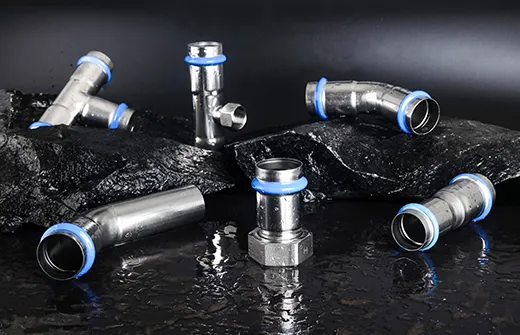
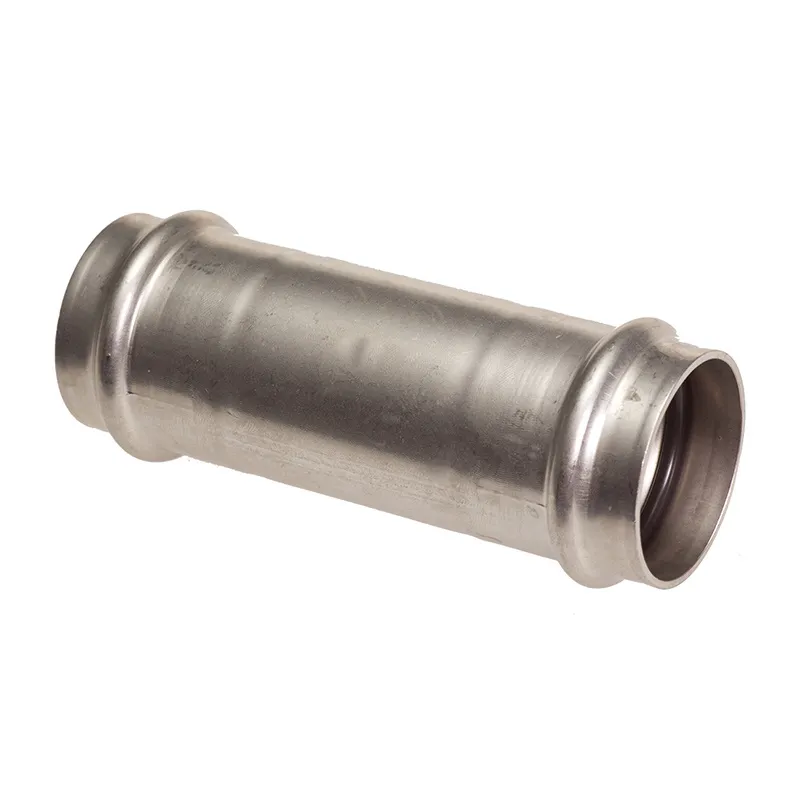
Press fittings, a rapidly growing solution in the construction industry, are crucial for joining pipes without the need for welding or soldering. These innovative mechanisms provide a secure, watertight seal, making them ideal for a variety of applications, including plumbing and HVAC systems. In recent years, they have gained popularity due to their efficiency and reliability, allowing builders to save on time and labor costs while ensuring durable connections.
As the construction industry evolves, the demand for efficient and effective solutions continues to rise. This article explores the multifaceted benefits of press fittings, how they are installed, and their overall impact on building projects.
2. Advantages of Using Press Fittings
Press fittings offer a myriad of advantages that enhance their efficiency and attractiveness for construction projects. Below are some key benefits:
2.1 Time Efficiency
One of the most significant advantages of press fittings is their ability to drastically reduce installation time. Traditional methods such as welding require extensive preparation and cooling time, whereas press fittings can be installed rapidly, allowing teams to move on to subsequent tasks sooner.
2.2 Labor Savings
With a simplified installation process, fewer skilled laborers are needed to carry out the job. This not only cuts labor costs but also mitigates the risk associated with more complex installation methods.
2.3 Reliability and Durability
Press fittings are designed to create a strong, leak-proof seal, ensuring long-lasting connections. The materials used in press fittings, often stainless steel, provide excellent corrosion resistance, making them suitable for both indoor and outdoor applications.
2.4 Versatility
Press fittings can be used across a diverse range of materials, including copper, stainless steel, and plastic. This versatility allows builders to utilize press fittings in various applications, from residential plumbing to industrial piping systems.
3. Common Applications of Press Fittings in Construction
The applications of press fittings are extensive, supporting various systems within construction projects.
3.1 Plumbing Systems
In plumbing, press fittings provide a quick and reliable means of connecting pipes. Their leak-proof seal is essential in preventing water damage and ensuring that systems operate efficiently.
3.2 HVAC Systems
Heating, ventilation, and air conditioning systems benefit from press fittings due to their ability to withstand high pressures and temperatures. This makes them an ideal choice for connecting different components within HVAC installations.
3.3 Fire Protection Systems
In fire protection systems, reliability is paramount. Press fittings provide secure connections that can handle the demands of fire suppression systems, ensuring they function effectively in emergencies.
3.4 Industrial Applications
Industries such as food and beverage, pharmaceuticals, and chemicals find press fittings advantageous for their sanitary and leak-proof qualities, which are critical for maintaining health and safety standards.
4. The Installation Process of Press Fittings
Understanding the installation process of press fittings is crucial for achieving optimal performance. Here is a step-by-step breakdown:
4.1 Preparation
Before installation, cut the pipes to the necessary lengths and ensure the surfaces are clean and free from debris. This step is vital for ensuring a proper seal.
4.2 Insertion of the Fitting
Insert the press fitting into the end of the pipe. Ensure that it is properly aligned to avoid any misalignment issues.
4.3 Pressing the Fitting
Using a hydraulic pressing tool, apply pressure to the fitting. This step compresses the fitting onto the pipe, creating a secure seal.
4.4 Inspection
Post-installation, inspect the connections to ensure that they have been properly pressed and are free from leaks. Conducting pressure tests may also be beneficial for verifying the integrity of the system.
5. Cost-Effectiveness of Press Fittings
The financial implications of using press fittings in construction are substantial.
5.1 Lower Material Costs
Although the initial cost of press fittings may be higher than traditional fittings, the overall savings in labor and installation time can lead to a more cost-effective approach.
5.2 Reduced Downtime
By minimizing the time spent on installation, projects can remain on schedule, avoiding costly delays that can occur with other joining methods.
5.3 Long-Term Savings
With their durability and reliability, press fittings contribute to lower maintenance costs over the lifespan of the installation, making them a wise investment for building projects.
6. Comparing Press Fittings to Other Connection Methods
When considering different methods for connecting pipes, press fittings stand out for several reasons.
6.1 Press Fittings vs. Welding
While welding creates a strong bond, it requires specialized training and equipment, often extending project timelines. Press fittings eliminate these challenges while providing comparable strength and durability.
6.2 Press Fittings vs. Soldering
Soldering involves using heat, which can be hazardous and time-consuming. Press fittings simplify this process, allowing for safer and quicker installations.
6.3 Press Fittings vs. Threaded Connections
Threaded connections can be prone to leaks and are more susceptible to corrosion over time. Press fittings offer a secure, leak-proof alternative that maintains its integrity longer.
7. Sustainability and Environmental Considerations
Sustainability is an increasingly important factor in construction. Press fittings contribute positively to this aspect in several ways.
7.1 Reduced Waste
The efficiency of press fittings results in less material waste compared to traditional methods. This not only conserves resources but also lessens the environmental impact associated with construction.
7.2 Longevity
Due to their durability, press fittings have a longer lifespan, which means fewer replacements and repairs over time. This contributes to a more sustainable building practice.
7.3 Energy Efficiency
The leak-proof nature of press fittings ensures that systems operate at optimal efficiency, reducing energy consumption and lowering overall carbon footprints.
8. The Future of Press Fittings in Construction
As technology continues to advance, the future of press fittings looks promising. Innovations in materials and pressing technology are likely to improve performance further.
8.1 Emerging Technologies
New developments in fitting designs and the integration of smart technology could enhance the efficiency and usability of press fittings in various applications.
8.2 Expanding Market Adoption
As awareness of the benefits of press fittings grows, their adoption across different sectors is expected to increase, further solidifying their place in modern construction practices.
9. Frequently Asked Questions
9.1 What are press fittings made of?
Press fittings are typically made from high-quality materials such as stainless steel, copper, or brass, ensuring durability and resistance to corrosion.
9.2 How long do press fittings last?
When installed correctly, press fittings can last for decades, providing a long-lasting solution for various piping systems.
9.3 Are press fittings suitable for gas applications?
Yes, many press fittings are specifically designed for gas applications, provided they meet relevant safety standards and regulations.
9.4 Can press fittings be reused?
Press fittings are generally not meant to be reused once they have been pressed. However, there are certain systems designed for disassembly that allow for reinstallation.
9.5 How do I know if a press fitting is installed correctly?
Proper installation includes ensuring the fitting is fully pressed, and visual inspections can help identify any potential leaks or misalignments.
10. Conclusion
Press fittings are revolutionizing the construction landscape by offering efficient, reliable, and versatile solutions for joining pipes. Their benefits—including reduced installation time, cost-effectiveness, and environmental sustainability—make them the preferred choice for modern building projects. As the industry continues to evolve, the adoption of press fittings is likely to increase, paving the way for more innovative applications in the future. Embracing this technology could lead to enhanced productivity and sustainability in construction, ultimately benefiting builders and clients alike.
Latest News


Contact Information
Mobile/WeChat: +8613396691363
WhatsApp: +8613396691363
E-mail: warrior.wang@zjipcpiping.com
Address:Floor 47, Building A, International Trade Center, Ningbo Chamber of Commerce, No.558 of Taikangzhong Road, Yinzhou District, Ningbo, 315100 China
Follow Us on


SAF Coolest v1.3.1.1 设置面板 JPMSX-AVEW-UZZVE-ZSA
违禁词: 第一,最,一流,领先,独一无二,王者,龙头,领导者,极致,
无数据提示
Sorry, the current column is being updated, please stay tuned!
You can view other columns or return to the HOME