
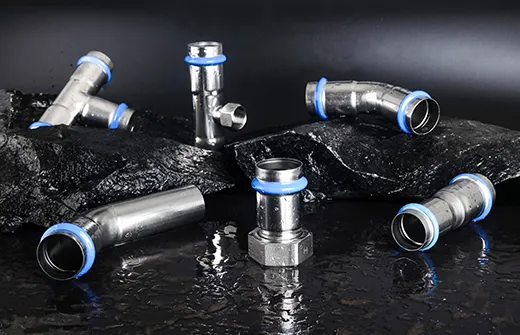
Exploring the Durability of Stainless Steel Pipes in Building Designs
May 14,2026
Exploring the Durability of Stainless Steel Pipes in Building Designs
Introduction: The Role of Stainless Steel Pipes in Construction
In the realm of construction, the materials used can profoundly impact the longevity, safety, and sustainability of a building. Among various options available, **stainless steel pipes have emerged as a premier choice** for architects and builders alike. Their unique properties not only enhance the structural integrity of buildings but also provide lasting durability in diverse environments.
Understanding Stainless Steel: Composition and Types
When examining the durability of stainless steel pipes, it’s essential to understand their composition. Stainless steel is an alloy primarily made up of iron, chromium, and, in some cases, nickel and molybdenum. The chromium content is what gives stainless steel its resistance to corrosion, ensuring that the pipes maintain their strength and appearance over time.
Common Types of Stainless Steel Used in Pipes
Stainless steel pipes are categorized into various grades. The most commonly used types in construction include:
- **304 Stainless Steel**: Known for its excellent corrosion resistance and weldability, 304 is ideal for a wide range of architectural applications.
- **316 Stainless Steel**: This type includes molybdenum, providing enhanced resistance to pitting and crevice corrosion, making it suitable for marine environments and chemical processing.
- **Duplex Stainless Steel**: Combining the properties of both austenitic and ferritic steels, duplex is known for its high strength and resistance to stress corrosion cracking.
The Advantages of Using Stainless Steel Pipes in Building Designs
The adoption of stainless steel pipes in construction brings forth numerous advantages that cater to modern building requirements.
1. Exceptional Corrosion Resistance
One of the standout features of stainless steel pipes is their **superior resistance to corrosion**. This characteristic is crucial in locations exposed to moisture, chemicals, and varying weather conditions. Unlike traditional carbon steel, stainless steel withstands the elements, leading to a longer lifespan and reduced maintenance costs.
2. High Strength-to-Weight Ratio
Stainless steel pipes exhibit a remarkable strength-to-weight ratio. This property allows engineers to design lighter structures without compromising on durability. The use of stainless steel can lead to significant savings in material costs and enhanced design flexibility.
3. Aesthetic Appeal
Stainless steel pipes not only perform well but also look great. Their sleek, modern appearance complements various architectural styles. Whether used in exposed frameworks or hidden plumbing, these pipes contribute to the overall aesthetic of a building.
4. Sustainability and Recyclability
In today’s construction landscape, sustainability is paramount. Stainless steel is entirely recyclable without loss of quality, making it an eco-friendly choice for building projects. Choosing stainless steel pipes contributes to **sustainable building practices**, supporting a circular economy.
Applications of Stainless Steel Pipes in Construction
The versatility of stainless steel pipes allows them to be employed in various applications, enhancing diverse building designs.
1. Structural Framework
In modern architecture, stainless steel pipes are increasingly used in structural frameworks. Their strength allows for innovative designs and can support larger spans, making them ideal for high-rise buildings and open spaces.
2. Plumbing and Mechanical Systems
Stainless steel pipes are a preferred choice for plumbing systems due to their corrosion resistance and hygiene. They are commonly used in both residential and commercial buildings for water supply and drainage systems, ensuring long-term performance.
3. Architectural Features
From railings to decorative elements, stainless steel pipes enhance the aesthetic quality of buildings. Their sleek finish and ability to resist tarnishing make them suitable for both interior and exterior applications.
4. HVAC Systems
In heating, ventilation, and air conditioning (HVAC) systems, stainless steel pipes offer durability and resistance to rust. They play a critical role in ensuring efficient energy transfer and maintaining air quality.
Factors Influencing the Durability of Stainless Steel Pipes
While stainless steel pipes are known for their resilience, several factors can influence their overall durability and performance.
1. Environmental Conditions
The environment in which stainless steel pipes are installed greatly impacts their longevity. Exposure to chlorides, high humidity, and extreme temperatures can lead to corrosion if not properly addressed.
2. Quality of Installation
Proper installation is paramount for the performance of stainless steel pipes. Inadequate welding or fitting can lead to failure points, compromising the system's integrity.
3. Maintenance Practices
Even though stainless steel pipes require less maintenance than other materials, regular inspections and simple cleaning can enhance their lifespan. Ensuring that the pipes are free from contaminants will help maintain their excellent properties.
4. Selection of Appropriate Grade
Choosing the right grade of stainless steel is critical. The specific environment and application should dictate the selection to ensure optimal performance and longevity.
Maintenance Tips for Stainless Steel Pipes
To maximize the durability of stainless steel pipes, implementing effective maintenance strategies is essential.
1. Regular Inspections
Schedule regular inspections to check for signs of corrosion, leaks, or visible damage. Early detection can prevent minor issues from escalating into significant problems.
2. Cleaning and Surface Care
Using appropriate cleaning agents can help maintain the appearance and prevent corrosion. Avoid abrasive cleaners that can scratch the surface, and instead opt for mild detergents and soft cloths.
3. Addressing Temperature Fluctuations
Rapid temperature changes can cause expansion and contraction in stainless steel pipes. Ensure that there are sufficient expansion joints in long runs of piping to accommodate this movement.
4. Protecting Against Contaminants
Ensure that the pipes are not exposed to harsh chemicals or substances that can lead to corrosion. Proper sealing and protective coatings may be required in specific environments.
Comparing Stainless Steel Pipes with Other Materials
When considering materials for construction, it is vital to understand how stainless steel pipes stack up against alternatives like copper, PVC, and carbon steel.
1. Stainless Steel vs. Copper
While copper is known for its antibacterial properties and ease of installation, it is susceptible to corrosion and requires more maintenance over time. Stainless steel, in contrast, offers enhanced durability and is more cost-effective in the long term.
2. Stainless Steel vs. PVC
PVC pipes are lightweight and low-cost but lack the durability and heat resistance of stainless steel. In high-pressure situations or extreme temperatures, stainless steel outperforms PVC significantly.
3. Stainless Steel vs. Carbon Steel
Carbon steel is strong but prone to rust and corrosion when not properly coated. Stainless steel pipes eliminate the need for protective coatings due to their inherent corrosion resistance, making them a more reliable choice.
FAQs About Stainless Steel Pipes in Building Designs
1. What are the main benefits of using stainless steel pipes in construction?
Stainless steel pipes offer exceptional corrosion resistance, high strength-to-weight ratios, aesthetic appeal, and sustainability due to their recyclability.
2. How do I maintain stainless steel pipes?
Regular inspections, cleaning with mild detergents, and protection against harsh chemicals are essential to maintain stainless steel pipes.
3. What environments are suitable for stainless steel pipes?
Stainless steel pipes are suitable for various environments, including coastal areas, chemical facilities, and residential plumbing systems.
4. Can stainless steel pipes be used for both hot and cold water systems?
Yes, stainless steel pipes are suitable for both hot and cold water applications due to their excellent thermal and mechanical properties.
5. How do I choose the right grade of stainless steel for my project?
Consider the environment, application, and required strength when selecting the stainless steel grade to ensure optimal performance and durability.
Conclusion: The Future of Stainless Steel Pipes in Building Designs
In conclusion, stainless steel pipes represent a forward-thinking choice in modern construction. Their unparalleled durability, aesthetic versatility, and sustainable nature position them as a vital component of future building designs. As we continue to innovate in construction practices, the adoption of stainless steel ensures that structures remain resilient and environmentally responsible. Embracing stainless steel pipes not only enhances the integrity of buildings but also supports a commitment to sustainability and architectural excellence.
Latest News


Contact Information
Mobile/WeChat: +8613396691363
WhatsApp: +8613396691363
E-mail: warrior.wang@zjipcpiping.com
Address:Floor 47, Building A, International Trade Center, Ningbo Chamber of Commerce, No.558 of Taikangzhong Road, Yinzhou District, Ningbo, 315100 China
Follow Us on


SAF Coolest v1.3.1.1 设置面板 JPMSX-AVEW-UZZVE-ZSA
违禁词: 第一,最,一流,领先,独一无二,王者,龙头,领导者,极致,
无数据提示
Sorry, the current column is being updated, please stay tuned!
You can view other columns or return to the HOME