Top Tips for Choosing the Right Slip Coupling for Your Building Needs
May 08,2026
Top Tips for Choosing the Right Slip Coupling for Your Building Needs
Understanding Slip Couplings in Construction
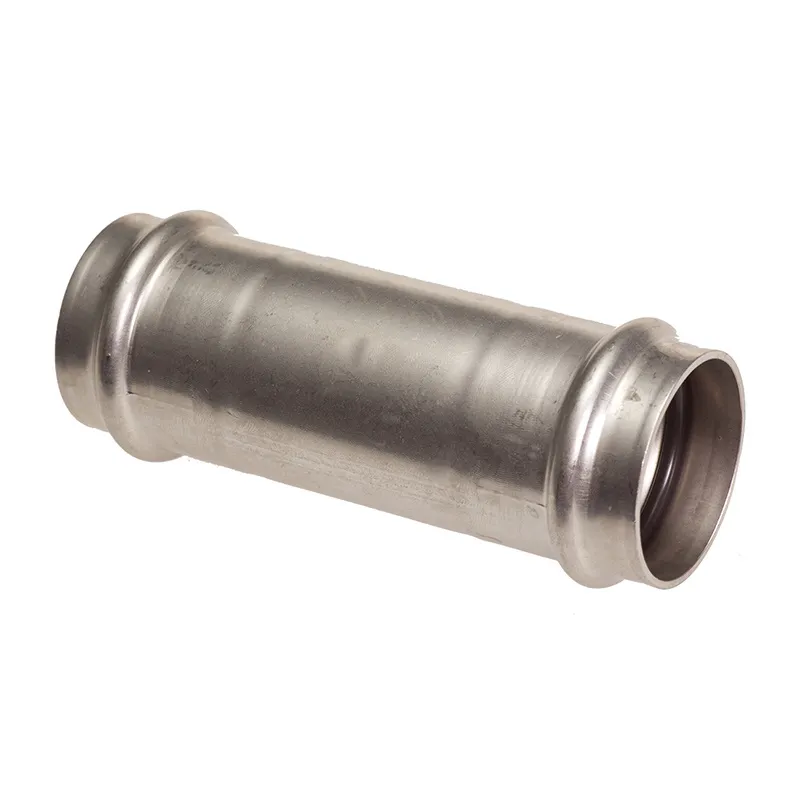
Slip couplings play a crucial role in plumbing and piping systems, allowing for the easy connection and disconnection of pipes. Their design facilitates adjustments and repairs without requiring extensive dismantling. Understanding the function and application of slip couplings is the first step in choosing the right type for your building needs.
The Importance of Material Selection
When selecting a slip coupling, the material should be a primary consideration. Various materials offer different benefits:
1. Stainless Steel Slip Couplings
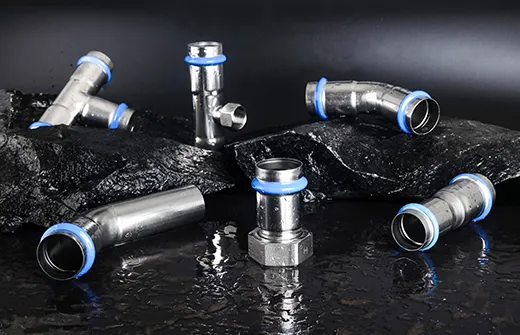
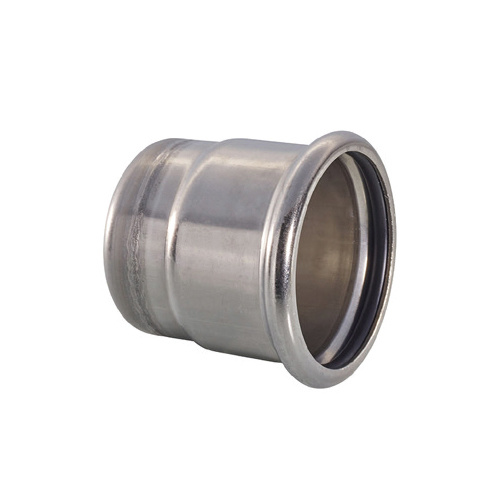
Stainless steel is known for its durability and resistance to corrosion. This makes it a top choice for environments that may expose the coupling to moisture or harsh chemicals. Ideal for both residential and industrial applications, stainless steel slip couplings ensure longevity and reliability.
2. PVC Slip Couplings
PVC is lightweight and resistant to many chemicals, making it suitable for plastic piping systems. These couplings are easier to install and are typically more affordable than metal options. However, they may not withstand high temperatures or significant pressure as effectively as metal couplings.
3. Copper Slip Couplings
Copper slip couplings are often preferred in plumbing applications due to their ability to conduct heat and resist corrosion. They are particularly effective in hot water systems. However, the cost can be higher, and they may require soldering for installation.
Assessing Pipe Compatibility
Before purchasing a slip coupling, it is vital to assess the compatibility with existing pipes. Ensuring the correct size and type will prevent leaks and ensure a secure fit.
Pipe Diameter and Material Compatibility
Measure the diameter of the pipes you are working with. Slip couplings should fit snugly without excessive force. Additionally, compatibility between materials is crucial. For example, a PVC slip coupling should not be used with metal pipes without proper adapters.
Evaluating Pressure Ratings
Every slip coupling comes with a specified pressure rating. This rating indicates the maximum pressure that the coupling can handle without risking failure.
Understanding Pressure Requirements in Your Project
It is essential to consider the pressure requirements of your building project. If the slip coupling is used in a high-pressure system, overestimating its capabilities could lead to catastrophic failures. Always consult product specifications and choose couplings that meet or exceed your project’s pressure requirements.
Installation Techniques and Considerations
Proper installation techniques can significantly impact the performance and longevity of slip couplings.
Preparing the Pipes for Installation
Clean the edges of the pipes to ensure a snug fit. Remove any debris, dirt, or old adhesive residues. For metal pipes, consider using a wire brush for a clean surface. This preparation step is critical to ensure a leak-proof connection.
Sealing and Securing the Connection
In some cases, applying a sealant or adhesive may be necessary, especially for plastic pipes. Be sure to follow manufacturer instructions to avoid damaging the coupling or pipe. Tightening the coupling without excessive force is important to maintain the integrity of the connection.
Cost Considerations and Budgeting
Budgeting for slip couplings and related materials is an essential aspect of any construction project.
Comparing Costs Across Materials
While stainless steel couplings may be more expensive upfront, their longevity can lead to cost savings in the long run. On the other hand, PVC couplings may seem more affordable initially but could require replacement more often in demanding environments.
Budgeting for Installation Costs
Don’t forget to factor in labor costs when budgeting for slip couplings. If you are hiring professional contractors, ensure that their fees include installation. For DIY enthusiasts, be realistic about the time and effort required for installation.
Compliance with Building Codes
In construction, adhering to local building codes is non-negotiable. Slip couplings must meet specific standards to ensure safety and efficiency.
Researching Local Regulations
Before selecting slip couplings, familiarize yourself with local building regulations regarding materials and installation methods. Many areas have specific codes that dictate which materials can be used in plumbing and drainage systems.
Choosing Couplings that Meet Industry Standards
Look for couplings that are certified by relevant industry standards organizations. This certification indicates that the product has been tested for safety and reliability.
Frequently Asked Questions (FAQs)
1. What is a slip coupling, and how is it different from a regular coupling?
A slip coupling is designed to connect two pipes while allowing for adjustments. Unlike regular couplings, which typically provide a permanent or fixed connection, slip couplings allow for movement and flexibility.
2. Can I use a slip coupling for all pipe materials?
No, compatibility is crucial. Ensure that the slip coupling you choose is compatible with the specific materials of the pipes you are working with.
3. What tools do I need for installing a slip coupling?
Basic tools required may include a pipe cutter, measuring tape, and possibly a heat source if you are working with PVC or copper. Always follow specific installation instructions provided by the manufacturer.
4. How do I know the right size slip coupling to purchase?
Measure the diameter of the pipes you are connecting. Slip couplings should match this diameter for a secure fit.
5. Are there any maintenance tips for slip couplings?
Regularly inspect your slip couplings for signs of wear, corrosion, or leaks. Ensure that any visible signs of damage are addressed promptly to prevent further issues.
Conclusion
Choosing the right slip coupling for your building needs involves careful consideration of materials, compatibility, pressure ratings, and local regulations. By following the tips outlined in this guide, you can ensure that your plumbing and piping systems are not only efficient but also compliant and durable. Remember, investing time in selecting the right slip coupling can lead to long-term savings and fewer maintenance issues, making your construction project a successful endeavor.
Latest News


Contact Information
Mobile/WeChat: +8613396691363
WhatsApp: +8613396691363
E-mail: warrior.wang@zjipcpiping.com
Address:Floor 47, Building A, International Trade Center, Ningbo Chamber of Commerce, No.558 of Taikangzhong Road, Yinzhou District, Ningbo, 315100 China
Follow Us on


SAF Coolest v1.3.1.1 设置面板 JPMSX-AVEW-UZZVE-ZSA
违禁词: 第一,最,一流,领先,独一无二,王者,龙头,领导者,极致,
无数据提示
Sorry, the current column is being updated, please stay tuned!
You can view other columns or return to the HOME