
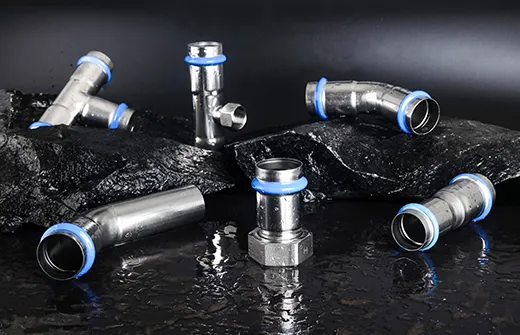
Innovative Architectural Trends Featuring Stainless Steel Tubes
Apr 20,2026
Innovative Architectural Trends Featuring Stainless Steel Tubes
Table of Contents
- 1. Introduction to Stainless Steel Tubes in Architecture
- 2. Benefits of Using Stainless Steel Tubes in Construction
- 3. Design Trends Incorporating Stainless Steel Tubes
- 4. Sustainability and Stainless Steel: A Perfect Match
- 5. Notable Architectural Projects Featuring Stainless Steel Tubes
- 6. The Future of Stainless Steel in Architectural Design
- 7. Challenges in Using Stainless Steel Tubes
- 8. FAQs About Stainless Steel Tubes in Architecture
- 9. Conclusion
1. Introduction to Stainless Steel Tubes in Architecture
Stainless steel tubes have emerged as a fundamental element in modern architecture, offering a blend of aesthetic appeal and functional strength. Architects and designers are increasingly turning to this material to create stunning structures that are not only visually striking but also durable and sustainable. The versatility of stainless steel allows it to be utilized in diverse applications, from structural frameworks to decorative elements, making it a favored choice in contemporary architectural practices.
2. Benefits of Using Stainless Steel Tubes in Construction
Durability and Longevity
One of the standout features of stainless steel is its **exceptional durability**. Resistant to rust, corrosion, and staining, stainless steel tubes can withstand harsh environmental conditions without compromising their structural integrity. This longevity translates to lower maintenance costs over time, making it a worthy investment for any construction project.
Aesthetic Versatility
Stainless steel tubes provide a **sleek and modern aesthetic** that can elevate any design. Available in various finishes, such as brushed, polished, or mirror, they can seamlessly blend with other materials like glass, wood, and concrete. This aesthetic versatility enables architects to achieve their creative visions without limitations.
Lightweight Yet Strong
Despite their strength, stainless steel tubes are relatively lightweight compared to other structural materials. This characteristic allows for **easier transportation and installation**, reducing labor costs and project timelines. The strength-to-weight ratio of stainless steel makes it ideal for intricate designs that require both stability and ease of handling.
Eco-Friendly Choice
In an era where sustainability is paramount, stainless steel stands out as an **environmentally friendly option**. Recyclable and produced with less energy than many other materials, the use of stainless steel tubes supports sustainable building practices. Investing in stainless steel not only benefits the structure but also contributes to a greener planet.
3. Design Trends Incorporating Stainless Steel Tubes
Minimalist Architecture
The minimalist movement has gained significant traction in recent years, emphasizing simplicity and functionality. Stainless steel tubes are often used as structural supports in minimalist designs, creating open spaces that feel uncluttered yet functional. Their clean lines and reflective surfaces contribute to the overall aesthetic of minimalism.
Industrial Style
The industrial design aesthetic embraces raw materials and utilitarian elements, making stainless steel an ideal fit. Stainless steel tubes are frequently featured in exposed structural elements, railings, and light fixtures, enhancing the rugged charm of industrial spaces. This trend celebrates the beauty of materials, allowing the inherent qualities of stainless steel to shine.
Biophilic Design
As architecture increasingly seeks to connect occupants with nature, biophilic design has become a vital trend. Stainless steel tubes can be incorporated into green structures, supporting living walls, rooftop gardens, and other natural elements. Their durability ensures that these installations endure while contributing to a harmonious blend of indoor and outdoor environments.
Dynamic Facades
Architects are leveraging stainless steel tubes to create dynamic and visually captivating facades. The play of light on the reflective surfaces of stainless steel adds depth and interest to building exteriors. These facades can be designed to change appearance with varying light conditions, making each view of the building a unique experience.
4. Sustainability and Stainless Steel: A Perfect Match
Sustainable architecture aims to minimize environmental impact while maximizing resource efficiency. Stainless steel tubes align perfectly with this goal due to their **recyclability and energy efficiency** during production. Additionally, the longevity of stainless steel means that structures built with this material require less frequent replacement, further reducing waste.
Lifecycle Assessment
Conducting a lifecycle assessment of stainless steel tubes reveals their low environmental impact compared to other materials. From production through to end-of-life recycling, stainless steel performs remarkably well. It can be recycled indefinitely without losing quality, making it a sustainable choice for future generations.
Energy Efficiency
Incorporating stainless steel tubes into architectural designs can enhance energy efficiency. Their thermal properties can contribute to better insulation, reducing energy consumption for heating and cooling. Architects can optimize these properties to create energy-efficient buildings that align with modern sustainability standards.
5. Notable Architectural Projects Featuring Stainless Steel Tubes
The Beijing National Stadium (Bird’s Nest)
The Bird's Nest, designed for the 2008 Olympics, showcases the innovative use of stainless steel tubes in its intricate structure. The lattice design not only provides aesthetic appeal but also ensures structural integrity, allowing for a vast open space that can accommodate thousands of spectators.
The Guggenheim Museum Bilbao
Frank Gehry’s iconic design for the Guggenheim Museum in Bilbao integrates stainless steel tubes that create stunning curves and forms. The reflective quality of the stainless steel enhances the museum's connection to the surrounding landscape, demonstrating how this material can be both functional and artistic.
The Vessel, Hudson Yards
The Vessel in New York City is a striking example of modern architecture utilizing stainless steel tubes. This honeycomb-like structure invites visitors to explore its intricate pathways while showcasing the strength and flexibility of stainless steel as an architectural material.
6. The Future of Stainless Steel in Architectural Design
As technology advances, the potential applications of stainless steel tubes in architecture will continue to expand. Innovations in fabrication techniques and design software allow for more complex and creative uses of stainless steel. The future will likely see even more **integrated systems** that combine sustainability with aesthetic appeal.
7. Challenges in Using Stainless Steel Tubes
While stainless steel offers numerous benefits, there are challenges to consider. The initial cost can be higher than alternative materials, which may deter some builders. Additionally, specialized knowledge and skills are required to work with stainless steel effectively. Overcoming these challenges will be key to broadening its use in architecture.
8. FAQs About Stainless Steel Tubes in Architecture
What makes stainless steel a preferred material in architecture?
Stainless steel's durability, aesthetic versatility, and sustainability make it a popular choice. Its resistance to corrosion and low maintenance needs enhance its appeal for long-term projects.
How does the cost of stainless steel compare to other materials?
While the initial cost of stainless steel may be higher, its longevity and low maintenance requirements can make it more cost-effective over time when compared to cheaper materials.
Can stainless steel tubes be recycled?
Yes, stainless steel is fully recyclable without losing quality. This contributes to its sustainability and makes it an eco-friendly choice for construction.
What types of architectural designs benefit most from stainless steel tubes?
Stainless steel tubes are particularly beneficial in minimalist, industrial, and biophilic designs, where strength and aesthetic appeal are essential.
Are there any downsides to using stainless steel tubes in construction?
Challenges include higher initial costs and the need for specialized knowledge for installation. However, the long-term benefits often outweigh these concerns.
9. Conclusion
In summary, the integration of **stainless steel tubes** into architectural design is paving the way for innovative trends that prioritize sustainability, aesthetic appeal, and structural integrity. As we move forward, embracing this versatile material will not only enhance the beauty of our built environment but also contribute to a more sustainable future. The potential of stainless steel is vast, and its application in architecture will undoubtedly continue to evolve, inspiring generations of architects to push the boundaries of design.
Latest News


Contact Information
Mobile/WeChat: +8613396691363
WhatsApp: +8613396691363
E-mail: warrior.wang@zjipcpiping.com
Address:Floor 47, Building A, International Trade Center, Ningbo Chamber of Commerce, No.558 of Taikangzhong Road, Yinzhou District, Ningbo, 315100 China
Follow Us on


SAF Coolest v1.3.1.1 设置面板 JPMSX-AVEW-UZZVE-ZSA
违禁词: 第一,最,一流,领先,独一无二,王者,龙头,领导者,极致,
无数据提示
Sorry, the current column is being updated, please stay tuned!
You can view other columns or return to the HOME