
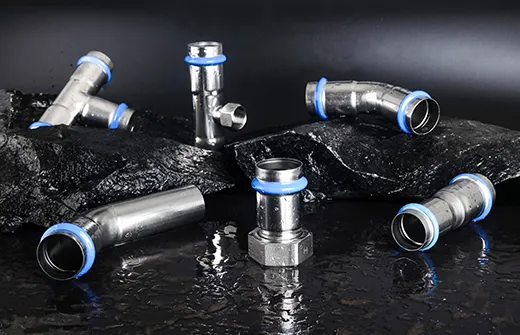
Exploring the Versatility and Benefits of Stainless Steel Tubes in Construction
Apr 17,2026
Stainless steel tubes are widely recognized for their exceptional resistance to corrosion, making them an ideal choice for various construction applications. Unlike traditional steel, which can succumb to rust and deterioration when exposed to moisture, stainless steel's unique composition includes chromium, which forms a protective layer on the surface. This property not only enhances the longevity of the material but also reduces maintenance costs over time, a significant advantage in both residential and commercial projects.
The versatility of stainless steel tubes extends beyond their durability. They come in various shapes and sizes, including round, square, and rectangular, allowing architects and builders to explore a range of design options. Whether used for structural support, railings, or decorative elements, stainless steel tubes can seamlessly integrate into different architectural styles, from modern to traditional. Their sleek appearance adds a touch of sophistication, making them a popular choice for high-end projects.
In addition to aesthetic benefits, the strength of stainless steel tubes is another reason for their prevalence in construction. They can withstand considerable weight and pressure, making them suitable for load-bearing applications. This characteristic is particularly important for buildings and infrastructure that require robust materials capable of enduring various environmental stresses.
Furthermore, stainless steel tubes are also eco-friendly. They are 100% recyclable, reducing the need for new raw materials and minimizing environmental impact. This aligns with the growing trend towards sustainable building practices, where the choice of materials plays a critical role in overall project sustainability.
When considering stainless steel tubes for construction projects, it is essential to recognize the importance of proper selection based on specific project requirements. Factors such as tube diameter, wall thickness, and grade of stainless steel can significantly influence performance and cost-effectiveness. Therefore, consulting with professionals who have expertise in material selection and application is advisable.
In conclusion, stainless steel tubes represent a compelling option in the construction and decorative materials sector. Their resistance to corrosion, versatility in design, strength, and eco-friendliness make them an invaluable choice for architects and builders aiming for both functionality and aesthetic appeal. As the building industry continues to evolve, the role of stainless steel tubes is likely to expand, paving the way for innovative construction solutions.
The versatility of stainless steel tubes extends beyond their durability. They come in various shapes and sizes, including round, square, and rectangular, allowing architects and builders to explore a range of design options. Whether used for structural support, railings, or decorative elements, stainless steel tubes can seamlessly integrate into different architectural styles, from modern to traditional. Their sleek appearance adds a touch of sophistication, making them a popular choice for high-end projects.
In addition to aesthetic benefits, the strength of stainless steel tubes is another reason for their prevalence in construction. They can withstand considerable weight and pressure, making them suitable for load-bearing applications. This characteristic is particularly important for buildings and infrastructure that require robust materials capable of enduring various environmental stresses.
Furthermore, stainless steel tubes are also eco-friendly. They are 100% recyclable, reducing the need for new raw materials and minimizing environmental impact. This aligns with the growing trend towards sustainable building practices, where the choice of materials plays a critical role in overall project sustainability.
When considering stainless steel tubes for construction projects, it is essential to recognize the importance of proper selection based on specific project requirements. Factors such as tube diameter, wall thickness, and grade of stainless steel can significantly influence performance and cost-effectiveness. Therefore, consulting with professionals who have expertise in material selection and application is advisable.
In conclusion, stainless steel tubes represent a compelling option in the construction and decorative materials sector. Their resistance to corrosion, versatility in design, strength, and eco-friendliness make them an invaluable choice for architects and builders aiming for both functionality and aesthetic appeal. As the building industry continues to evolve, the role of stainless steel tubes is likely to expand, paving the way for innovative construction solutions.
Latest News


Contact Information
Mobile/WeChat: +8613396691363
WhatsApp: +8613396691363
E-mail: warrior.wang@zjipcpiping.com
Address:Floor 47, Building A, International Trade Center, Ningbo Chamber of Commerce, No.558 of Taikangzhong Road, Yinzhou District, Ningbo, 315100 China
Follow Us on


SAF Coolest v1.3.1.1 设置面板 JPMSX-AVEW-UZZVE-ZSA
违禁词: 第一,最,一流,领先,独一无二,王者,龙头,领导者,极致,
无数据提示
Sorry, the current column is being updated, please stay tuned!
You can view other columns or return to the HOME