
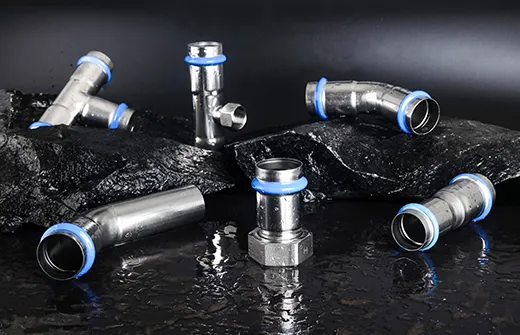
The Essential Guide to Stainless Steel Pipes in Construction and Decoration
Apr 11,2026
Stainless steel pipes are crucial components in the building and decoration materials sector, especially within construction environments. Their unique properties, such as corrosion resistance, strength, and aesthetic appeal, make them ideal for a variety of applications. This article delves into the benefits and uses of stainless steel pipes, providing valuable insights for professionals in the industry.
One of the primary advantages of stainless steel pipes is their resistance to corrosion. This characteristic is particularly important in construction, where materials are often exposed to moisture, chemicals, and varying weather conditions. Unlike traditional steel, which can rust and degrade over time, stainless steel maintains its integrity and appearance even in harsh environments. This longevity not only reduces maintenance costs but also enhances the overall life span of the structures that utilize these pipes.
Furthermore, stainless steel pipes are known for their strength-to-weight ratio. They offer the same sturdiness as other materials while being lighter, which can lead to easier installation and reduced structural load. This makes them an excellent choice for both structural and decorative purposes in buildings. When used in frameworks, railings, or decorative elements, stainless steel pipes add modernity and elegance to architectural designs.
In addition to their practical benefits, stainless steel pipes are also valued for their aesthetic qualities. They can be polished to a high shine, giving a sleek, contemporary look that appeals to designers and architects. This aesthetic versatility makes them suitable for various applications, from industrial structures to residential buildings and artistic installations. Their adaptability allows them to blend seamlessly with other materials, enhancing the overall design and functionality of spaces.
Another notable feature of stainless steel pipes is their sustainability. As they are fully recyclable, using stainless steel in construction contributes to environmentally friendly practices. The lifecycle of stainless steel ensures that it can be reused or repurposed without losing its desirable properties. This sustainability aspect resonates well with modern construction practices that aim to reduce waste and promote eco-friendliness.
In conclusion, stainless steel pipes offer a multitude of benefits that make them indispensable in the construction and decoration industry. Their resistance to corrosion, strength, aesthetic appeal, and sustainability are key factors that every professional should consider when selecting materials for their projects. Embracing stainless steel pipes not only enhances the durability and appearance of constructions but also aligns with the industry's growing focus on sustainability. By integrating these versatile materials, builders and designers can achieve high-quality results that stand the test of time.
One of the primary advantages of stainless steel pipes is their resistance to corrosion. This characteristic is particularly important in construction, where materials are often exposed to moisture, chemicals, and varying weather conditions. Unlike traditional steel, which can rust and degrade over time, stainless steel maintains its integrity and appearance even in harsh environments. This longevity not only reduces maintenance costs but also enhances the overall life span of the structures that utilize these pipes.
Furthermore, stainless steel pipes are known for their strength-to-weight ratio. They offer the same sturdiness as other materials while being lighter, which can lead to easier installation and reduced structural load. This makes them an excellent choice for both structural and decorative purposes in buildings. When used in frameworks, railings, or decorative elements, stainless steel pipes add modernity and elegance to architectural designs.
In addition to their practical benefits, stainless steel pipes are also valued for their aesthetic qualities. They can be polished to a high shine, giving a sleek, contemporary look that appeals to designers and architects. This aesthetic versatility makes them suitable for various applications, from industrial structures to residential buildings and artistic installations. Their adaptability allows them to blend seamlessly with other materials, enhancing the overall design and functionality of spaces.
Another notable feature of stainless steel pipes is their sustainability. As they are fully recyclable, using stainless steel in construction contributes to environmentally friendly practices. The lifecycle of stainless steel ensures that it can be reused or repurposed without losing its desirable properties. This sustainability aspect resonates well with modern construction practices that aim to reduce waste and promote eco-friendliness.
In conclusion, stainless steel pipes offer a multitude of benefits that make them indispensable in the construction and decoration industry. Their resistance to corrosion, strength, aesthetic appeal, and sustainability are key factors that every professional should consider when selecting materials for their projects. Embracing stainless steel pipes not only enhances the durability and appearance of constructions but also aligns with the industry's growing focus on sustainability. By integrating these versatile materials, builders and designers can achieve high-quality results that stand the test of time.
Latest News


Contact Information
Mobile/WeChat: +8613396691363
WhatsApp: +8613396691363
E-mail: warrior.wang@zjipcpiping.com
Address:Floor 47, Building A, International Trade Center, Ningbo Chamber of Commerce, No.558 of Taikangzhong Road, Yinzhou District, Ningbo, 315100 China
Follow Us on


SAF Coolest v1.3.1.1 设置面板 JPMSX-AVEW-UZZVE-ZSA
违禁词: 第一,最,一流,领先,独一无二,王者,龙头,领导者,极致,
无数据提示
Sorry, the current column is being updated, please stay tuned!
You can view other columns or return to the HOME