
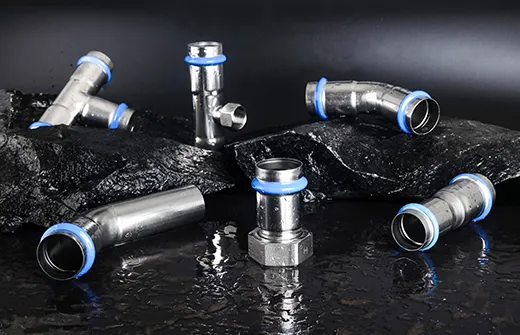
The Benefits of Using Stainless Steel Pipes in Modern Architecture
Apr 08,2026
The Benefits of Using Stainless Steel Pipes in Modern Architecture
Introduction to Stainless Steel in Architecture
In the realm of modern architecture, the materials we choose can greatly influence the durability, aesthetics, and sustainability of a structure. Among these materials, **stainless steel pipes** have emerged as a leading choice for architects and builders alike. This article aims to explore the myriad benefits of utilizing stainless steel pipes in contemporary architectural designs, emphasizing both their practical applications and aesthetic contributions.
Understanding Stainless Steel Pipes
Stainless steel is an alloy primarily composed of iron, carbon, and chromium. This composition gives stainless steel its **corrosion-resistant** properties, making it an ideal choice for various architectural applications. Stainless steel pipes come in various shapes and sizes, offering flexible solutions for both structural and decorative purposes.
Types of Stainless Steel Pipes Used in Construction
- **Welded Pipes**: These pipes are formed by welding the steel edges together. They are ideal for projects requiring a smooth finish and uniform dimensions.
- **Seamless Pipes**: Manufactured without a seam, seamless pipes offer enhanced strength and durability, making them a popular choice in high-pressure applications.
- **Decorative Pipes**: Often used in building facades and interior designs, decorative stainless steel pipes can be polished to create a sleek, modern look.
The Durability of Stainless Steel Pipes
One of the standout features of stainless steel pipes is their incredible **durability**. They can withstand harsh environmental conditions, including moisture, heat, and chemicals, making them suitable for a wide range of applications.
Resistance to Corrosion and Rust
Stainless steel's resistance to rust and corrosion means that structures utilizing stainless steel pipes require less maintenance over time. This property is particularly advantageous in coastal areas where salt exposure can lead to rapid deterioration of other materials.
Long Lifespan and Cost-Effectiveness
When considering long-term investments, stainless steel pipes prove to be cost-effective. Their extended lifespan, often exceeding 50 years, minimizes the need for repairs and replacements, ultimately leading to lower lifetime costs for construction projects.
Aesthetic Versatility of Stainless Steel Pipes
Beyond their durability, stainless steel pipes offer exceptional **aesthetic versatility**. They can be incorporated into various architectural styles, from industrial to modern minimalist designs.
Creating Visual Interest in Design
Architects can utilize stainless steel pipes to create striking visual elements. Their sleek, metallic finish can enhance the overall aesthetic appeal of a building, providing a contemporary look that complements other materials.
Integration with Other Materials
Stainless steel pipes can be easily combined with other materials such as glass, wood, and concrete. This integration allows for creative design possibilities, enabling architects to develop unique structures that stand out in the urban landscape.
Sustainability and Environmental Impact
In today’s environmentally conscious world, the sustainability of building materials is paramount. Stainless steel pipes offer several environmental benefits that make them an excellent choice for green building initiatives.
Recyclability of Stainless Steel
Stainless steel is 100% recyclable without any loss of quality. This means that at the end of their life cycle, stainless steel pipes can be repurposed, thereby reducing waste and conserving natural resources.
Reduced Energy Consumption in Production
The production of stainless steel pipes has become increasingly energy-efficient. Manufacturers are continuously seeking ways to reduce their carbon footprint, contributing to a more sustainable construction industry.
Applications of Stainless Steel Pipes in Modern Architecture
The versatility of stainless steel pipes has led to their wide-ranging applications in modern architecture. Here are some common uses:
Structural Support
Stainless steel pipes are often used as structural components in buildings. Their strength and durability make them ideal for supporting heavy loads, ensuring the structural integrity of various designs.
Architectural Features and Facades
Incorporating stainless steel pipes into building facades can create stunning visual effects. Their reflective surfaces can enhance natural light, adding depth and dimension to exterior designs.
Plumbing and HVAC Systems
Stainless steel pipes are frequently utilized in plumbing and HVAC systems due to their resistance to corrosion and ability to withstand high temperatures. This ensures reliable performance in essential systems throughout a building.
Challenges and Considerations When Choosing Stainless Steel Pipes
While stainless steel pipes offer numerous benefits, there are certain challenges that architects and builders should consider before making their final decision.
Initial Cost and Budget Constraints
The initial cost of stainless steel pipes can be higher than that of traditional materials. However, it’s essential to evaluate the long-term savings associated with their durability and reduced maintenance needs.
Weight Considerations in Design
Stainless steel pipes are heavier than some alternative materials, which can impact the overall design of a structure. Careful planning is necessary to ensure that the building's framework can adequately support the added weight.
Frequently Asked Questions (FAQs)
1. What are the primary benefits of using stainless steel pipes in construction?
The primary benefits include durability, corrosion resistance, aesthetic versatility, and sustainability. They require less maintenance and have a long lifespan, making them cost-effective in the long run.
2. How do stainless steel pipes compare to other materials?
Stainless steel pipes outperform many materials in terms of strength, durability, and resistance to environmental factors. While initial costs may be higher, their lifespan and low maintenance make them a wise investment.
3. Can stainless steel pipes be used in residential projects?
Yes, stainless steel pipes are increasingly used in residential projects for plumbing, structural support, and decorative elements, providing modern and durable solutions.
4. What maintenance do stainless steel pipes require?
Stainless steel pipes generally require minimal maintenance. Regular cleaning to remove dirt and grime is sufficient to maintain their appearance and performance.
5. Are there any environmental benefits to using stainless steel pipes?
Yes, stainless steel is highly recyclable and can reduce waste in landfills. Its production processes are becoming more energy-efficient, contributing to a lower environmental impact.
Conclusion
In conclusion, the benefits of using **stainless steel pipes** in modern architecture are manifold. Their durability, aesthetic versatility, and sustainability make them a preferred choice for architects and builders aiming to create stunning, long-lasting structures. As we continue to innovate in construction materials and practices, stainless steel pipes will undoubtedly play a pivotal role in shaping the future of architectural design. By embracing this remarkable material, we can ensure that our buildings are not only functional and beautiful but also environmentally responsible.
Latest News


Contact Information
Mobile/WeChat: +8613396691363
WhatsApp: +8613396691363
E-mail: warrior.wang@zjipcpiping.com
Address:Floor 47, Building A, International Trade Center, Ningbo Chamber of Commerce, No.558 of Taikangzhong Road, Yinzhou District, Ningbo, 315100 China
Follow Us on


SAF Coolest v1.3.1.1 设置面板 JPMSX-AVEW-UZZVE-ZSA
违禁词: 第一,最,一流,领先,独一无二,王者,龙头,领导者,极致,
无数据提示
Sorry, the current column is being updated, please stay tuned!
You can view other columns or return to the HOME