
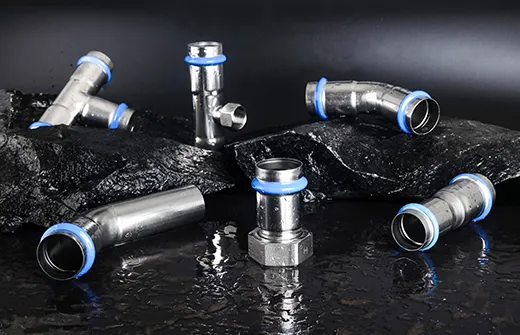
Why Choose Stainless Steel Pipes for Your Next Construction Project?
Apr 02,2026
Why Choose Stainless Steel Pipes for Your Next Construction Project?
Introduction to Stainless Steel Pipes in Construction
Stainless steel pipes have emerged as a preferred material in the construction industry due to their exceptional properties. Both architects and builders appreciate their versatility and durability. In this article, we will explore **why stainless steel pipes** stand out among other material options and how they can enhance your next construction project.
Understanding the Composition of Stainless Steel
Stainless steel is an alloy primarily composed of iron, chromium, and varying amounts of carbon. The addition of chromium (at least 10.5%) creates a thin layer of oxide that protects the surface of the steel from rust and corrosion. This makes stainless steel pipes ideal for various applications, particularly in construction where exposure to different environmental factors is common.
The Different Types of Stainless Steel Pipes
There are several types of stainless steel pipes, each tailored for specific applications. The most common types include:
- **Type 304**: This is the most versatile and widely used stainless steel pipe. It has excellent corrosion resistance and is commonly used in food processing, chemical, and architectural applications.
- **Type 316**: Known for its superior resistance to saltwater and chemicals, Type 316 is ideal for marine applications and areas with high humidity.
- **Type 430**: This type is more affordable and offers decent corrosion resistance. It is often used in less demanding environments, such as in decorative applications or where high strength is not a priority.
Advantages of Using Stainless Steel Pipes in Construction
When choosing materials for construction, several factors must be considered. Stainless steel pipes offer numerous advantages that make them an excellent choice:
1. Exceptional Durability
Stainless steel pipes are renowned for their strength and longevity. They can withstand extreme temperatures and pressures, making them suitable for various construction applications, including:
- **Structural support**: Stainless steel pipes can bear heavy loads without bending or breaking.
- **High-stress environments**: Their robust construction allows them to perform well in areas subject to seismic activity or heavy machinery.
2. Corrosion Resistance
Perhaps one of the most significant benefits of stainless steel pipes is their ability to resist corrosion. Unlike traditional steel, which can rust and weaken over time, stainless steel maintains its integrity even when exposed to moisture, chemicals, and other corrosive elements.
3. Aesthetic Appeal
Stainless steel pipes not only perform well but also look great. Their sleek, modern appearance adds a contemporary touch to any construction project. Available in various finishes, from brushed to polished, stainless steel can enhance the visual appeal of structures.
4. Low Maintenance Requirements
Construction projects require materials that are easy to maintain. Stainless steel pipes are relatively low maintenance compared to other materials. They do not require regular painting or sealing and can be easily cleaned with soap and water. This reduces the overall lifetime costs associated with maintenance and repairs.
5. Sustainability and Recyclability
In an era where sustainability is paramount, stainless steel pipes stand out as an eco-friendly option. They are fully recyclable without losing their quality. Using stainless steel in construction projects contributes to a circular economy and reduces environmental impact.
Cost-Effectiveness of Stainless Steel Pipes
While the initial investment in stainless steel pipes may be higher than other materials, their long-term benefits often outweigh the costs. **Investing in stainless steel pipes** can lead to savings in maintenance, replacement, and repairs over the lifespan of the project. Additionally, their durability means fewer replacements are needed over time.
Factors Affecting the Cost of Stainless Steel Pipes
Several factors can influence the cost of stainless steel pipes:
- **Type of stainless steel**: Higher grades, such as Type 316, are more expensive due to their enhanced properties.
- **Pipe size and thickness**: Larger and thicker pipes generally cost more due to the increased material requirements.
- **Market demand**: Fluctuations in the market can impact pricing, so it's essential to stay informed about current trends.
Applications of Stainless Steel Pipes in Construction
Stainless steel pipes are used in various construction applications, including:
1. Plumbing Systems
In plumbing, stainless steel pipes are used for both hot and cold water supply systems. Their resistance to corrosion ensures that they remain effective over time, avoiding leaks and water damage.
2. Structural Supports
Stainless steel pipes are often used as structural supports in high-rise buildings and bridges due to their strength and durability.
3. Handrails and Railings
The aesthetic appeal of stainless steel makes it an excellent choice for handrails and railings. They can be designed to meet safety standards while enhancing the visual aspects of the building.
4. HVAC Systems
In heating, ventilation, and air conditioning systems, stainless steel pipes are valued for their durability and temperature resistance, ensuring efficient operation over time.
5. Decorative Elements
Stainless steel is also used in decorative applications, such as facade elements and interior design features, where both functionality and aesthetics are essential.
Installation Considerations for Stainless Steel Pipes
Installing stainless steel pipes requires careful planning and execution. Here are some essential considerations:
1. Professional Installation
Hiring skilled professionals with experience in stainless steel pipe installation ensures that the pipes are fitted correctly, providing optimal performance and longevity.
2. Proper Tools and Equipment
Specialized tools may be required for cutting and welding stainless steel pipes. It's crucial to use the right equipment to avoid damaging the material.
3. Jointing Techniques
Understanding the appropriate jointing techniques is vital for achieving a secure and leak-proof installation. Options include welding, threaded connections, and flanged joints.
Maintenance Tips for Stainless Steel Pipes
Maintaining stainless steel pipes is relatively straightforward but requires some attention:
1. Regular Cleaning
To keep stainless steel pipes looking their best, regular cleaning with mild soap and water is recommended. This prevents the buildup of grime and maintains their shine.
2. Inspect for Damage
Routine inspections can help identify any signs of wear or damage early on, allowing for timely repairs and preventing costly replacements.
3. Avoid Harsh Chemicals
When cleaning stainless steel pipes, avoid using harsh chemicals or abrasive cleaners, as these can damage the protective oxide layer, leading to corrosion.
Frequently Asked Questions (FAQs)
1. What are the benefits of using stainless steel pipes over other materials?
Stainless steel pipes offer durability, corrosion resistance, low maintenance, aesthetic appeal, and sustainability, making them an ideal choice for construction projects.
2. How do stainless steel pipes perform in extreme weather conditions?
Stainless steel pipes are designed to withstand a range of temperatures and weather conditions, making them reliable in both hot and cold environments.
3. Are stainless steel pipes recyclable?
Yes, stainless steel pipes are fully recyclable, contributing to environmental sustainability and reducing waste.
4. How do I maintain stainless steel pipes?
Regular cleaning with mild soap and water, routine inspections, and avoiding harsh chemicals are essential practices for maintaining stainless steel pipes.
5. What factors affect the cost of stainless steel pipes?
Factors such as the type of stainless steel, pipe size and thickness, and market demand can influence the pricing of stainless steel pipes.
Conclusion
Choosing stainless steel pipes for your next construction project is a decision that can significantly impact both the structural integrity and aesthetic appeal of your building. With their exceptional durability, corrosion resistance, and low maintenance requirements, stainless steel pipes stand out as one of the best options available. By understanding the benefits and applications of stainless steel pipes, you can make an informed choice that ensures the longevity and success of your construction endeavors.
Latest News


Contact Information
Mobile/WeChat: +8613396691363
WhatsApp: +8613396691363
E-mail: warrior.wang@zjipcpiping.com
Address:Floor 47, Building A, International Trade Center, Ningbo Chamber of Commerce, No.558 of Taikangzhong Road, Yinzhou District, Ningbo, 315100 China
Follow Us on


SAF Coolest v1.3.1.1 设置面板 JPMSX-AVEW-UZZVE-ZSA
违禁词: 第一,最,一流,领先,独一无二,王者,龙头,领导者,极致,
无数据提示
Sorry, the current column is being updated, please stay tuned!
You can view other columns or return to the HOME