Understanding the Advantages of Slip Couplings in Stainless Steel Pipe Installations
Mar 09,2026
Understanding the Advantages of Slip Couplings in Stainless Steel Pipe Installations
Table of Contents
- 1. Introduction to Stainless Steel Pipe Installations
- 2. What Are Slip Couplings?
- 3. Importance of Slip Couplings in Pipe Installation
- 4. Key Benefits of Using Slip Couplings
- 4.1 Ease of Installation
- 4.2 Flexibility and Adjustability
- 4.3 Reduced Risk of Leaks
- 4.4 Cost-Effectiveness
- 5. Applications of Slip Couplings in Various Industries
- 6. Installation Process of Slip Couplings
- 7. Maintenance Tips for Slip Couplings
- 8. Conclusion
- 9. FAQs
1. Introduction to Stainless Steel Pipe Installations
In modern construction and plumbing, **stainless steel pipes** have become the preferred choice due to their durability, resistance to corrosion, and aesthetic appeal. Among the various components used in stainless steel pipe installations, **slip couplings** stand out as essential fittings that facilitate efficient, reliable connections. This article delves into the numerous advantages of slip couplings, enhancing your understanding of their role in stainless steel pipe systems.
2. What Are Slip Couplings?
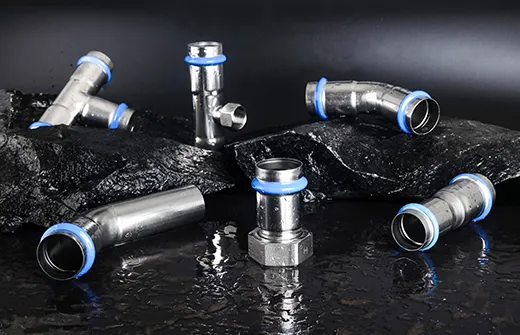
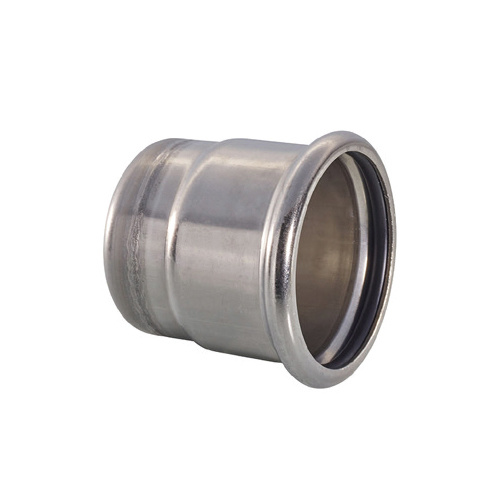
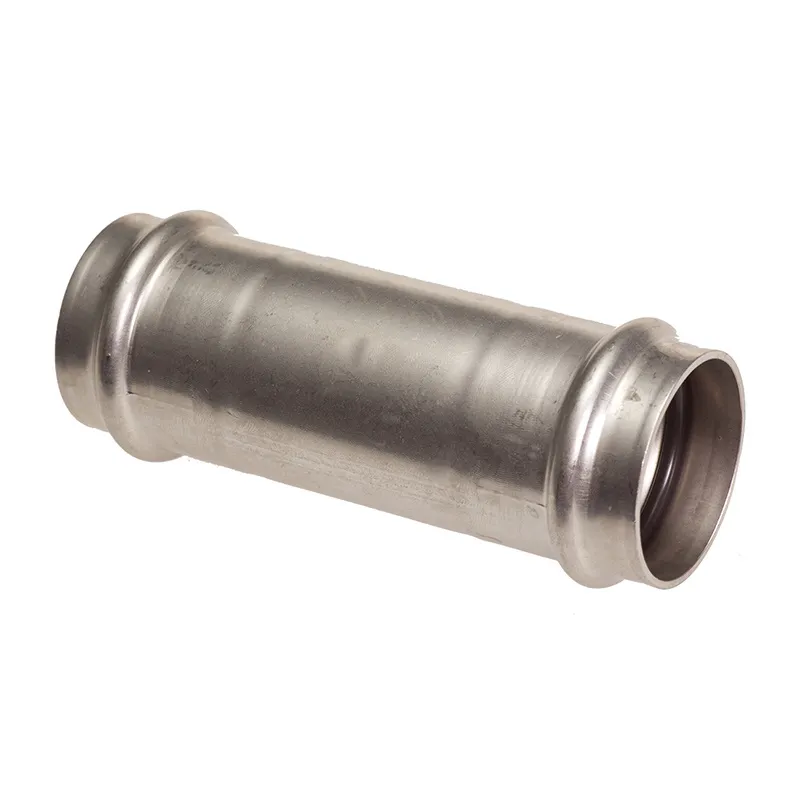
Slip couplings are specialized pipe fittings designed to join two sections of pipe while allowing for a certain amount of lateral movement. Unlike traditional couplings that require precise alignment, slip couplings can be adjusted during installation, making them an invaluable tool in various piping applications. They are typically constructed from **high-quality stainless steel**, ensuring longevity and resistance to environmental factors.
3. Importance of Slip Couplings in Pipe Installation
Understanding the significance of slip couplings in pipe installations is crucial for achieving efficient fluid transport systems. These couplings not only simplify the assembly process but also enable the creation of more flexible piping layouts. The versatility of slip couplings caters to various industrial requirements, particularly in environments where movement or expansion might occur.
4. Key Benefits of Using Slip Couplings
In this section, we explore the primary benefits of incorporating slip couplings into stainless steel pipe installations.
4.1 Ease of Installation
One of the standout features of slip couplings is their **ease of installation**. Unlike fixed couplings that require precise measurements, slip couplings can be adjusted after placement, allowing for a more forgiving installation process. This characteristic is especially beneficial in tight spaces or complex layouts where exact alignment can be challenging.
4.2 Flexibility and Adjustability
Slip couplings provide remarkable **flexibility and adjustability** in pipe configurations. They allow for minor adjustments even after the initial installation, accommodating any shifts or movements that may occur due to temperature changes or external pressures. This flexibility is crucial in ensuring the long-term integrity of the piping system.
4.3 Reduced Risk of Leaks
The design of slip couplings minimizes the potential for leaks in stainless steel pipe installations. By creating a snug and adjustable fit, these couplings help maintain a secure connection, reducing the risk of fluid leakage over time. This feature is vital for maintaining the efficiency and safety of fluid transport systems.
4.4 Cost-Effectiveness
While the initial investment in high-quality slip couplings may seem significant, their **cost-effectiveness** becomes evident over time. By reducing installation time and minimizing the risk of leaks, these fittings contribute to lower maintenance costs and fewer repairs. Thus, choosing slip couplings can lead to substantial savings in the long run.
5. Applications of Slip Couplings in Various Industries
Slip couplings find applications across a wide range of industries. Here are some notable examples:
5.1 Plumbing and HVAC
In plumbing and HVAC systems, slip couplings are extensively used to connect various pipe sections while ensuring flexibility for future adjustments. Their ability to withstand high pressures and temperatures makes them ideal for these applications.
5.2 Industrial Manufacturing
Slip couplings are crucial in industrial manufacturing processes where pipes often need to be rearranged or modified. Their ease of use allows for quick adjustments, ensuring minimal downtime during production.
5.3 Oil and Gas
In the oil and gas industry, slip couplings are employed to facilitate connections in pipelines that transport volatile substances. Their leak-resistant properties and adaptability make them a reliable choice for these critical applications.
6. Installation Process of Slip Couplings
Installing slip couplings requires careful attention to detail to ensure optimal performance. The following steps outline a typical installation process:
Step 1: Gather Necessary Tools
Before beginning the installation, gather all necessary tools, including pipe cutters, measuring tape, and safety equipment. Having everything on hand will streamline the process.
Step 2: Measure and Cut Pipes
Measure the lengths of the stainless steel pipes to be joined and cut them accordingly. Ensure that the cuts are straight and clean to facilitate a proper fit with the slip coupling.
Step 3: Prepare the Slip Coupling
Slide the slip coupling onto the first pipe section before inserting the second pipe. This step is crucial, as it is easy to forget the coupling otherwise.
Step 4: Insert the Second Pipe
Insert the second pipe into the slip coupling, ensuring that it is seated correctly. Adjust the coupling as needed to align both pipe sections.
Step 5: Secure the Connection
Once the pipes are properly aligned, secure the connection by tightening any necessary clamps or fittings. Double-check for leaks after installation.
7. Maintenance Tips for Slip Couplings
To ensure the longevity of slip couplings in your stainless steel pipe installations, consider the following maintenance tips:
7.1 Regular Inspections
Conduct periodic inspections of the slip couplings to identify any signs of wear or damage. Early detection can prevent more significant issues from arising.
7.2 Clean and Lubricate
Keep the couplings clean and lubricated to maintain their adjustability and prevent corrosion. Use appropriate cleaning agents that are compatible with stainless steel.
7.3 Monitor for Leaks
Regularly check for any signs of leaks around the couplings. If leaks are detected, address them promptly to prevent further damage to the piping system.
8. Conclusion
Slip couplings represent a significant advancement in the field of stainless steel pipe installations. Their unique design and adaptability offer numerous benefits, from ease of installation to reduced risks of leaks. As industries continue to evolve, the demand for innovative solutions like slip couplings will only increase. By understanding and incorporating these fittings into your piping systems, you pave the way for more efficient and reliable fluid transport solutions.
9. FAQs
What are the main advantages of using slip couplings?
The primary advantages include ease of installation, flexibility for adjustments, reduced risk of leaks, and overall cost-effectiveness.
Can slip couplings be used in high-pressure applications?
Yes, slip couplings are designed to withstand high pressures, making them suitable for various applications, including plumbing and industrial manufacturing.
How do I maintain slip couplings in my piping system?
Regular inspections, cleanings, lubrication, and monitoring for leaks are essential for maintaining slip couplings.
Are slip couplings compatible with all types of pipes?
While slip couplings are highly versatile, it’s essential to ensure they are specifically designed for the type of pipe you are using, such as stainless steel.
Can I install slip couplings myself, or should I hire a professional?
While skilled DIY individuals can install slip couplings, hiring a professional ensures the installation adheres to industry standards and best practices for safety.
Latest News


Contact Information
Mobile/WeChat: +8613396691363
WhatsApp: +8613396691363
E-mail: warrior.wang@zjipcpiping.com
Address:Floor 47, Building A, International Trade Center, Ningbo Chamber of Commerce, No.558 of Taikangzhong Road, Yinzhou District, Ningbo, 315100 China
Follow Us on


SAF Coolest v1.3.1.1 设置面板 JPMSX-AVEW-UZZVE-ZSA
违禁词: 第一,最,一流,领先,独一无二,王者,龙头,领导者,极致,
无数据提示
Sorry, the current column is being updated, please stay tuned!
You can view other columns or return to the HOME