The Essential Function of 45° Obtuse Elbow in Optimizing Pipe Installations
Feb 19,2026
The Essential Function of 45° Obtuse Elbow in Optimizing Pipe Installations
In the realm of construction and plumbing, effective piping systems are critical for ensuring optimal performance and longevity. Among the various components used in these systems, the **45° obtuse elbow** plays a significant role. This article delves into the importance of 45° obtuse elbows, their applications, and why they are indispensable for efficient pipe installations.
Understanding the 45° Obtuse Elbow
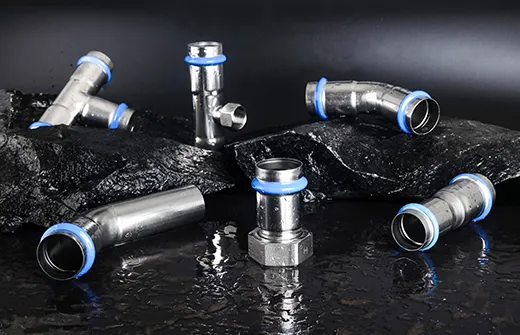
The **45° obtuse elbow** is a type of pipe fitting designed to connect two sections of pipe at an angle of 45 degrees. This configuration provides a smooth transition between pipes, allowing for efficient flow and reducing pressure loss. Unlike standard elbows, the obtuse angle aids in maintaining the integrity of the pipeline, especially in complex installations.
Why Choose a 45° Angle?
The choice of a 45° angle over a 90° angle in piping systems is not arbitrary. Here are the primary benefits of utilizing a 45° obtuse elbow:
1. **Reduced Flow Resistance**: The 45° angle minimizes turbulence and resistance, which is essential for maintaining fluid velocity and pressure.
2. **Improved Efficiency**: With less energy lost to friction, systems using 45° elbows can operate more efficiently, leading to lower energy costs in the long run.
3. **Enhanced Durability**: The gradual change in direction reduces stress on the pipes, contributing to their longevity and reducing the likelihood of leaks.
Applications of 45° Obtuse Elbows
The versatility of the 45° obtuse elbow allows it to be employed in a wide array of applications, including:
- **Residential Plumbing**: In home plumbing systems, these elbows facilitate smooth transitions, minimizing pressure drop and enhancing water flow rates.
- **Industrial Pipelines**: In factories and manufacturing plants, obtuse elbows are vital for transporting liquids and gases, ensuring efficiency and reducing wear on the system.
- **HVAC Systems**: In heating, ventilation, and air conditioning applications, these fittings help direct airflow while maintaining optimal pressure levels.
Installation Best Practices for 45° Obtuse Elbows
Proper installation of 45° obtuse elbows is essential for maximizing their benefits. Here are some best practices to consider:
1. Plan Your Layout Carefully
Before installation, create a detailed layout of your piping system. Consider the flow direction, pipe sizes, and the specific areas where 45° elbows will be utilized. This foresight helps in optimizing the overall design and efficiency of the system.
2. Use Quality Materials
Selecting high-quality materials for your elbows is paramount. Stainless steel, brass, and PVC are common choices, each offering unique benefits. Ensure that the materials you choose are compatible with the fluid being transported and the environmental conditions.
3. Ensure Proper Alignment
During installation, ensure that the pipes and elbows are properly aligned. Misalignment can lead to increased stress, leaks, and potential failures in the system. Use alignment tools to maintain accuracy.
4. Secure Connections
Use appropriate fittings and adhesives to secure the connections between pipes and elbows. For welded joints, ensure that the welds are clean and consistent. For threaded connections, apply plumber's tape to ensure a tight seal.
Advantages of Using 45° Obtuse Elbows in Pipe Systems
Utilizing 45° obtuse elbows offers several distinct advantages that enhance the overall performance of piping systems:
1. Cost-Efficiency
By reducing pressure losses and improving flow rates, systems that incorporate 45° elbows can lead to significant cost savings over time. Lower energy consumption translates to reduced utility bills and extended equipment lifespan.
2. Space Optimization
In tight spaces, the compact design of 45° obtuse elbows allows for efficient routing of pipes without compromising performance. This is particularly beneficial in residential and commercial buildings where space is at a premium.
3. Versatility
The adaptability of 45° obtuse elbows makes them suitable for a variety of applications, ranging from water supply lines to wastewater systems. This versatility simplifies inventory management for contractors and builders.
Comparing 45° Obtuse Elbows with Other Pipe Fittings
To fully appreciate the value of 45° obtuse elbows, it’s helpful to compare them with other common pipe fittings:
1. 90° Elbows
While 90° elbows create a sharper turn, they often introduce more turbulence and pressure loss. In contrast, 45° elbows provide a smoother transition, making them a superior choice for maintaining fluid dynamics.
2. Tees and Crosses
Tees and crosses are used for branching pipes, but they can create more disruption in flow. When transitioning from a main line to a branch, a 45° obtuse elbow can reduce turbulence, leading to better flow characteristics.
3. Valves
While valves are crucial for controlling flow, they can also introduce resistance. By integrating 45° elbows into a system designed around valves, one can help mitigate the pressure drop associated with valve operation.
Common Misconceptions about 45° Obtuse Elbows
Despite their advantages, several misconceptions persist around the use of 45° obtuse elbows:
1. They Are Only for Large Pipes
Some believe that 45° elbows are only necessary in large-diameter piping systems. However, their benefits are applicable across all sizes, from residential plumbing to industrial applications.
2. They Are Hard to Install
While proper installation does require attention to detail, 45° elbows are no more complex to install than any other pipe fitting. With the right tools and techniques, they can be added to any system efficiently.
Frequently Asked Questions (FAQs)
1. What is the primary advantage of using a 45° obtuse elbow over a 90° elbow?
The primary advantage is the reduction in flow resistance and turbulence, leading to improved fluid dynamics and energy efficiency.
2. Are 45° obtuse elbows suitable for all types of piping materials?
Yes, they can be used with various materials, including PVC, stainless steel, and copper, provided they are compatible with the fluid being transported.
3. How can I ensure proper installation of a 45° obtuse elbow?
Carefully plan your layout, use quality materials, maintain alignment during installation, and secure connections with appropriate fittings.
4. Can 45° elbows be used in both residential and industrial applications?
Absolutely. Their versatility makes them suitable for a wide range of applications, from home plumbing systems to large industrial pipelines.
5. What should I consider when selecting a 45° obtuse elbow for my project?
Consider factors such as material compatibility, the fluid being transported, and the specific application to ensure optimal performance.
Conclusion
The **45° obtuse elbow** is an invaluable component in the construction and plumbing industries, offering enhanced flow efficiency and durability. By understanding its unique benefits, applications, and installation practices, contractors and builders can optimize their piping systems for superior performance. Integrating 45° elbows not only enhances fluid dynamics but also contributes to cost savings, making them a wise choice for any piping project. Embrace the advantages of 45° obtuse elbows and transform your plumbing installations into models of efficiency and reliability.
Latest News


Contact Information
Mobile/WeChat: +8613396691363
WhatsApp: +8613396691363
E-mail: warrior.wang@zjipcpiping.com
Address:Floor 47, Building A, International Trade Center, Ningbo Chamber of Commerce, No.558 of Taikangzhong Road, Yinzhou District, Ningbo, 315100 China
Follow Us on


SAF Coolest v1.3.1.1 设置面板 JPMSX-AVEW-UZZVE-ZSA
违禁词: 第一,最,一流,领先,独一无二,王者,龙头,领导者,极致,
无数据提示
Sorry, the current column is being updated, please stay tuned!
You can view other columns or return to the HOME