
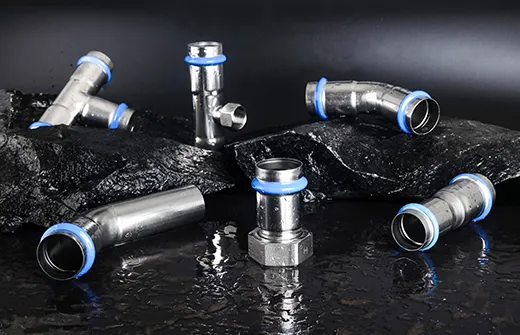
How 45° Obtuse Elbow Can Enhance Your Architectural Designs
Feb 13,2026
How 45° Obtuse Elbow Can Enhance Your Architectural Designs
Table of Contents
1. Introduction to 45° Obtuse Elbows in Architecture
2. Understanding Architectural Design Elements
3. The Functionality of 45° Obtuse Elbows
3.1. Structural Integrity
3.2. Fluid Dynamics
4. Aesthetic Appeal of 45° Obtuse Elbows
4.1. Modern Design Trends
4.2. Versatility in Applications
5. Integration of 45° Obtuse Elbows in Various Architectural Styles
5.1. Commercial Buildings
5.2. Residential Spaces
6. Case Studies of Successful Implementations
7. Common FAQs About 45° Obtuse Elbows
8. Conclusion: Elevating Design with 45° Obtuse Elbows
1. Introduction to 45° Obtuse Elbows in Architecture
In the realm of architectural design, every element plays a crucial role in ensuring both functionality and aesthetics. Among these elements, the **45° obtuse elbow** stands out as a versatile component that can significantly enhance the overall design of a structure. Often overlooked, this structural piece offers unique advantages that contribute to the **efficiency** and **beauty** of architectural projects.
2. Understanding Architectural Design Elements
Architectural design is a complex interplay of various elements, including **lines**, **shapes**, **textures**, and **materials**. Each component must work harmoniously to create a cohesive and functional space. The inclusion of specialized components, such as the 45° obtuse elbow, can facilitate innovative design solutions, enabling architects to push the boundaries of creativity.
3. The Functionality of 45° Obtuse Elbows
To fully appreciate the benefits of 45° obtuse elbows, it is essential to understand their functionality within architectural designs.
3.1. Structural Integrity
One of the primary functions of a 45° obtuse elbow is to maintain **structural integrity**. These components are often used in piping and ductwork systems, where they allow for changes in direction without compromising the strength of the infrastructure. By utilizing 45° obtuse elbows, architects can create more stable connections that withstand the test of time.
3.2. Fluid Dynamics
In addition to structural support, 45° obtuse elbows play a vital role in **fluid dynamics**. They facilitate smooth transitions for liquids and gases within a system, reducing turbulence and friction. This capability is especially crucial in HVAC systems, plumbing, and other applications where efficient flow is paramount.
4. Aesthetic Appeal of 45° Obtuse Elbows
Beyond their practical applications, 45° obtuse elbows also contribute to the **aesthetic** quality of architectural designs.
4.1. Modern Design Trends
As architectural styles evolve, the use of **clean lines** and **geometric shapes** has become increasingly popular. The 45° obtuse elbow fits seamlessly into this modern design narrative, offering a unique visual element that can enhance the overall look of a building. Architects can use these elbows to create striking contrasts or harmonious blends with other materials, resulting in a visually pleasing outcome.
4.2. Versatility in Applications
The versatility of 45° obtuse elbows makes them suitable for various applications, from **interior design** to **landscape architecture**. They can be effectively integrated into **railings**, **furniture**, and even outdoor structures, showcasing their adaptability across multiple design contexts.
5. Integration of 45° Obtuse Elbows in Various Architectural Styles
The incorporation of 45° obtuse elbows can vary significantly across different architectural styles, each benefiting from their unique properties.
5.1. Commercial Buildings
In commercial architecture, where functionality and design must coexist, 45° obtuse elbows provide the perfect solution. They can be used in **ventilation systems**, allowing for unobtrusive air circulation while maintaining a polished appearance. Additionally, these elbows can serve as decorative elements in the building's façade, enhancing the overall aesthetic without sacrificing efficiency.
5.2. Residential Spaces
For residential designs, the use of 45° obtuse elbows can improve **space utilization**. They can create seamless transitions between rooms, facilitating open floor plans that are both functional and inviting. Moreover, the lightweight nature of these elbows allows for easy installation, making them a practical choice for **homeowners** and **designers** alike.
6. Case Studies of Successful Implementations
Examining successful projects that have effectively integrated 45° obtuse elbows can provide valuable insights into their potential.
One notable example is the **Green Tower** in downtown Chicago, where these elbows were used creatively in the HVAC systems to ensure optimal airflow while maintaining the building's sleek appearance. Similarly, in a contemporary residence in San Francisco, the use of 45° obtuse elbows in the plumbing system not only enhanced functionality but also contributed to the modern aesthetic of the home.
7. Common FAQs About 45° Obtuse Elbows
**Q1: What materials are used in 45° obtuse elbows?**
A1: 45° obtuse elbows can be made from various materials, including **stainless steel**, **PVC**, and **copper**, depending on their intended application.
**Q2: Are 45° obtuse elbows suitable for high-pressure systems?**
A2: Yes, when designed and manufactured correctly, 45° obtuse elbows can handle high-pressure environments effectively.
**Q3: How do I choose the right size for a 45° obtuse elbow?**
A3: Selecting the appropriate size depends on the specific application and the materials being used. Consulting with a professional can provide guidance.
**Q4: Can 45° obtuse elbows be customized for specific projects?**
A4: Absolutely! Many manufacturers offer customizable options to meet unique project requirements.
**Q5: What are the advantages of using 45° obtuse elbows over standard elbows?**
A5: The primary advantages include enhanced fluid dynamics, improved structural integrity, and greater aesthetic appeal.
8. Conclusion: Elevating Design with 45° Obtuse Elbows
In conclusion, the integration of **45° obtuse elbows** within architectural designs presents numerous benefits that extend beyond mere functionality. Their ability to enhance both structural integrity and aesthetic appeal makes them an invaluable asset in modern architecture. As designers and architects continue to innovate, embracing such specialized components will undoubtedly lead to smarter, more beautiful spaces that cater to both **practical needs** and **artistic vision**.
Latest News


Contact Information
Mobile/WeChat: +8613396691363
WhatsApp: +8613396691363
E-mail: warrior.wang@zjipcpiping.com
Address:Floor 47, Building A, International Trade Center, Ningbo Chamber of Commerce, No.558 of Taikangzhong Road, Yinzhou District, Ningbo, 315100 China
Follow Us on


SAF Coolest v1.3.1.1 设置面板 JPMSX-AVEW-UZZVE-ZSA
违禁词: 第一,最,一流,领先,独一无二,王者,龙头,领导者,极致,
无数据提示
Sorry, the current column is being updated, please stay tuned!
You can view other columns or return to the HOME