
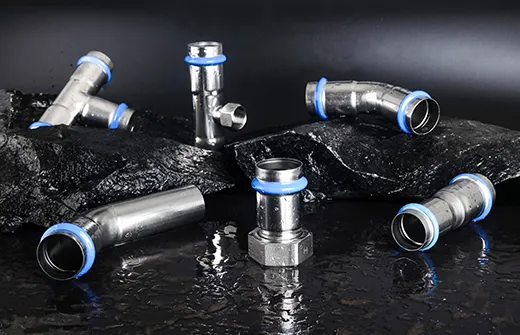
90º Bends With Male Thread: Essential Insights for Your Next Construction Project
Feb 07,2026
90º Bends With Male Thread: Essential Insights for Your Next Construction Project
Table of Contents
- Understanding 90º Bends with Male Threads
- The Importance of Bends in Construction
- Types of 90º Bends with Male Threads
- Materials Used in 90º Bends
- Installation Techniques for 90º Bends
- Key Design Considerations
- Maintenance Tips for Longevity
- Common Issues and Solutions
- Conclusion
- Frequently Asked Questions
Understanding 90º Bends with Male Threads
In the realm of construction and plumbing, **90º bends with male threads** are essential components used to redirect pipes and tubing. These fittings facilitate changes in flow direction while maintaining a secure connection. Whether for residential plumbing or large-scale construction, understanding these components is crucial for ensuring the integrity and efficiency of your systems.
The Importance of Bends in Construction
**Bends**, especially **90º bends**, play a pivotal role in construction projects. They allow for the effective routing of piping systems, minimizing the need for extensive straight runs that can take up considerable space. This space-saving capability is particularly vital in urban settings where space is at a premium. Additionally, they help in maintaining the intended flow characteristics of a system, reducing turbulence and potential blockages.
Enhancing Flow Efficiency
Properly designed and installed bends can lead to enhanced flow efficiency. When bends are too sharp or poorly constructed, they can cause pressure drops and increased friction, which can hinder system performance. Understanding the geometry of these bends ensures that flow is smooth and consistent, optimizing the overall functionality of the plumbing system.
Types of 90º Bends with Male Threads
There are several types of **90º bends with male threads**, each designed for specific applications and materials. Understanding these types helps in selecting the right fitting for your project.
Standard 90º Bends
Standard 90º bends are the most commonly used type in plumbing and construction. They feature a simple design that allows for straightforward installation and effective flow direction change without excessive pressure loss.
Long Radius 90º Bends
Long radius bends are designed with a gentler curve compared to standard bends. This design minimizes turbulence and pressure loss, making them ideal for systems where maintaining optimal flow rates is crucial. They are commonly used in larger diameter pipes.
Materials Used in 90º Bends
The materials used to manufacture 90º bends with male threads significantly influence their performance and durability. Common materials include:
Stainless Steel
**Stainless steel** is a popular choice for high-strength applications. It resists corrosion and can handle high-pressure environments, making it suitable for both residential and industrial uses.
Brass
**Brass** is another widely used material due to its excellent corrosion resistance and strength. It is often used in plumbing applications where water quality and longevity are concerns.
Plastic and PVC
For lighter applications, **plastic** and **PVC** bends are often chosen. These materials are lightweight, resistant to corrosion, and easy to install, making them ideal for residential and low-pressure systems.
Installation Techniques for 90º Bends
Proper installation techniques are crucial for ensuring the effectiveness and longevity of 90º bends with male threads. Here, we outline some best practices.
Preparation of Pipes
Prior to installation, ensure that the pipes are properly cut and stripped of any burrs or sharp edges. This preparation helps achieve a secure connection between the bend and the pipe, reducing the risk of leaks.
Sealing and Threading
When working with male-threaded fittings, using appropriate sealing compounds or tapes is essential. This step prevents leaks and ensures a tight fit. Apply the sealant evenly to the threads, taking care not to overdo it, as excess material can cause problems during installation.
Alignment and Tightening
During installation, ensure that the bend is properly aligned with the pipes. Misalignment can lead to stress on the fittings, causing potential failure points. Use appropriate tools to tighten the connections without over-torquing, which can strip threads and compromise the integrity of the fitting.
Key Design Considerations
When integrating 90º bends into your plumbing or construction projects, it's essential to consider various design factors to ensure optimal performance.
Flow Rate Requirements
Understand the flow rate requirements of your system. The design should accommodate the necessary flow without causing excessive pressure drops. Consulting with a plumbing engineer can provide valuable insights into achieving the best flow characteristics.
Piping Configuration
Consider the overall piping configuration. The placement of bends can affect the overall design and functionality of the system. Plan the layout carefully to minimize unnecessary bends and maintain optimal flow.
System Pressure Ratings
Ensure that the selected bends meet the system's pressure ratings. Using fittings that cannot withstand the required pressure can lead to failures and costly repairs.
Maintenance Tips for Longevity
Routine maintenance plays a crucial role in ensuring the longevity of 90º bends and associated plumbing systems. Here are some tips to consider:
Regular Inspections
Conduct regular inspections of bends and fittings to check for signs of wear, corrosion, or leaks. Early detection of issues can prevent costly repairs and system failures.
Cleaning
Ensure that bends and pipes are free from debris and blockages. Regular cleaning can enhance flow efficiency and prevent buildup that may lead to pressure drops or leaks.
Replace Damaged Components
If any bends or fittings show signs of damage, replace them immediately. Using damaged components can compromise the entire system's integrity, leading to more extensive issues down the line.
Common Issues and Solutions
As with any component in a plumbing system, 90º bends with male threads can encounter issues. Here are some common problems and their solutions:
Leakage
Leaks are one of the most prevalent issues associated with bends. They often result from improper sealing or installation. To resolve leaks, check the sealing compound and re-tighten the fittings as necessary.
Blockages
Blockages can occur due to debris buildup within the bends. Regular cleaning and maintenance are essential to minimizing this risk.
Corrosion
Corrosion can significantly affect the lifespan of bends, especially in hostile environments. Utilizing corrosion-resistant materials like stainless steel or brass can mitigate this issue.
Conclusion
90º bends with male threads are vital components in construction and plumbing, offering versatility and efficiency in directing flow. By understanding the types, materials, installation techniques, and key design considerations, professionals can make informed decisions that enhance the performance and longevity of their systems. Regular maintenance and prompt attention to common issues will further ensure that these fittings serve their intended purpose effectively. As you embark on your next build, ensuring you have the right bends in place will undoubtedly contribute to a successful and efficient project.
Frequently Asked Questions
1. What are the advantages of using 90º bends with male threads?
90º bends with male threads provide a reliable means of changing the direction of piping systems while ensuring secure connections and minimizing pressure loss.
2. How do I choose the right material for my 90º bends?
The choice of material depends on the specific application, pressure requirements, and environmental factors. Stainless steel is ideal for high-strength applications, while PVC is suitable for lighter residential applications.
3. Can I install 90º bends myself, or should I hire a professional?
While DIY installation is possible for those with plumbing experience, hiring a professional can ensure proper installation and reduce the risk of leaks or failures.
4. What are the common mistakes to avoid during installation?
Common mistakes include improper alignment, over-tightening fittings, and neglecting to use sealing compounds. Attention to detail during installation is crucial for long-term success.
5. How often should I inspect my plumbing system for issues?
Regular inspections should be conducted at least once a year, or more frequently if the system is exposed to harsh conditions. Early detection of problems can prevent costly repairs.
Latest News


Contact Information
Mobile/WeChat: +8613396691363
WhatsApp: +8613396691363
E-mail: warrior.wang@zjipcpiping.com
Address:Floor 47, Building A, International Trade Center, Ningbo Chamber of Commerce, No.558 of Taikangzhong Road, Yinzhou District, Ningbo, 315100 China
Follow Us on


SAF Coolest v1.3.1.1 设置面板 JPMSX-AVEW-UZZVE-ZSA
无数据提示
Sorry, the current column is being updated, please stay tuned!
You can view other columns or return to the HOME