
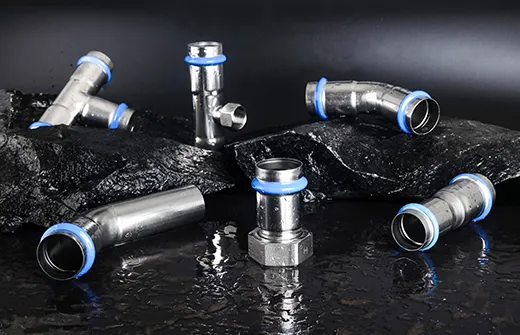
Transforming Your Plumbing: The Impact of 90º Bends With Male Threads
Feb 01,2026
Transforming Your Plumbing: The Impact of 90º Bends With Male Threads
Table of Contents
- Understanding 90º Bends in Plumbing
- The Importance of Male Threads in Plumbing
- Benefits of Using 90º Bends with Male Threads
- Installation Techniques for 90º Bends
- Common Mistakes to Avoid During Installation
- Maintenance Tips for 90º Bends
- Case Studies: Successful Plumbing Projects
- Frequently Asked Questions
Understanding 90º Bends in Plumbing
In plumbing systems, the **90º bend** plays a vital role in redirecting flow without causing significant pressure drops. These fittings are essential for routing pipes around obstacles, enabling effective water delivery and drainage. The design of a 90º bend allows for a smooth transition, which is crucial in maintaining optimal flow rates. Installed correctly, these bends minimize turbulence and ensure that water travels efficiently through the pipes.
Types of 90º Bends
Several types of 90º bends exist, including **swept** and **standard bends**. Swept bends have a longer radius, which results in less turbulence and reduced wear on the system. Conversely, standard bends are tighter and may cause more friction in high-flow applications. Selecting the appropriate type is essential for achieving maximum efficiency in your plumbing system.
The Importance of Male Threads in Plumbing
**Male threads** are critical components in plumbing, allowing for secure connections between pipes and fittings. These threads are designed for easy installation and disassembly, making maintenance and repairs more straightforward. With proper engagement, male threads provide a leak-free connection that can withstand pressure and temperature fluctuations.
Materials Used for Male Threads
Typically, male threads are constructed from durable materials such as **brass**, **stainless steel**, or **PVC**. Each material offers distinct advantages: brass is corrosion-resistant, stainless steel is exceptionally strong, and PVC is lightweight and cost-effective. Selecting the right material based on your plumbing system’s requirements is crucial for longevity and reliability.
Benefits of Using 90º Bends with Male Threads
The integration of 90º bends with male threads offers a plethora of advantages in plumbing systems. Understanding these benefits can help homeowners and contractors make informed decisions about their plumbing installations.
Improved Water Flow
Utilizing 90º bends allows for a more efficient water flow. This is particularly beneficial in systems with higher pressure requirements, as the gentle turn reduces turbulence and enhances the speed at which water travels through the pipes. With improved water flow, your plumbing system operates more effectively, providing better performance overall.
Space Efficiency
In construction and renovation projects, space is often at a premium. 90º bends allow for more compact plumbing layouts, enabling pipes to navigate around obstacles and fit into tighter areas. This space efficiency is crucial in urban settings where maximizing square footage is essential.
Enhanced Durability and Longevity
When constructed from high-quality materials, 90º bends with male threads offer exceptional durability. They can withstand extreme temperatures, pressure, and corrosive elements, making them ideal for various applications, from residential plumbing to commercial infrastructures. Investing in durable fittings translates to fewer repairs and replacements, saving time and money in the long run.
Easy Installation
One of the most significant benefits of male threaded 90º bends is the ease of installation. They can be simply screwed onto pipes, allowing for a secure fit without the need for specialized tools or skills. This accessibility makes them a preferred choice for both professional plumbers and DIY enthusiasts.
Installation Techniques for 90º Bends
Proper installation of 90º bends is crucial for maximizing their effectiveness. Follow these steps to ensure a successful installation:
Gather Necessary Tools and Materials
Before beginning installation, ensure you have all required tools and materials, including:
- Pipe cutter or saw
- Thread sealant or Teflon tape
- Adjustable wrench
- 90º bends with male threads
Prepare the Pipes
Cut the pipes to the desired lengths using a pipe cutter or saw. Ensure that the cuts are clean and free of burrs, as rough edges can affect the quality of the connection. Clean the ends of the pipes to remove any debris or leftover sealant.
Apply Thread Sealant
Before connecting the male threads, apply a suitable thread sealant or Teflon tape to the threads. This will help create a watertight seal, preventing leaks and ensuring the integrity of the plumbing system.
Connect the 90º Bends
Carefully screw the male thread fittings into place, ensuring they are tightly secured but not overtightened, which can damage the threads. Use an adjustable wrench to achieve the proper grip without stripping the threads.
Test for Leaks
Once installed, turn on the water supply to the system and check for leaks around the joints. If any leaks are present, tighten the connections as needed. It’s essential to address leaks immediately to avoid water damage and maintain system efficiency.
Common Mistakes to Avoid During Installation
To ensure a successful installation of 90º bends with male threads, be mindful of these common mistakes:
Skipping Thread Sealant
Neglecting to apply thread sealant can lead to leaks, which may cause significant damage over time. Always use sealant for reliable connections.
Overtightening Threads
While it’s essential to secure the fittings, overtightening can strip the threads or crack the fittings. Tighten them until they are snug, but avoid excessive force.
Improper Pipe Alignment
Pipes should be aligned correctly before securing the fittings. Misalignment can lead to stress on the joints and potential leaks.
Maintenance Tips for 90º Bends
Maintaining your plumbing system, including 90º bends with male threads, is vital for long-term functionality. Here are some maintenance tips to keep in mind:
Regular Inspections
Conduct regular inspections of your plumbing system to identify any signs of wear, corrosion, or leaks. Early detection can prevent more severe issues down the line.
Clean Regularly
Keep the area around the bends clean and free from debris. This prevents corrosion and allows for easy access during inspections or repairs.
Monitor Water Pressure
Abnormal water pressure can indicate underlying issues within your plumbing system. Regularly check your water pressure to ensure it remains within the recommended range.
Case Studies: Successful Plumbing Projects
To highlight the impact of 90º bends with male threads, let’s explore a few case studies showcasing their effectiveness in real-world applications.
Case Study 1: Residential Renovation
In a recent residential renovation, a homeowner faced persistent plumbing issues due to outdated pipe configurations. By replacing several sections with 90º bends featuring male threads, the homeowner experienced improved water flow and reduced pressure drops, ultimately enhancing the overall functionality of the plumbing system.
Case Study 2: Commercial Construction Project
A commercial building project required a complex plumbing system to accommodate various fixtures. The installation team utilized 90º bends with male threads to navigate tight corners and optimize space. The result was a highly efficient system that minimized material waste while ensuring reliable service.
Frequently Asked Questions
1. What are the advantages of using 90º bends in plumbing?
90º bends improve water flow, enhance durability, and allow for efficient space usage in plumbing installations.
2. Can I install 90º bends myself?
Yes, with the right tools and knowledge, you can install 90º bends. However, ensure to follow proper installation techniques for best results.
3. How do I know if the 90º bends are leaking?
Check for moisture around the fittings or listen for dripping sounds. Conduct regular inspections to identify any potential leaks early on.
4. What thread sealant should I use?
Using a high-quality Teflon tape or paste specifically designed for plumbing applications is recommended for creating watertight seals.
5. How often should I inspect my plumbing system?
Regular inspections are advised at least once a year, or more frequently if you notice any changes in water pressure or signs of wear.
Conclusion
Integrating **90º bends with male threads** into your plumbing system can significantly enhance its performance and reliability. From improving water flow and facilitating space-efficient designs to providing durable connections, these components are pivotal in modern plumbing solutions. By understanding their benefits, installation techniques, and maintenance requirements, you can ensure your plumbing remains efficient and effective for years to come. Make the smart choice today and experience the transformation that 90º bends can bring to your plumbing system.
Latest News


Contact Information
Mobile/WeChat: +8613396691363
WhatsApp: +8613396691363
E-mail: warrior.wang@zjipcpiping.com
Address:Floor 47, Building A, International Trade Center, Ningbo Chamber of Commerce, No.558 of Taikangzhong Road, Yinzhou District, Ningbo, 315100 China
Follow Us on


SAF Coolest v1.3.1.1 设置面板 JPMSX-AVEW-UZZVE-ZSA
无数据提示
Sorry, the current column is being updated, please stay tuned!
You can view other columns or return to the HOME