
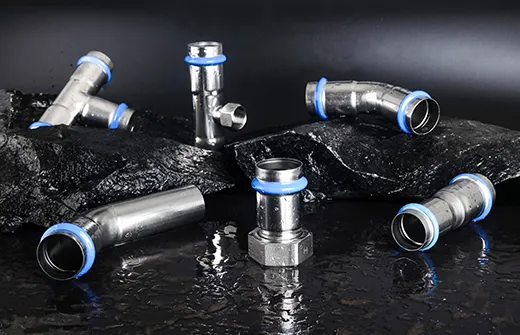
The Integral Function of Street Obtuse Elbow in Plumbing Systems: Enhancing Efficiency and Flow
Jan 23,2026
The Integral Function of Street Obtuse Elbow in Plumbing Systems: Enhancing Efficiency and Flow
Table of Contents
- Understanding Street Obtuse Elbow
- Importance of Street Obtuse Elbow in Plumbing Systems
- How Street Obtuse Elbow Works
- Types of Street Obtuse Elbow
- Installation Techniques for Street Obtuse Elbow
- Best Practices for Maintenance
- Common Issues and Solutions
- Frequently Asked Questions
- Conclusion
Understanding Street Obtuse Elbow
The street obtuse elbow is a crucial fitting in plumbing systems used to change the direction of piping. Typically utilized in situations where a less aggressive bend is required, it allows for smooth transitions in plumbing layouts. The angle of the elbow is generally greater than 90 degrees, facilitating a more gradual curve for the fluid flowing through the pipes. This design minimizes turbulence and pressure drops, making it an essential component in maintaining effective water flow.
Importance of Street Obtuse Elbow in Plumbing Systems
The role of street obtuse elbow in plumbing systems cannot be overstated. It offers numerous advantages that contribute to the overall efficiency and functionality of plumbing installations:
1. Smooth Flow of Water
By providing a gentler angle for the flow of water, street obtuse elbows reduce the potential for turbulence. This smooth flow is vital for maintaining pressure and ensuring that water reaches its destination without significant loss.
2. Flexibility in Design
Plumbing systems often require complex arrangements. The street obtuse elbow provides the flexibility to navigate around obstacles or change directions without compromising the integrity of the system.
3. Enhanced Durability
Constructed from robust materials, street obtuse elbows are designed to withstand various pressures and temperatures. Their durability ensures a long-lasting solution for plumbing systems, reducing the need for frequent replacements.
4. Cost-Effectiveness
Integrating street obtuse elbows into plumbing systems can lead to cost savings in the long run. Their ability to minimize friction and resistance translates to lower energy costs associated with pumping water.
How Street Obtuse Elbow Works
The operation of a street obtuse elbow is relatively straightforward. When water enters the elbow, it flows through the fitting's gradual bend, which allows it to transition smoothly from one pipe to another. This design minimizes sudden changes in velocity, which can create pressure spikes or turbulence, leading to wear and tear over time.
Moreover, the angle of the street obtuse elbow allows for efficient drainage in various plumbing applications, including residential and commercial settings. Understanding the mechanics of how these elbows function is critical for anyone involved in plumbing design and installation.
Types of Street Obtuse Elbow
Various types of street obtuse elbows are available, each suited for specific applications and requirements:
1. Standard Street Obtuse Elbow
This is the most common type, typically made from PVC or metal, designed for general plumbing applications.
2. Long Radius Street Obtuse Elbow
These elbows have a longer radius, allowing for a gentler bend. They are ideal for applications where space is limited, and smooth flow is crucial.
3. Short Radius Street Obtuse Elbow
Short radius elbows are used when space is at a premium, but they can create more turbulence than their long radius counterparts.
4. Specialty Street Obtuse Elbow
These are customized fittings designed for specific industrial applications, often constructed from specialized materials to handle extreme conditions.
Installation Techniques for Street Obtuse Elbow
Proper installation of street obtuse elbows is crucial for ensuring the efficiency and longevity of plumbing systems. Follow these steps for a successful installation:
1. Planning the Layout
Before beginning installation, carefully plan the layout of the plumbing system. Identify where the elbows will be placed and ensure they fit the overall design.
2. Cutting the Pipes
Use a pipe cutter to make clean cuts on the pipes where the elbows will be installed. Ensure the cuts are straight to facilitate a proper seal.
3. Fitting the Elbow
Align the street obtuse elbow with the cut pipes and secure it in place. If using adhesive, apply it evenly and allow it to cure as per the manufacturer's instructions.
4. Testing for Leaks
After the elbows are installed, conduct a pressure test to check for leaks. This step is essential for ensuring the integrity of the entire plumbing system.
Best Practices for Maintenance
Maintaining street obtuse elbows is vital for ensuring their effectiveness over time. Here are some best practices:
1. Regular Inspections
Perform routine inspections of the plumbing system to identify any signs of wear, corrosion, or leaks around the elbows.
2. Clean the Pipes
Debris accumulation can affect the performance of plumbing systems. Regularly clean the pipes and elbows to prevent blockages.
3. Monitor Water Pressure
Keep an eye on the water pressure within the system. Frequent fluctuations may indicate problems with the elbows or other fittings.
Common Issues and Solutions
While street obtuse elbows are durable and efficient, they can encounter issues. Here are some common problems and their solutions:
1. Leaking Elbows
If an elbow is leaking, it may be due to improper installation or wear over time. Tightening the connections or replacing the elbow may be necessary.
2. Clogged Pipes
Clogs often occur at elbows due to changes in flow direction. Use a snake or hydro jetting to clear any blockages.
3. Corrosion
Corrosion can weaken elbows, especially in older systems. Inspect and replace corroded fittings to maintain system integrity.
Frequently Asked Questions
1. What is the primary purpose of a street obtuse elbow?
The primary purpose of a street obtuse elbow is to change the direction of flow in plumbing systems while minimizing turbulence and pressure loss.
2. How do I know which type of street obtuse elbow to use?
Choosing the right elbow depends on the specific requirements of your plumbing system, including space constraints and the desired flow rate.
3. Can I install a street obtuse elbow myself?
Yes, with the right tools and knowledge of plumbing, you can install a street obtuse elbow. However, if you're unsure, hiring a professional is advisable.
4. How often should I inspect my plumbing system for issues related to elbows?
Regular inspections every 6-12 months can help identify issues early and maintain the efficiency of your plumbing system.
5. What materials are street obtuse elbows made from?
Street obtuse elbows are commonly made from materials such as PVC, stainless steel, and copper, depending on the application and environment.
Conclusion
The street obtuse elbow plays a vital role in the efficiency and functionality of plumbing systems. Its unique design allows for smooth water flow, flexibility in layout, and durability across various applications. By understanding the importance of this fitting, installation techniques, maintenance practices, and common issues, plumbing professionals can ensure optimal performance and longevity of their systems. Incorporating street obtuse elbows not only enhances the effectiveness of plumbing installations but also contributes to cost savings and improved water management.
Latest News


Contact Information
Mobile/WeChat: +8613396691363
WhatsApp: +8613396691363
E-mail: warrior.wang@zjipcpiping.com
Address:Floor 47, Building A, International Trade Center, Ningbo Chamber of Commerce, No.558 of Taikangzhong Road, Yinzhou District, Ningbo, 315100 China
Follow Us on


SAF Coolest v1.3.1.1 设置面板 JPMSX-AVEW-UZZVE-ZSA
无数据提示
Sorry, the current column is being updated, please stay tuned!
You can view other columns or return to the HOME