
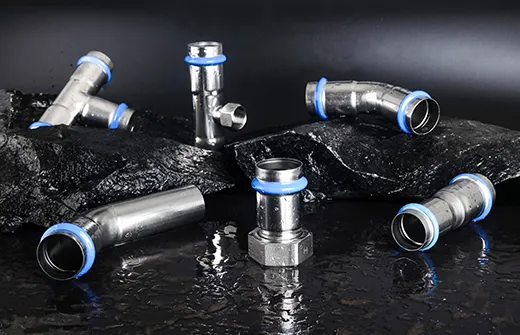
Exploring the Versatility of Street Obtuse Elbow in Modern Design
Jan 17,2026
Exploring the Versatility of Street Obtuse Elbow in Modern Design
Table of Contents
- 1. What is a Street Obtuse Elbow?
- 2. Importance of Street Obtuse Elbow in Modern Design
- 3. Key Applications of Street Obtuse Elbow in Construction
- 4. Design Advantages of Using Street Obtuse Elbow
- 5. Material Quality and Durability
- 6. Installation Techniques for Street Obtuse Elbow
- 7. Design Inspiration: Incorporating Street Obtuse Elbow
- 8. Future Trends in the Use of Street Obtuse Elbow
- 9. Frequently Asked Questions
- 10. Conclusion
1. What is a Street Obtuse Elbow?
Street Obtuse Elbow refers to a specific type of pipe fitting that creates a gradual turn in piping systems, typically at an angle greater than 90 degrees. This component is essential in plumbing and HVAC systems, allowing for efficient fluid and air movement while minimizing turbulence. The unique angle of the obtuse elbow facilitates smoother transitions, making it an optimal choice in both functional and aesthetic applications within architecture and design.
2. Importance of Street Obtuse Elbow in Modern Design
The Street Obtuse Elbow plays a crucial role in modern design by merging functionality with style. Its versatility makes it ideal not only for traditional plumbing uses but also for creative architectural applications. Designers appreciate its ability to enhance space, create dynamic lines, and integrate seamlessly into various environments. As urban landscapes evolve, the obtuse elbow's significance becomes even more pronounced, offering solutions that align with contemporary design principles.
3. Key Applications of Street Obtuse Elbow in Construction
Street Obtuse Elbows find applications in various sectors, including:
Residential Construction
In residential buildings, these fittings are used in plumbing systems to navigate around structural elements such as walls and rafters. They facilitate water flow without compromising pressure, making them essential for efficient home plumbing.
Commercial Buildings
In commercial settings, Street Obtuse Elbows are often utilized in HVAC systems to create versatile duct configurations. This flexibility allows for effective air distribution, maintaining comfort in expansive office spaces.
Infrastructure Projects
Urban infrastructure projects leverage the obtuse elbow in drainage and sewage systems. Its design helps in redirecting flow efficiently while minimizing the risk of blockages.
Artistic Installations
Beyond functional uses, the obtuse elbow has emerged as a popular choice in artistic expressions. Designers use them in sculptures and installations, utilizing their curves to create visually striking pieces.
4. Design Advantages of Using Street Obtuse Elbow
The design advantages of incorporating Street Obtuse Elbows in modern architecture are vast:
Sleek Aesthetics
The smooth curves of the obtuse elbow provide a modern and refined look, making it a favorite among designers aiming for sleek, contemporary aesthetics.
Space Optimization
By utilizing obtuse elbows, designers can optimize space without sacrificing functionality. Their ability to redirect flows in tight spots is invaluable in urban design where space is often limited.
Improved Flow Dynamics
The gradual transition provided by the obtuse elbow minimizes turbulence, ensuring that fluid dynamics remain efficient, whether in plumbing or air flow applications.
5. Material Quality and Durability
The choice of materials for Street Obtuse Elbows typically includes stainless steel, PVC, and copper. Each material has distinct advantages:
Stainless Steel
Renowned for its durability and resistance to corrosion, stainless steel is an excellent choice for applications where longevity is paramount. It also aligns with modern design trends that favor industrial aesthetics.
PVC
PVC is lightweight, cost-effective, and easy to install, making it a popular choice for residential applications. Its resistance to chemicals and moisture adds to its appeal.
Copper
Copper offers excellent thermal conductivity and has antimicrobial properties, making it ideal for plumbing applications. Its warm tones can also add a stylish element to visible installations.
6. Installation Techniques for Street Obtuse Elbow
Proper installation of Street Obtuse Elbows is critical for performance and longevity. Here are some techniques to ensure effective installation:
Planning and Layout
Before installation, careful planning is essential. This includes measuring distances accurately and considering the best angles for flow.
Tools Required
Having the right tools on hand—including wrenches, pipe cutters, and measuring tapes—ensures a smooth installation process.
Sealing and Jointing
Proper sealing of joints is crucial to prevent leaks. Utilizing suitable adhesives or welding techniques based on the material type will enhance durability.
7. Design Inspiration: Incorporating Street Obtuse Elbow
Designers can draw inspiration from the versatility of Street Obtuse Elbow in various creative projects:
Interior Design Elements
Incorporating obtuse elbows into light fixtures, furniture frames, or even wall art can add a unique dimension to interior spaces.
Outdoor Structures
In outdoor settings, these fittings can be utilized in landscaping features, garden sculptures, or even in the design of outdoor seating areas.
8. Future Trends in the Use of Street Obtuse Elbow
As design preferences evolve, the use of Street Obtuse Elbow is likely to expand in the following ways:
Eco-Friendly Materials
An increasing focus on sustainability is prompting designers to explore eco-friendly materials for construction, which may lead to innovation in how obtuse elbows are manufactured and utilized.
Smart Design Integration
The integration of smart technology into building designs may see Street Obtuse Elbows being used in more complex systems that optimize energy efficiency.
Custom Designs
With advancements in manufacturing technology, custom-designed elbows that cater to specific aesthetic or functional needs will likely gain popularity.
9. Frequently Asked Questions
What materials are Street Obtuse Elbows made from?
Street Obtuse Elbows are commonly made from stainless steel, PVC, and copper, each offering unique advantages for various applications.
What are the benefits of using a Street Obtuse Elbow over a standard elbow?
The primary benefit is improved flow dynamics. The gradual curve of the obtuse elbow minimizes turbulence and allows for smoother transitions, enhancing system efficiency.
How do I choose the right size of Street Obtuse Elbow for my project?
Choosing the right size involves measuring the diameter of the pipes in your system and considering the flow requirements of your project.
Can Street Obtuse Elbows be used in outdoor applications?
Yes, Street Obtuse Elbows can be used in outdoor applications, especially in drainage systems, landscaping features, and more, as long as the material is weather-resistant.
Are there any design limitations when using Street Obtuse Elbows?
While there are very few limitations, careful planning is required to ensure that the angles and dimensions suit the overall design and functional requirements of the project.
10. Conclusion
The Street Obtuse Elbow is a remarkable tool in modern design, offering a blend of practicality and artistic potential. Its unique shape and functionality make it invaluable across various sectors, including residential, commercial, and artistic applications. As we continue to explore innovative materials and techniques, the future of the Street Obtuse Elbow in design looks promising, paving the way for more sustainable and aesthetically pleasing solutions. Embracing its versatility can enrich our architectural landscapes and make each project a possibility for creative expression.
Latest News


Contact Information
Mobile/WeChat: +8613396691363
WhatsApp: +8613396691363
E-mail: warrior.wang@zjipcpiping.com
Address:Floor 47, Building A, International Trade Center, Ningbo Chamber of Commerce, No.558 of Taikangzhong Road, Yinzhou District, Ningbo, 315100 China
Follow Us on


SAF Coolest v1.3.1.1 设置面板 JPMSX-AVEW-UZZVE-ZSA
违禁词: 第一,最,一流,领先,独一无二,王者,龙头,领导者,极致,
无数据提示
Sorry, the current column is being updated, please stay tuned!
You can view other columns or return to the HOME