
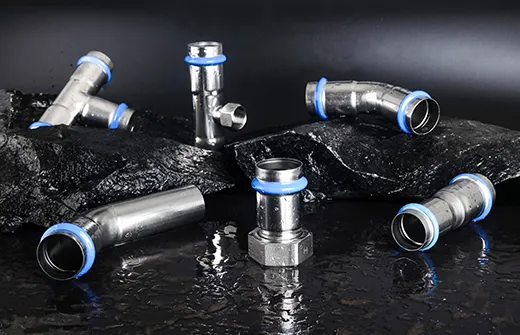
Exploring Different Applications of 90º Street Bend in Architectural Design
Jan 11,2026
Exploring Different Applications of 90º Street Bend in Architectural Design
Table of Contents
- 1. Introduction to 90º Street Bends
- 2. Understanding Architectural Design and Its Components
- 3. The Role of Stainless Steel Pipes in Modern Architecture
- 4. Applications of 90º Street Bends in Architectural Design
- 4.1 Structural Support in Buildings
- 4.2 Aesthetic Enhancements and Design Flexibility
- 4.3 Plumbing and Ventilation Systems
- 4.4 Landscape Architecture and Outdoor Spaces
- 5. Key Design Considerations When Using 90º Street Bends
- 6. Case Studies: Successful Implementations
- 7. Future Trends in Architectural Design with 90º Street Bends
- 8. FAQs about 90º Street Bends in Architecture
- 9. Conclusion
1. Introduction to 90º Street Bends
The architectural landscape is continually evolving, with designers and architects seeking innovative solutions that combine functionality with aesthetic appeal. One such innovation is the **90º street bend**, a critical element in various architectural applications. This article aims to explore the versatility of 90º street bends, particularly in the context of architectural design using **stainless steel pipes**. By understanding their various applications, we can appreciate their impact on modern structures.
2. Understanding Architectural Design and Its Components
Architectural design encompasses the process of planning and creating buildings and other structures. It integrates both artistic and technical skills, balancing form, function, and aesthetics. Various components, including materials, structural integrity, and environmental considerations, contribute to successful architectural design.
Architects often utilize materials that offer durability, flexibility, and visual interest. **Stainless steel**, with its resistance to corrosion and strength, has become increasingly popular in modern construction. Within this context, **90º street bends** serve as a crucial design element, providing essential functions while enhancing the overall aesthetic.
3. The Role of Stainless Steel Pipes in Modern Architecture
Stainless steel pipes have revolutionized the construction industry due to their remarkable properties. They offer high tensile strength, resistance to oxidation, and an attractive appearance. These features make stainless steel an ideal choice for various architectural applications, including:
- **Support Structures**: Providing stability and strength to buildings.
- **Aesthetic Elements**: Enhancing visual appeal through sleek designs.
- **Functional Components**: Serving essential roles in plumbing, heating, and ventilation.
Incorporating 90º street bends within these pipes allows for seamless transitions and efficient routing, making them indispensable in architectural design.
4. Applications of 90º Street Bends in Architectural Design
90º street bends find utility across various architectural applications, enriching both structural integrity and aesthetic value. Here, we explore several prominent applications:
4.1 Structural Support in Buildings
One of the primary uses of 90º street bends is in providing structural support. These bends allow for the efficient redirection of loads, ensuring stability and safety. By integrating 90º bends into the framework of a building, architects can create robust and resilient structures capable of withstanding various stresses.
4.2 Aesthetic Enhancements and Design Flexibility
Beyond their functional role, 90º street bends contribute to the visual language of a structure. They can be incorporated into architectural designs to create **dynamic shapes** and **flowing lines**. The sleek and polished look of stainless steel pipes, especially when combined with 90º bends, adds a touch of modern elegance to any design project.
Architects can experiment with various placements and orientations of these bends, allowing for creative freedom while maintaining structural integrity. This design flexibility is one of the reasons why 90º street bends are favored in contemporary architecture.
4.3 Plumbing and Ventilation Systems
In plumbing and HVAC (heating, ventilation, and air conditioning) systems, 90º street bends are indispensable. They facilitate smooth transitions within piping systems, ensuring that water and air flow efficiently through various channels. This is particularly critical in urban settings where space is limited, and effective routing is essential.
Using stainless steel pipes with 90º bends ensures that these systems are not only efficient but also durable. This durability minimizes maintenance needs and extends the lifespan of the plumbing and ventilation systems.
4.4 Landscape Architecture and Outdoor Spaces
In landscape architecture, 90º street bends find unique applications. They are utilized in features such as:
- **Garden pathways**: Creating elegant and functional walkways.
- **Water features**: Designing ponds and fountains that require precise water flow.
- **Outdoor structures**: Supporting pergolas and trellises.
By integrating 90º street bends into landscape designs, architects can achieve a harmonious balance between nature and constructed environments.
5. Key Design Considerations When Using 90º Street Bends
When incorporating 90º street bends into architectural designs, several key considerations must be taken into account:
1. **Load Analysis**: Understanding how the bends will affect load distribution is crucial for structural integrity.
2. **Material Selection**: Choosing the right type of stainless steel based on environmental factors is essential for longevity.
3. **Aesthetic Integration**: Ensuring that bends harmonize with the overall design vision enhances visual appeal.
4. **Regulatory Compliance**: Adhering to building codes and regulations is vital for safety and sustainability.
5. **Maintenance**: Considering the ease of maintenance can influence material and design choices.
These considerations ensure that the use of 90º street bends contributes positively to the overall architectural design.
6. Case Studies: Successful Implementations
Examining real-world examples can highlight the successful application of 90º street bends in architectural design. Here are a few notable case studies:
- **The High Line, New York City**: This elevated linear park showcases the innovative use of 90º bends in supporting various structural elements while creating a seamless flow throughout the park.
- **Sydney Opera House**: The iconic curves of the opera house incorporate 90º bends in its infrastructure, demonstrating how functionality and aesthetics can align to create a landmark building.
- **Burj Khalifa, Dubai**: The world's tallest building employs 90º street bends in its design, ensuring stability and support for its unprecedented height.
These case studies illustrate the versatility and importance of 90º street bends in achieving architectural excellence.
7. Future Trends in Architectural Design with 90º Street Bends
As architectural design continues to evolve, we can expect to see innovative applications of 90º street bends. Emerging trends include:
- **Sustainable Designs**: Integrating eco-friendly materials and energy-efficient systems while utilizing 90º bends to enhance performance.
- **Smart Architecture**: Using technology to integrate bends into intelligent building systems that can adapt to changing conditions.
- **Customized Solutions**: Advances in manufacturing processes may allow for bespoke 90º street bends that cater to specific architectural needs.
These trends promise to further elevate the role of 90º street bends in modern architecture.
8. FAQs about 90º Street Bends in Architecture
What is a 90º street bend?
A 90º street bend is a pipe fitting that allows for a change in direction at a right angle, commonly used in plumbing and structural applications.
Why are stainless steel pipes preferred in architectural design?
Stainless steel pipes are highly durable, resistant to corrosion, and possess an aesthetic appeal, making them ideal for various architectural applications.
How do 90º street bends affect structural integrity?
90º street bends play a crucial role in load distribution, ensuring that structural integrity is maintained while allowing for efficient routing of pipes.
Can 90º street bends be used outdoors?
Yes, 90º street bends can be effectively used in outdoor structures and landscape architecture, particularly when made from corrosion-resistant materials like stainless steel.
What are the key design considerations when using 90º street bends?
Design considerations include load analysis, material selection, aesthetic integration, regulatory compliance, and maintenance needs.
9. Conclusion
90º street bends are integral to contemporary architectural design, offering both functional and aesthetic benefits. As we have explored, their applications span from structural support to enhancing outdoor spaces, making them versatile components in modern construction. By leveraging the advantages of stainless steel and understanding the implications of their use, architects can create innovative designs that not only meet practical needs but also inspire and captivate. Embracing the future of architectural design with 90º street bends will undoubtedly lead to new possibilities and advancements in the built environment.
Latest News


Contact Information
Mobile/WeChat: +8613396691363
WhatsApp: +8613396691363
E-mail: warrior.wang@zjipcpiping.com
Address:Floor 47, Building A, International Trade Center, Ningbo Chamber of Commerce, No.558 of Taikangzhong Road, Yinzhou District, Ningbo, 315100 China
Follow Us on


SAF Coolest v1.3.1.1 设置面板 JPMSX-AVEW-UZZVE-ZSA
违禁词: 第一,最,一流,领先,独一无二,王者,龙头,领导者,极致,
无数据提示
Sorry, the current column is being updated, please stay tuned!
You can view other columns or return to the HOME