
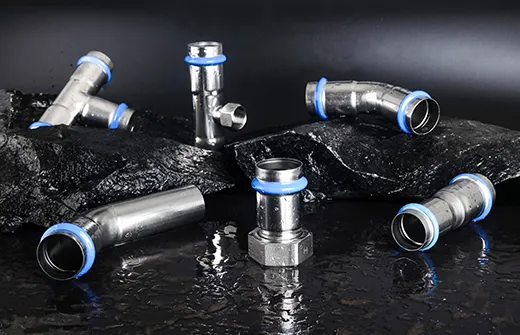
The Versatility of 90º Bend With Female Thread in Architectural Design
Dec 23,2025
The Versatility of 90º Bend With Female Thread in Architectural Design
Table of Contents
- 1. Introduction to 90º Bends in Architecture
- 2. Understanding Female Thread Connections
- 3. Material Options for 90º Bends
- 4. Advantages of Using 90º Bends in Design
- 5. Applications of 90º Bends in Architectural Design
- 6. Installation Techniques for 90º Bends
- 7. Maintenance and Care for 90º Bends
- 8. Future Trends in Architectural Materials
- 9. Frequently Asked Questions
- 10. Conclusion
1. Introduction to 90º Bends in Architecture
In the world of architectural design, functionality and aesthetics go hand in hand. Among the myriad components that contribute to the structural and visual appeal of a building, the **90º bend with female thread** stands out for its versatility. This component is not merely a practical necessity; it is a fundamental building block that enhances the overall integrity and functionality of architectural structures.
The **90º bend**, which allows for a change in direction of pipes and tubes, is instrumental in various applications, primarily in plumbing, electrical installations, and frame construction. The female thread adds an additional layer of practicality, enabling secure connections with male-threaded components. This article explores the multifaceted nature of the 90º bend with female thread and its significance in architectural design.
2. Understanding Female Thread Connections
Before delving into the applications and benefits of **90º bends**, it is essential to understand the mechanics of female thread connections. A **female thread** is an internal thread that allows for the insertion of a male-threaded component. This design is crucial for ensuring a strong, leak-free connection in plumbing and structural applications.
The use of female threads in conjunction with **90º bends** facilitates easy installation and removal, making maintenance and repair significantly more manageable. Moreover, this feature allows for flexibility in architectural design, enabling architects and engineers to create innovative solutions while adhering to structural integrity standards.
3. Material Options for 90º Bends
The versatility of **90º bends** is largely attributed to the variety of materials from which they can be made. Each material offers unique benefits, catering to different architectural needs:
Stainless Steel
Stainless steel is a popular choice due to its strength, durability, and resistance to corrosion. This material is ideal for both indoor and outdoor applications, ensuring longevity and minimal maintenance.
Brass
Brass is another excellent option, known for its aesthetic appeal and resistance to tarnishing. It is often used in decorative applications where visual impact is crucial.
PVC
For projects with budget constraints, **PVC bends** provide a lightweight and cost-effective solution. While less durable than metal options, PVC is suitable for non-structural applications, particularly in plumbing.
Aluminum
Aluminum is favored for its lightweight properties and resistance to oxidation. This material is especially beneficial in designs that require easy handling and assembly.
4. Advantages of Using 90º Bends in Design
Integrating **90º bends with female threads** into architectural designs presents numerous advantages:
Enhanced Structural Integrity
The secure connection offered by female threads ensures that bends maintain their position, contributing to the overall structural integrity of the design. This is particularly vital in load-bearing applications.
Improved Aesthetics
The seamless integration of **90º bends** allows architects to create visually appealing designs without compromising functionality. The smooth transitions facilitated by these bends can enhance the overall look of a building.
Space Optimization
In tight spaces, **90º bends** enable efficient routing of pipes and wiring, ensuring that architectural designs make the best use of available space. This feature is crucial in urban environments where space is a premium.
Cost Efficiency
By utilizing **90º bends**, architects and engineers can reduce material wastage and simplify installation processes, leading to overall cost savings in construction projects.
5. Applications of 90º Bends in Architectural Design
The applications of **90º bends with female threads** extend across various sectors of architectural design, showcasing their versatility:
Plumbing Systems
In plumbing systems, **90º bends** are essential for redirecting water flow while maintaining pressure. The female thread connection allows for easy attachment of pipes, making installation and repairs straightforward.
Electrical Wiring
In electrical installations, **90º bends** facilitate the safe routing of wiring around obstacles. The secure connection provided by female threads minimizes the risk of accidental disconnections.
Framing and Structural Support
In construction, **90º bends** play a vital role in creating structural frames. They provide necessary angles for support beams, ensuring that structures can withstand various loads.
HVAC Systems
Heating, ventilation, and air conditioning (HVAC) systems often utilize **90º bends** to optimize airflow and maintain efficiency. The flexibility of female thread connections simplifies the assembly of ductwork.
Furniture Design
Innovative furniture designs often incorporate **90º bends** for unique shapes and configurations. This application demonstrates how architectural components can cross over into interior design, enhancing both functionality and aesthetics.
6. Installation Techniques for 90º Bends
Proper installation of **90º bends with female threads** is crucial for ensuring their effectiveness and longevity. Here are some best practices:
Preparation
Before installation, ensure all surfaces are clean and free from debris. This step will facilitate a secure connection and prevent potential leaks.
Alignment
Align the **90º bend** accurately with the corresponding male-threaded component. Misalignment can lead to stress and potential breakage.
Hand Tightening
Begin by hand-tightening the connection to ensure it is properly seated. Avoid over-tightening at this stage to prevent damaging the threads.
Use of Tools
Once hand-tightened, use an appropriate wrench to secure the connection. Ensure that you apply even pressure to avoid damaging the components.
Testing
After installation, conduct a pressure test to ensure there are no leaks. Regular monitoring can help maintain the integrity of the installation over time.
7. Maintenance and Care for 90º Bends
To prolong the lifespan of **90º bends with female threads**, regular maintenance is essential:
Regular Inspections
Routine inspections can identify any signs of wear or corrosion. Early detection can prevent significant issues down the line.
Cleaning
Keep the bends clean from debris and buildup. Depending on the material, appropriate cleaning agents should be used to avoid damage.
Lubrication
For metal bends, consider applying a lubricant to the threads to prevent seizing and facilitate easy disassembly during repairs.
Prompt Repairs
Address any leaks or signs of damage immediately. Delaying repairs can lead to more extensive damage and costly replacements.
8. Future Trends in Architectural Materials
As architectural design continues to evolve, the materials used for **90º bends** and other components are also advancing. The future may see:
Smart Materials
The development of smart materials that can respond to environmental changes could lead to new applications for **90º bends**, enhancing functionality and energy efficiency.
Eco-Friendly Options
Sustainability is becoming a significant trend in architecture. Future designs may incorporate eco-friendly materials that reduce environmental impact while maintaining performance.
Advanced Manufacturing Techniques
3D printing and other advanced manufacturing techniques may revolutionize the production of **90º bends**, allowing for custom designs that meet specific project needs.
9. Frequently Asked Questions
What materials are best for 90º bends?
The best materials for **90º bends** include stainless steel for durability, brass for aesthetics, PVC for budget-friendly projects, and aluminum for lightweight applications.
How do I install a 90º bend?
Installation involves preparing the components, aligning them correctly, hand-tightening, using a wrench for secure fitting, and conducting a pressure test to ensure no leaks.
What are the benefits of using female threads?
Female threads provide a secure and leak-free connection, allow for easy installation and removal, and offer flexibility in design.
Can 90º bends be used in outdoor applications?
Yes, depending on the material. Stainless steel and brass are particularly well-suited for outdoor applications due to their resistance to corrosion.
How can I maintain 90º bends?
Regular inspections, cleaning, lubrication, and prompt repairs are essential to maintain the integrity and longevity of **90º bends**.
10. Conclusion
The **90º bend with female thread** is an indispensable component in architectural design, offering a unique blend of functionality and aesthetic appeal. Its versatility allows for a wide range of applications, from plumbing and electrical systems to structural support and innovative furniture designs. By understanding the materials, installation techniques, and maintenance required, architects and designers can leverage the benefits of this crucial element in their projects. As architectural practices continue to evolve, the future holds exciting possibilities for **90º bends**, paving the way for sustainable, smart, and efficient designs.
Latest News


Contact Information
Mobile/WeChat: +8613396691363
WhatsApp: +8613396691363
E-mail: warrior.wang@zjipcpiping.com
Address:Floor 47, Building A, International Trade Center, Ningbo Chamber of Commerce, No.558 of Taikangzhong Road, Yinzhou District, Ningbo, 315100 China
Follow Us on


SAF Coolest v1.3.1.1 设置面板 JPMSX-AVEW-UZZVE-ZSA
违禁词: 第一,最,一流,领先,独一无二,王者,龙头,领导者,极致,
无数据提示
Sorry, the current column is being updated, please stay tuned!
You can view other columns or return to the HOME