
Understanding Street Obtuse Elbows: Essential Components in Construction and Decoration
Jul 01,2025
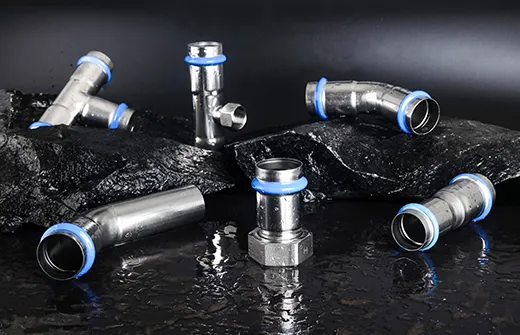
Street obtuse elbows are specialized fittings used in piping systems to create a change in direction, typically at an angle greater than 90 degrees. Unlike standard elbows that form a right angle, street obtuse elbows are designed to accommodate smoother transitions. This is particularly useful in situations where space is limited, or where a less abrupt turn is required to facilitate fluid movement or aesthetic appeal in architectural designs.
In construction and plumbing, the use of street obtuse elbows is crucial for managing how liquids and gases flow through a system. They help reduce turbulence and pressure loss, which can be significant in systems that transport fluids over long distances. By allowing for gradual angles, they enable a more efficient flow, minimizing wear and tear on the pipes and enhancing the overall lifespan of the system.
One of the key advantages of using stainless steel street obtuse elbows is their durability and resistance to corrosion. Stainless steel is known for its strength and longevity, making it an ideal choice in environments where exposure to moisture and chemicals is commonplace. This durability ensures that the elbows maintain their structural integrity over time, even under challenging conditions.
Moreover, street obtuse elbows can significantly contribute to the aesthetic quality of a building project. In decorative applications, these fittings can be employed in visible piping systems, enhancing the overall design while maintaining functionality. Whether used in modern architecture or classic designs, the sleek appearance of stainless steel can complement a wide range of styles.
When selecting a street obtuse elbow for your project, several factors should be considered, including the diameter of the pipe, the angle of the bend, and the specific requirements of the installation environment. Ensuring that the elbow is compatible with the rest of the piping system is essential for optimal performance.
In summary, street obtuse elbows are vital components in the construction and decorative materials industry, particularly within stainless steel piping applications. Their ability to facilitate smoother transitions, durability against corrosion, and aesthetic appeal make them indispensable in various projects. Understanding their function and benefits can help builders, designers, and homeowners make informed decisions when planning their piping systems.
In construction and plumbing, the use of street obtuse elbows is crucial for managing how liquids and gases flow through a system. They help reduce turbulence and pressure loss, which can be significant in systems that transport fluids over long distances. By allowing for gradual angles, they enable a more efficient flow, minimizing wear and tear on the pipes and enhancing the overall lifespan of the system.
One of the key advantages of using stainless steel street obtuse elbows is their durability and resistance to corrosion. Stainless steel is known for its strength and longevity, making it an ideal choice in environments where exposure to moisture and chemicals is commonplace. This durability ensures that the elbows maintain their structural integrity over time, even under challenging conditions.
Moreover, street obtuse elbows can significantly contribute to the aesthetic quality of a building project. In decorative applications, these fittings can be employed in visible piping systems, enhancing the overall design while maintaining functionality. Whether used in modern architecture or classic designs, the sleek appearance of stainless steel can complement a wide range of styles.
When selecting a street obtuse elbow for your project, several factors should be considered, including the diameter of the pipe, the angle of the bend, and the specific requirements of the installation environment. Ensuring that the elbow is compatible with the rest of the piping system is essential for optimal performance.
In summary, street obtuse elbows are vital components in the construction and decorative materials industry, particularly within stainless steel piping applications. Their ability to facilitate smoother transitions, durability against corrosion, and aesthetic appeal make them indispensable in various projects. Understanding their function and benefits can help builders, designers, and homeowners make informed decisions when planning their piping systems.
Latest News


Contact Information
Mobile/WeChat: +8613396691363
WhatsApp: +8613396691363
E-mail: warrior.wang@zjipcpiping.com
Address:Floor 47, Building A, International Trade Center, Ningbo Chamber of Commerce, No.558 of Taikangzhong Road, Yinzhou District, Ningbo, 315100 China
Follow Us on


SAF Coolest v1.3.1.1 设置面板 JPMSX-AVEW-UZZVE-ZSA
违禁词: 第一,最,一流,领先,独一无二,王者,龙头,领导者,极致,
无数据提示
Sorry, the current column is being updated, please stay tuned!
You can view other columns or return to the HOME